
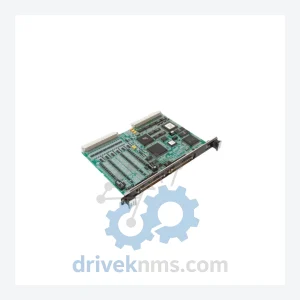
GE IS200TRLYH1BHH Terminal Board – Obsolete Mark VI Spare Part
GE Fanuc lS200TRLYH1BHH is listed for Mark VI RFQ review. Confirm quantity, condition and destination before quotation.
RFQ-ready industrial model
Model: IS200TTURH1BED
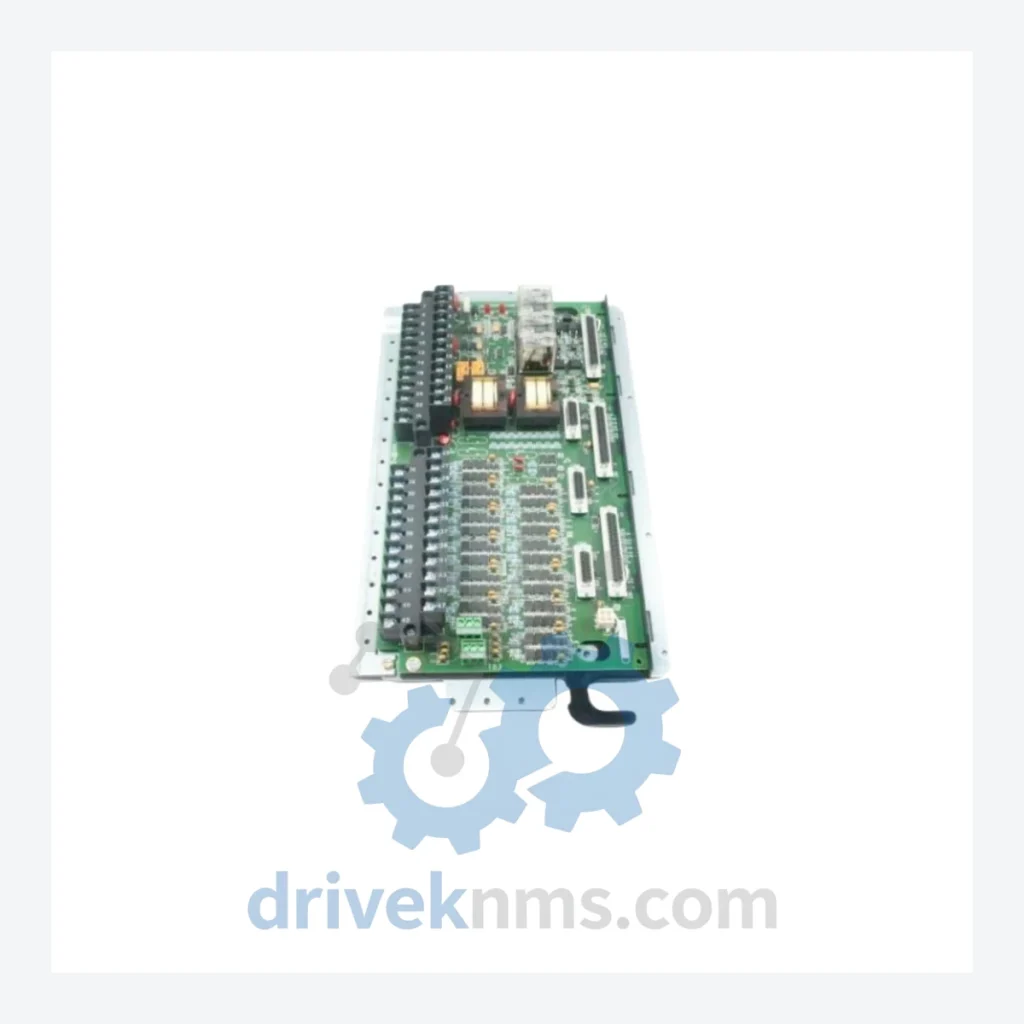
Product Overview
Commercial availability is handled through direct RFQ, model verification and export-oriented follow-up rather than public cart checkout.
Datasheet Preview
Use attached product manuals when available. If the manual is not public yet, request the full file directly through RFQ.
Commercial Path
Product pages on DRIVEKNMS are designed to verify model, brand and series first, then move the buyer into one clean quotation path.
Technical Dossier
When a termination board fails inside a GE Mark VI turbine control system, the clock starts immediately. A full system migration to a modern DCS platform — engineering, commissioning, retraining, and lost production — routinely exceeds $2,000,000 USD for a single gas turbine train. The IS200TTURH1BED is not a commodity item you source from a distributor shelf. GE discontinued this board as part of the broader Mark VI end-of-life cycle, and the secondary market supply is finite. DriveKNMS maintains RFQ-reviewed sourcing status. Once it is gone, it is gone.
RFQ support for obsolete parts: Send the model number, required quantity and destination so DriveKNMS can confirm sourcing options before quotation.
| Parameter | Detail |
|---|---|
| Part Number | IS200TTURH1BED |
| Manufacturer | GE (General Electric) |
| Series | Mark VI Turbine Control System |
| Board Type | Termination Board |
| Country of Origin | United States |
| Lifecycle Status | Discontinued / Obsolete |
| Compatible Systems | GE Mark VI, Mark VIe (legacy configurations) |
| Condition Available | New surplus / Tested refurbished |
Note: Electrical parameters such as voltage ratings and I/O channel counts are board-configuration-dependent. Confirmed specifications are provided upon request with supporting documentation.
The GE Mark VI platform was the backbone of gas turbine, steam turbine, and combined-cycle plant control for over two decades. Thousands of units remain in active service globally, yet GE's official support and parts supply for Mark VI has been progressively wound down. The IS200TTURH1BED termination board sits at the physical interface between field wiring and the control electronics — it is the point where sensor signals, actuator commands, and protective relay circuits terminate. There is no generic substitute. The connector pinout, board form factor, and firmware handshake are specific to the Mark VI architecture.
Plant managers facing a failed IS200TTURH1BED have three realistic options: source a verified replacement board, execute an emergency system upgrade, or shut down the unit. The upgrade path, even under the most favorable contract terms, requires a minimum of 6–18 months of engineering work and carries substantial operational risk during cutover. A verified spare board, by contrast, restores the unit to service within hours. The economic case for maintaining a strategic spare inventory is not theoretical — it is the difference between a maintenance event and a capital project.
For plant management teams operating under capital expenditure constraints, a structured spare parts strategy is the most cost-effective mechanism to defer a Mark VI system retirement. The following approach has been applied successfully across multiple industrial sites:
Q: How are RFQ terms confirmed?
A: Quantity, required condition, documentation needs, destination and sourcing route are confirmed during RFQ review before quotation.
3. Condition-based monitoring: Implement periodic visual inspection of termination boards for early signs of connector oxidation, PCB discoloration, or capacitor bulging. These are leading indicators of imminent failure, not lagging ones.
4. Firmware version control: Before installing any replacement board, verify firmware compatibility with the existing Mark VI controller revision. Mismatched firmware versions have caused protection system faults during commissioning. DriveKNMS provides firmware version documentation with each unit where available.
5. Procurement timing: Secondary market availability of obsolete GE Mark VI boards is declining at an accelerating rate as operating plants are decommissioned and cannibalised for parts. Procurement decisions made today carry significantly lower cost and risk than the same decisions made under emergency conditions 18 months from now.
A disciplined spare parts program for a Mark VI system can realistically extend the operational life of the control platform by 5 to 10 years, deferring a capital replacement project that would otherwise consume resources needed elsewhere in the facility.
DriveKNMS applies a 5-step quality process to all obsolete and legacy boards before dispatch review:
Step 1 – Visual and mechanical inspection: Full board examination for physical damage, burnt components, cracked solder joints, and connector pin integrity. Boards with evidence of field abuse or improper removal are rejected at this stage.
Step 2 – Electrolytic capacitor assessment: Capacitor aging is the primary failure mode in boards manufactured in the 1990s and 2000s. Each unit is inspected for capacitor bulging, leakage, and ESR deviation. Where warranted, capacitors are replaced with specification-matched components.
Step 4 – Connector and pin corrosion check: All edge connectors and I/O pins are inspected under magnification for oxidation and corrosion. Affected contacts are cleaned using approved methods. Severely corroded connectors are cause for rejection.
This characteristic is the core economic argument for sourcing a verified spare rather than pursuing a system upgrade. An upgrade requires months of engineering, a new I/O mapping exercise, updated HMI graphics, revised cause-and-effect documentation, and a full functional acceptance test. A board replacement requires none of that. The control logic, tuning parameters, and protection setpoints remain intact.
Q: Should I buy more than one unit as a long-term reserve?
A: For facilities with a single Mark VI train, one spare unit is the minimum defensible position. For multi-train facilities or sites where the Mark VI system is expected to remain in service for more than five years, holding two units is a reasonable risk mitigation measure. Secondary market availability will continue to tighten as the installed base ages.
Q: Can you confirm firmware compatibility with my specific Mark VI revision before I order?
A: Yes. Provide your Mark VI controller revision and application software version, and DriveKNMS will confirm compatibility before dispatch review.
Continue The Model Path
Move from this exact model into the matching system hub, brand archive, model-family archive or lifecycle sourcing route before sending a final RFQ list.
Related Paths
GE Fanuc lS200TRLYH1BHH is listed for Mark VI RFQ review. Confirm quantity, condition and destination before quotation.
General Electric IS200EMIOH1AFB is listed for Mark VI RFQ review. Confirm quantity, condition and destination before quotation.
General Electric IS200VSVOH1BEF is listed for Mark VI RFQ review. Confirm quantity, condition and destination before quotation.