
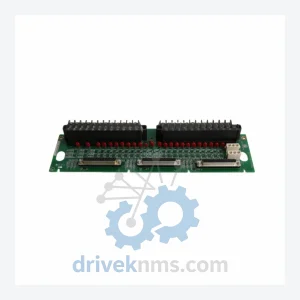
GE Fanuc IS200TBCIS2CCD I/O Terminal Board – Mark VI Redundant Control System
GE Fanuc IS200TBCIS2CCD is listed for Mark VI RFQ review. Confirm quantity, condition and destination before quotation.
RFQ-ready industrial model
Model: IS200TVIBH2BBB IS200TVIBH2B
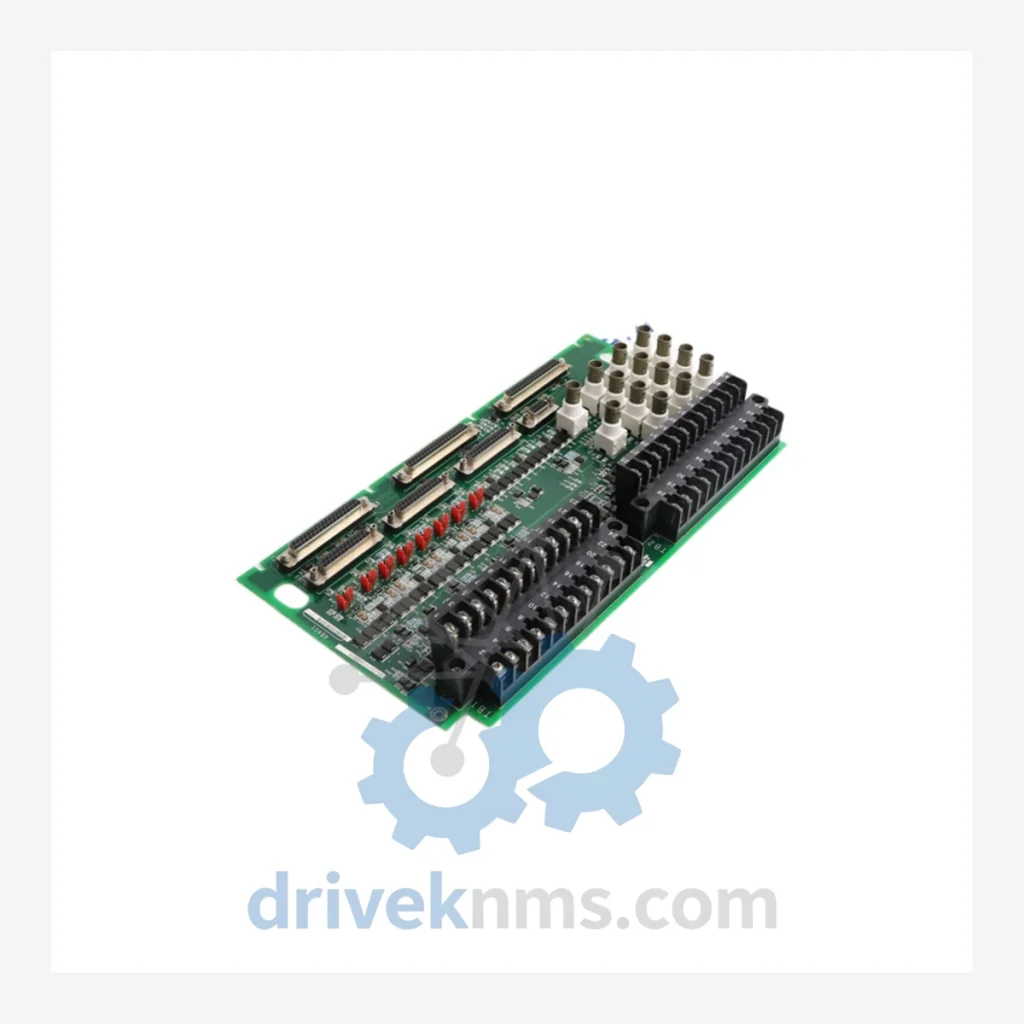
Product Overview
Commercial availability is handled through direct RFQ, model verification and export-oriented follow-up rather than public cart checkout.
Datasheet Preview
Use attached product manuals when available. If the manual is not public yet, request the full file directly through RFQ.
Commercial Path
Product pages on DRIVEKNMS are designed to verify model, brand and series first, then move the buyer into one clean quotation path.
Technical Dossier
The GE Mark VI Turbine Control System is one of the most widely deployed distributed control platforms in global heavy industry. Installed across gas turbine power plants, combined-cycle facilities, petrochemical refineries, nuclear auxiliary systems, and offshore platforms, the Mark VI architecture has served as the backbone of turbine protection and sequencing logic since its commercial introduction in the mid-1990s. Its modular I/O design, redundant backplane communication, and deterministic real-time processing made it the successor to the Mark V and the predecessor to the Mark VIe. Tens of thousands of units remain in active service worldwide, making long-term spare parts availability a critical operational concern for plant engineers and maintenance managers.
The Mark VI was introduced by GE Energy (now GE Vernova) as a VME-bus-based control platform designed for high-reliability turbine applications. Its architecture centers on the VCMI (VME Communication Module Interface) backplane, which interconnects processor boards, I/O termination boards, and power supply modules within a single rack. Early revisions (Rev A/B) established the core I/O mapping and redundancy model. Subsequent hardware revisions introduced improved ASIC-based signal conditioning, expanded vibration monitoring channels, and enhanced EMI shielding on termination boards.
The Mark VI operates on a deterministic IONet (I/O Network) protocol, distinguishing it from later Ethernet-based architectures used in the Mark VIe. This makes Mark VI hardware non-interchangeable with Mark VIe modules at the board level, a critical compatibility constraint for maintenance planning. As the Mark VI has entered its mature/end-of-life phase, GE has formally discontinued new production of most module variants. Plants operating Mark VI systems must now rely on certified aftermarket suppliers and refurbished inventory for corrective and preventive maintenance.
The following SKUs represent verified, commonly stocked modules within the GE Mark VI ecosystem, organized by functional category. Each entry reflects a real hardware variant documented in GE Mark VI technical manuals and field service records.
Vibration & Termination Boards
Analog I/O Modules
Digital I/O Modules
Processor & Controller Boards
Communication & Network Modules
Power Supply Modules
GE has formally ended new production of the majority of Mark VI hardware, including the IS200TVIBH2BBB termination board. For plants committed to operating Mark VI systems through extended maintenance cycles, DriveKNMS maintains a dedicated inventory of tested, refurbished, and new-surplus Mark VI modules sourced from decommissioned units, OEM overstock, and certified third-party refurbishers.
All Mark VI modules processed by DriveKNMS undergo a structured inspection and functional test protocol prior to dispatch. For termination boards such as the IS200TVIBH2BBB, the test procedure includes:
VME-bus communication modules and IONet interface cards undergo additional protocol-level testing using a dedicated Mark VI rack test bench to verify correct backplane arbitration and data frame integrity.
Continue The Model Path
Move from this exact model into the matching system hub, brand archive, model-family archive or lifecycle sourcing route before sending a final RFQ list.
Related Paths
GE Fanuc IS200TBCIS2CCD is listed for Mark VI RFQ review. Confirm quantity, condition and destination before quotation.
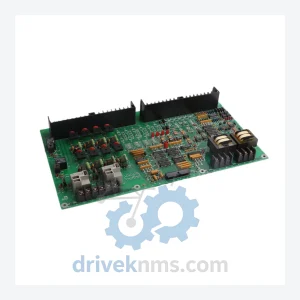
General Electric DS200DDTBG2ABB is listed for Mark VI RFQ review. Confirm quantity, condition and destination before quotation.
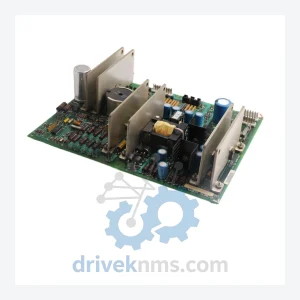
General Electric DS200TCPSG1AME is listed for Mark VI RFQ review. Confirm quantity, condition and destination before quotation.