
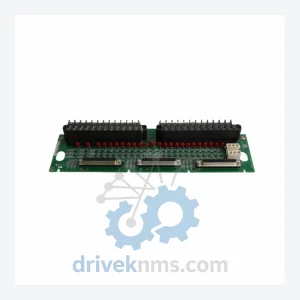
GE Fanuc IS200TBCIS2CCD I/O Terminal Board – Mark VI Redundant Control System
GE Fanuc IS200TBCIS2CCD is listed for Mark VI RFQ review. Confirm quantity, condition and destination before quotation.
RFQ-ready industrial model
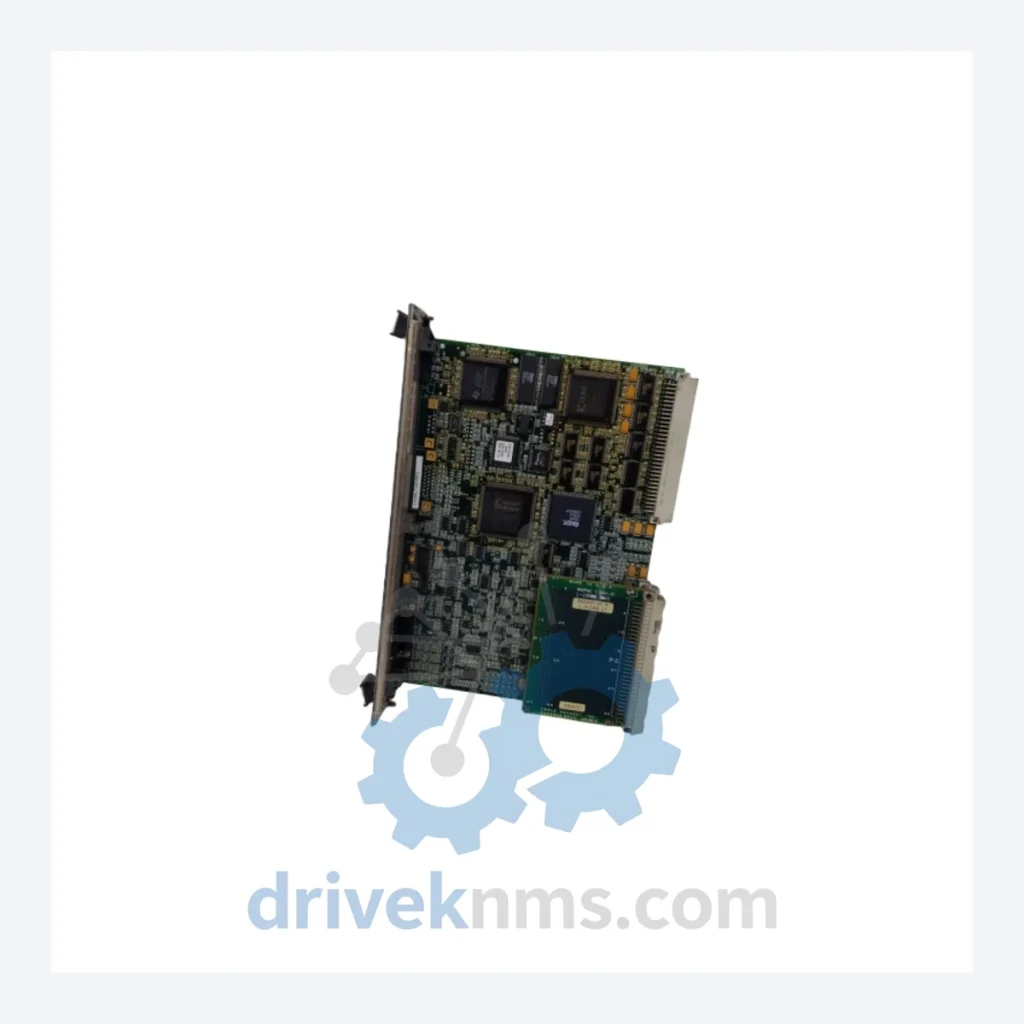
Model: IS200VTCCH1CBB
Product Overview
Commercial availability is handled through direct RFQ, model verification and export-oriented follow-up rather than public cart checkout.
Datasheet Preview
Use attached product manuals when available. If the manual is not public yet, request the full file directly through RFQ.
Commercial Path
Product pages on DRIVEKNMS are designed to verify model, brand and series first, then move the buyer into one clean quotation path.
Technical Dossier
RFQ support for obsolete parts: Send the model number, required quantity and destination so DriveKNMS can confirm sourcing options before quotation.
| Part Number | IS200VTCCH1CBB |
| Manufacturer | GE (General Electric) |
| Series | Mark VI Turbine Control System |
| Board Type | VME Communication Board |
| Form Factor | VMEbus (Versa Module Europa) |
| Country of Origin | United States |
| Discontinuation Status | Obsolete – No longer manufactured by GE. Replacement requires full system migration. |
| Compatible Systems | GE Mark VI Turbine Control System (MKVI), Mark VI-e (with adapter verification required) |
| Typical Application | Gas turbine, steam turbine, combined-cycle power plant control |
Note: Electrical parameters specific to individual board revisions (CBB suffix) are not published in GE's public documentation. DriveKNMS does not fabricate specifications. Contact us for board revision verification prior to purchase.
The VME communication board handles inter-module data exchange within the Mark VI I/O rack. It is not a peripheral component. Loss of this board means loss of turbine control visibility and command capability. There is no software workaround. There is no field repair path for most failure modes. The only operationally viable solution is a direct hardware replacement with a compatible IS200VTCCH1CBB unit.
For plant managers facing pressure from corporate asset teams to justify continued operation of legacy turbine control infrastructure, the arithmetic is straightforward: a verified spare board at current market pricing represents less than 0.1% of the cost of a forced system migration. Maintaining a two-unit spare inventory for critical VME communication boards is the lowest-cost insurance policy available for protecting a multi-decade capital asset.
Industrial turbine control systems are not consumer electronics. A GE Mark VI installation represents a capital investment that, when properly maintained at the hardware level, can deliver reliable service well beyond its original design horizon. The following strategy has been applied successfully at facilities operating legacy GE control systems past the 25-year mark:
Facilities that implement structured spare parts management for their Mark VI systems consistently defer forced migration by 5–10 years. At current migration cost levels, that deferral represents a direct financial return measured in millions of dollars per turbine unit.
DriveKNMS applies a five-step incoming inspection protocol to all obsolete VME boards before they are offered for sale:
Boards are shipped in anti-static packaging with desiccant. Condition grade (New Surplus, Refurbished, or Used-Tested) is disclosed in writing prior to order confirmation.
Q: How do I know the board is genuine GE and not a counterfeit?
A: We source from documented industrial decommissioning projects and qualified surplus dealers. GE Mark VI boards carry traceable part markings. We provide photographs of the actual board, including part number labels and board markings, prior to shipment. We do not ship boards that cannot be positively identified as genuine GE manufacture.
Q: Should I buy one spare or multiple units?
A: For facilities operating multiple turbine units on Mark VI, we recommend a minimum of one IS200VTCCH1CBB per two turbine units, held in controlled storage. Given the declining availability of this board in the global surplus market, procurement now — rather than at the point of failure — is the operationally sound approach.
Continue The Model Path
Move from this exact model into the matching system hub, brand archive, model-family archive or lifecycle sourcing route before sending a final RFQ list.
Related Paths
GE Fanuc IS200TBCIS2CCD is listed for Mark VI RFQ review. Confirm quantity, condition and destination before quotation.
General Electric DS200TCDA-HBHE is listed for Mark VI RFQ review. Confirm quantity, condition and destination before quotation.
General Electric IS200DSPXH1DBD is listed for Mark VI RFQ review. Confirm quantity, condition and destination before quotation.