
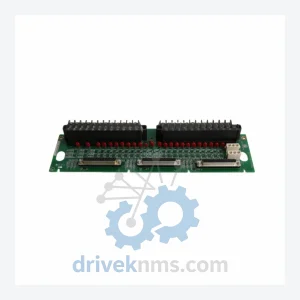
GE Fanuc IS200TBCIS2CCD I/O Terminal Board – Mark VI Redundant Control System
GE Fanuc IS200TBCIS2CCD is listed for Mark VI RFQ review. Confirm quantity, condition and destination before quotation.
RFQ-ready industrial model
Model: IS200VVIBH1CAB IS200VVIBH1C
Product Overview
Commercial availability is handled through direct RFQ, model verification and export-oriented follow-up rather than public cart checkout.
Datasheet Preview
Use attached product manuals when available. If the manual is not public yet, request the full file directly through RFQ.
Commercial Path
Product pages on DRIVEKNMS are designed to verify model, brand and series first, then move the buyer into one clean quotation path.
Technical Dossier
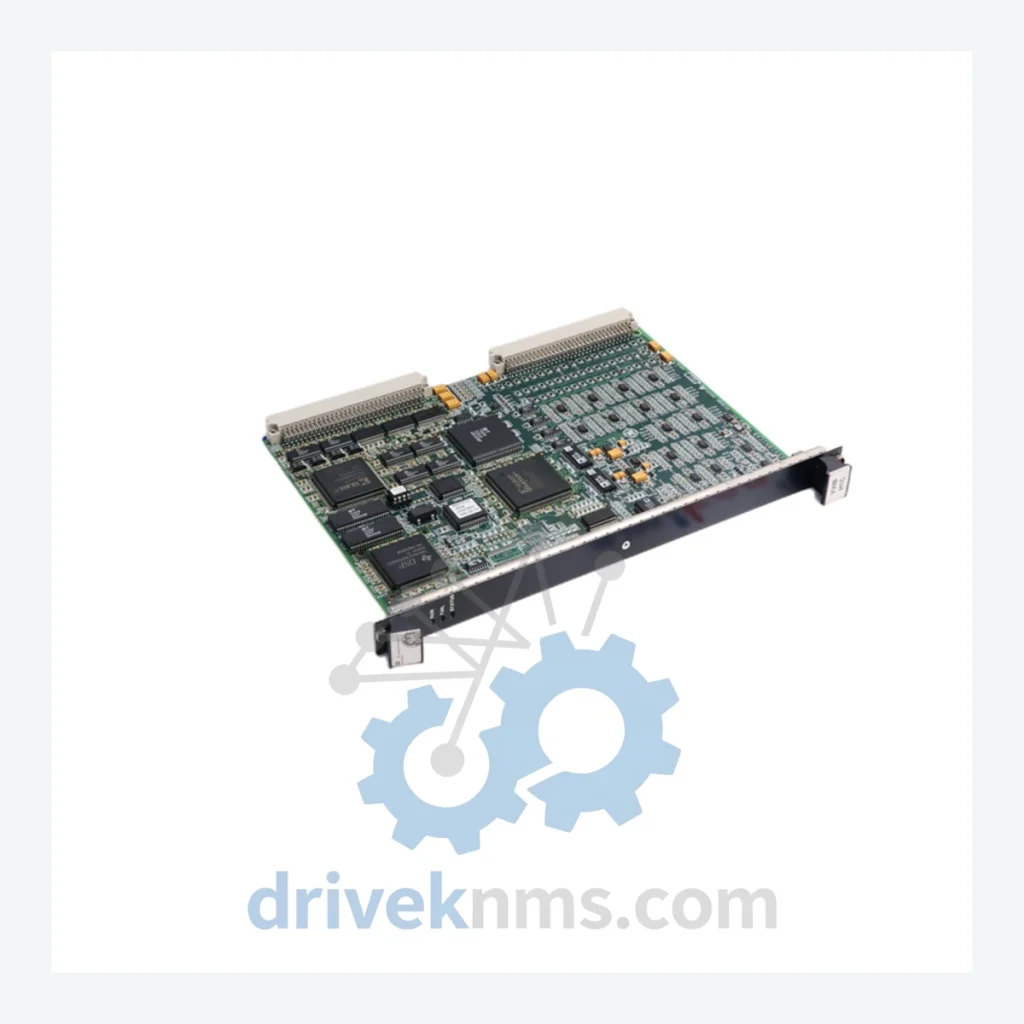
When a VME Vibration Monitoring Card fails inside a GE Mark VI turbine control system, the consequences extend far beyond a single board replacement. The Mark VI is the operational backbone of gas and steam turbines across power generation, oil & gas, and petrochemical facilities worldwide. A forced outage caused by an unresolvable hardware fault — one that cannot be sourced — triggers a cascade: emergency shutdown, production loss, and in many cases, a full control system migration that carries a price tag measured in millions of dollars. Engineering hours, new I/O wiring, operator retraining, and months of commissioning work do not come cheap. The IS200VVIBH1CAB is no longer in active production. DriveKNMS maintains RFQ-reviewed sourcing status of this card, sourced through controlled channels, for facilities that cannot afford to wait.
RFQ support for obsolete parts: Send the model number, required quantity and destination so DriveKNMS can confirm sourcing options before quotation.
| Parameter | Detail |
|---|---|
| Part Number | IS200VVIBH1CAB / IS200VVIBH1C |
| Manufacturer | GE (General Electric) |
| Series | Mark VI Turbine Control System |
| Card Type | VME Vibration Monitoring Card |
| Form Factor | VME Bus |
| Production Status | Discontinued – No longer manufactured by GE |
| Country of Origin | United States |
| Compatible Systems | GE Mark VI, Mark VIe (in legacy configurations) |
| Typical Application | Shaft vibration monitoring, bearing temperature, turbine protection |
Q: How are RFQ terms confirmed?
A: Quantity, required condition, documentation needs, destination and sourcing route are confirmed during RFQ review before quotation.
How to Extend Your Mark VI Asset Life by 5–10 Years Without a Full Migration
Plant managers facing system retirement pressure from corporate or OEM end-of-support notices have a documented alternative path. The following strategy has been applied successfully across power and process industries:
2. Prioritize protection-critical cards. Vibration monitoring cards, I/O terminal boards, and the VCMI communication card carry the highest operational risk if they fail without a replacement available. These should be stocked at a minimum of one-for-one redundancy.
3. Source from verified secondary market suppliers. OEM channels for Mark VI hardware are effectively closed. Reputable industrial spare parts distributors with documented QA processes are the only reliable source. Verify that the supplier performs functional testing, not just visual inspection.
4. Establish a firmware version record. Mark VI cards are firmware-dependent. Before installing any replacement card, confirm the firmware revision matches the existing system configuration. Mismatched firmware can cause communication faults or protection logic errors.
This approach consistently delivers 5–10 additional years of reliable operation from existing Mark VI infrastructure, deferring capital expenditure until a planned, budgeted migration window.
Discontinued hardware sourced from secondary markets carries inherent risk if the supplier's inspection process is inadequate. DriveKNMS applies a 5-step QA protocol to every IS200VVIBH1CAB unit before it leaves our facility:
Step 1 – Visual and Physical Inspection: Full board examination for mechanical damage, burn marks, and pin corrosion. Connector pins are inspected under magnification and cleaned where required.
Step 2 – Electrolytic Capacitor Assessment: Aged electrolytic capacitors are the leading cause of latent failure in VME-era hardware. Each capacitor is tested for capacitance drift and ESR (equivalent series resistance). Units with out-of-specification capacitors are flagged and reconditioned or rejected.
Step 3 – Firmware Version Verification: The installed firmware revision is documented and disclosed to the customer prior to shipment. This allows the receiving engineer to confirm compatibility with the target system before installation.
Step 5 – ESD-Safe Packaging and Documentation: All units are packed in anti-static bags with desiccant, placed in rigid protective packaging, and shipped with a condition report and traceability documentation.
The IS200VVIBH1CAB is a direct hardware replacement for the existing card position in the Mark VI VME chassis. No rack modification is required. The card seats into the standard VME backplane and communicates via the existing bus architecture. There is no requirement to modify turbine control logic, reconfigure protection setpoints, or engage a controls engineer for a software migration — provided the replacement card carries a compatible firmware revision.
This drop-in replacement characteristic is the defining economic argument for sourcing a spare rather than initiating a system upgrade. Engineering labor for a card swap is measured in hours. Engineering labor for a control system migration is measured in months. The IS200VVIBH1CAB eliminates the latter option as a forced emergency response.
Continue The Model Path
Move from this exact model into the matching system hub, brand archive, model-family archive or lifecycle sourcing route before sending a final RFQ list.
Related Paths
GE Fanuc IS200TBCIS2CCD is listed for Mark VI RFQ review. Confirm quantity, condition and destination before quotation.
General Electric DS200DDTBG2ABB is listed for Mark VI RFQ review. Confirm quantity, condition and destination before quotation.
General Electric DS200TCPSG1AME is listed for Mark VI RFQ review. Confirm quantity, condition and destination before quotation.