
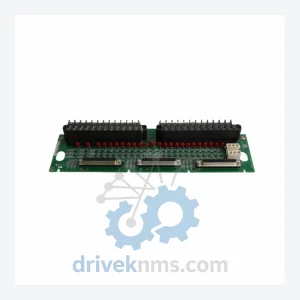
GE Fanuc IS200TBCIS2CCD I/O Terminal Board – Mark VI Redundant Control System
GE Fanuc IS200TBCIS2CCD is listed for Mark VI RFQ review. Confirm quantity, condition and destination before quotation.
RFQ-ready industrial model
Model: IS200WEORG1ACD
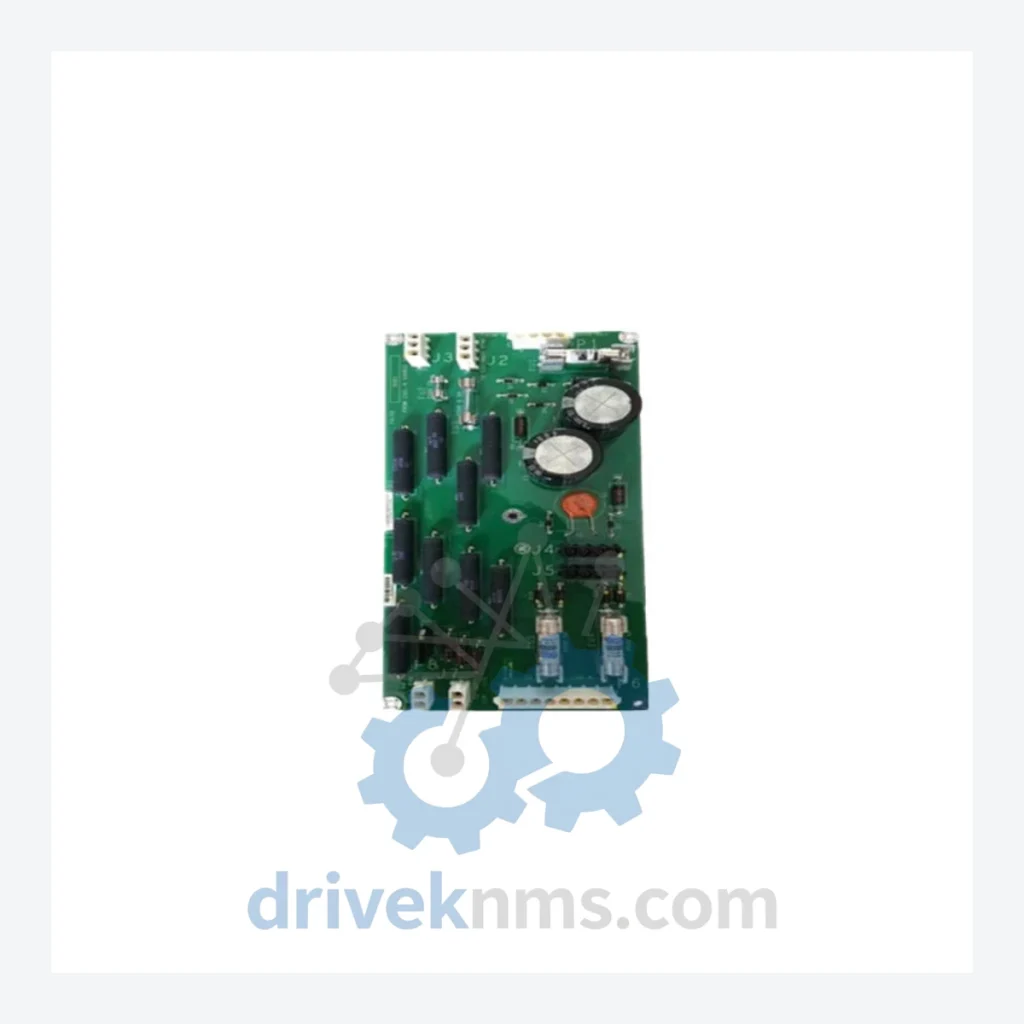
Product Overview
Commercial availability is handled through direct RFQ, model verification and export-oriented follow-up rather than public cart checkout.
Datasheet Preview
Use attached product manuals when available. If the manual is not public yet, request the full file directly through RFQ.
Commercial Path
Product pages on DRIVEKNMS are designed to verify model, brand and series first, then move the buyer into one clean quotation path.
Technical Dossier
The GE IS200 series constitutes the core I/O, control, and communication module family of the GE Mark VI Turbine Control System. Deployed across gas turbines, steam turbines, combined-cycle power plants, nuclear auxiliary systems, petrochemical facilities, and offshore platforms, the Mark VI platform represents one of the most widely installed turbine control architectures in global heavy industry. Installations span facilities operated by ExxonMobil, Shell, Saudi Aramco, CNOOC, EDF, and major independent power producers across North America, Europe, the Middle East, and Asia-Pacific. The IS200 module family provides the physical hardware layer for all Mark VI control functions, including analog and digital I/O processing, turbine protection logic, excitation regulation, communication gateway functions, and power distribution. The IS200WEORG1ACD specifically serves as the Excitation Regulator Output board within this architecture, interfacing between the Mark VI controller and the generator excitation system.
Excitation & Voltage Regulation
CPU & Controller Modules
Analog Input (AI) Modules
Digital Input (DI) Modules
Digital Output (DO) Modules
Communication & Network Adapters
Power Supply Modules
Q: How is condition confirmed before quotation?
A: Available condition, photos, test records and documentation are checked according to the requested model and sourcing channel before a formal RFQ response.
Continue The Model Path
Move from this exact model into the matching system hub, brand archive, model-family archive or lifecycle sourcing route before sending a final RFQ list.
Related Paths
GE Fanuc IS200TBCIS2CCD is listed for Mark VI RFQ review. Confirm quantity, condition and destination before quotation.
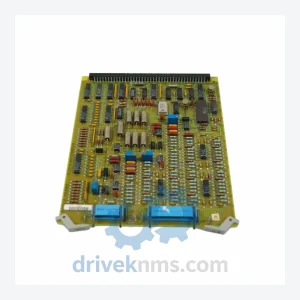
General Electric DS3800HAFA1D1E is listed for Mark VI RFQ review. Confirm quantity, condition and destination before quotation.
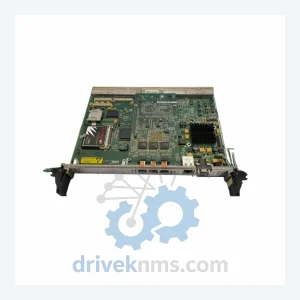
General Electric IS215UCCAM03A is listed for Mark VI RFQ review. Confirm quantity, condition and destination before quotation.