
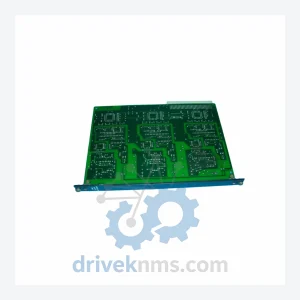
GE IS200 Modules | IS200BPIBG1AEB Driver Board
GE IS200 Series: Comprehensive Module Range and Technical Overview The GE IS200 series constitutes the core I/O, control, and communication…
Model: IS210AEBIH1BED
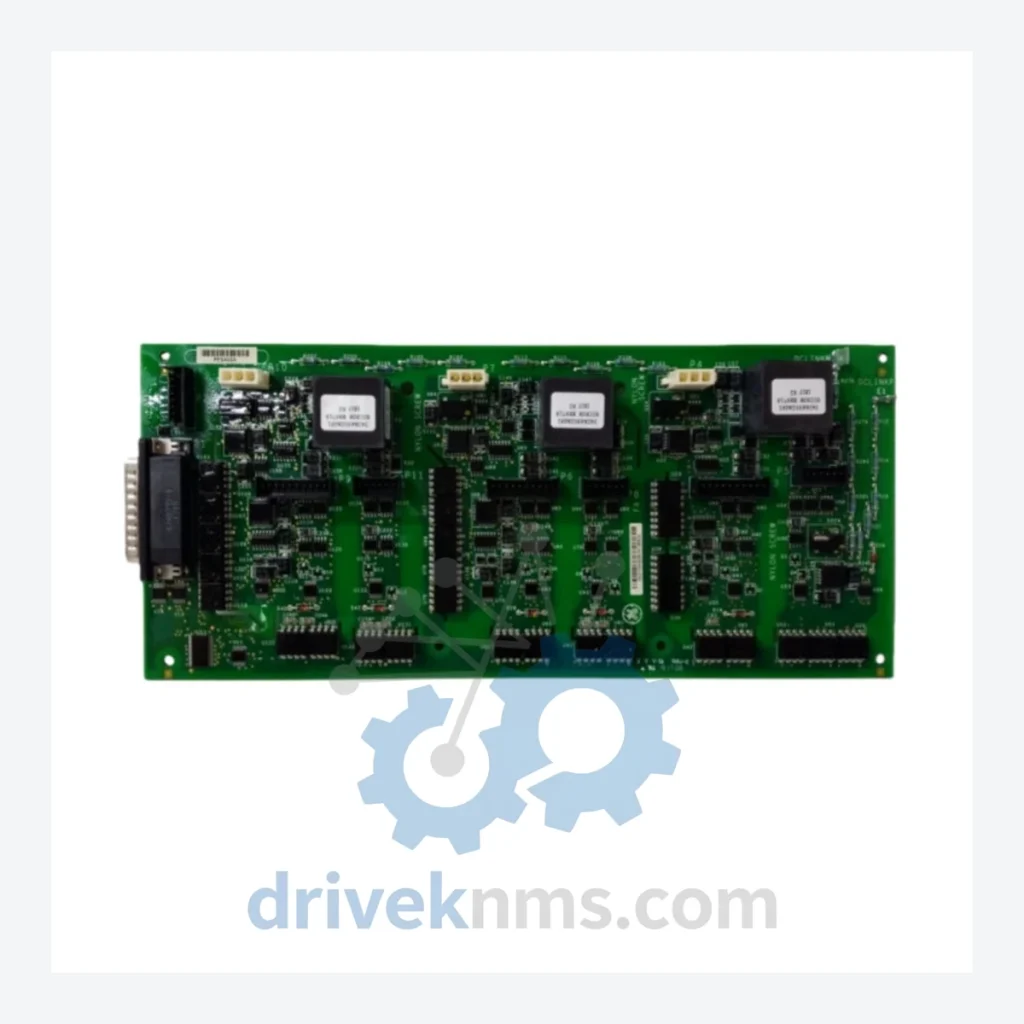
Product Overview
Commercial availability is handled through direct RFQ, model verification and export-oriented follow-up rather than public cart checkout.
Datasheet Preview
Use attached product manuals when available. If the manual is not public yet, request the full file directly through RFQ.
Commercial Path
Product pages on DRIVEKNMS are designed to verify model, brand and series first, then move the buyer into one clean quotation path.
Technical Dossier
The GE IS210 series represents the core I/O, communication, and interface module family deployed within GE's Mark VI and EX2100 Speedtronic turbine control platforms. These systems are installed across the global heavy-industry base — including combined-cycle gas turbine (CCGT) power plants, nuclear auxiliary systems, petrochemical refineries, and offshore oil & gas platforms. The IS210 module family operates on the VCMI/VME backplane architecture and communicates via GE's proprietary IONet and ARCNET serial bus protocols. Installed base spans hundreds of facilities across North America, Europe, the Middle East, and Asia-Pacific, with operational lifespans routinely exceeding 20 years. As GE Vernova (formerly GE Power) has transitioned its turbine control portfolio toward the Mark VIe platform, the IS210 series has entered a mature/end-of-life phase, making third-party lifecycle support and spare parts sourcing a critical operational requirement for plant maintenance teams.
The IS210 module family was introduced as part of the Mark VI Speedtronic turbine control system, which GE launched in the mid-1990s as a successor to the Mark V platform. The Mark VI architecture centralized turbine protection, sequencing, and I/O management into a VME-based rack system, with IS210-prefix modules serving as the standardized hardware layer.
Generation 1 (Mark VI, ~1995–2005): Initial IS210 modules used parallel backplane addressing and ARCNET for inter-module communication. Modules such as the IS210AEBIH1BED (AE Bridge Interface) and IS210BAIAH1A (Analog Input) defined the baseline I/O architecture. Compatibility was tightly coupled to specific Mark VI rack configurations (VCMI, VMIC, VMIO).
Generation 2 (Mark VI Enhanced / EX2100, ~2005–2015): GE extended the IS210 family to support the EX2100 excitation control system and Mark VI-e transitional hardware. IONet Ethernet-based communication was introduced alongside legacy ARCNET support. Modules in this era added dual-redundancy options and expanded diagnostic registers accessible via the ToolboxST configuration environment.
End-of-Life / Lifecycle Extension Phase (~2015–present): GE Vernova has formally migrated new installations to the Mark VIe platform (IS420-prefix modules). IS210-series hardware is no longer manufactured in volume. OEM spare parts availability is severely constrained. Plants operating Mark VI and EX2100 systems must source IS210 modules through authorized third-party suppliers with documented testing protocols to maintain turbine availability and avoid unplanned outages.
The following IS210-series modules are classified by functional category. Each entry represents a verified, commonly deployed part number within the Mark VI / EX2100 control architecture.
Bridge & Interface Modules
Digital I/O Modules
CPU & Controller Modules
Communication & Network Modules
Power Supply Modules
Speed & Vibration Modules
With GE Vernova's formal discontinuation of Mark VI hardware production, the IS210 module series is classified as obsolete / end-of-life by the OEM. Lead times for factory-new units — where available — can exceed 52 weeks. For operating plants, this creates a direct risk to turbine availability and maintenance schedule compliance.
DriveKNMS maintains a dedicated inventory of IS210-series modules sourced from decommissioned Mark VI systems, controlled plant shutdowns, and verified surplus channels. All units are catalogued by part number, hardware revision, and firmware version. DriveKNMS provides:
IS210-series modules present specific testing challenges due to their VME backplane architecture, ARCNET bus dependency, and mixed analog/digital signal paths. DriveKNMS applies the following verification procedures to all IS210 units prior to dispatch:
© 2026 DriveKNMS. All trademarks belong to their respective owners. Specifications are for reference only and subject to change without notice. Verify all parameters against official documentation before installation.
Related Paths
GE IS200 Series: Comprehensive Module Range and Technical Overview The GE IS200 series constitutes the core I/O, control, and communication…
GE IS200 Series: Comprehensive Module Range and Technical Overview The GE IS200 series is the core I/O and control module…
GE IS215 Series: Comprehensive Module Range and Technical Overview The GE IS215 series represents a core hardware family within GE's…