
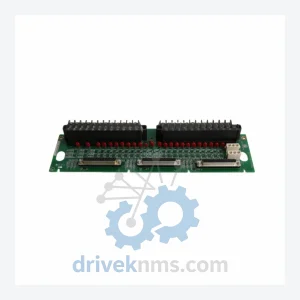
GE Fanuc IS200TBCIS2CCD I/O Terminal Board – Mark VI Redundant Control System
GE Fanuc IS200TBCIS2CCD is listed for Mark VI RFQ review. Confirm quantity, condition and destination before quotation.
RFQ-ready industrial model
Model: IS210AEAAH1BKE IS210AEAAH1
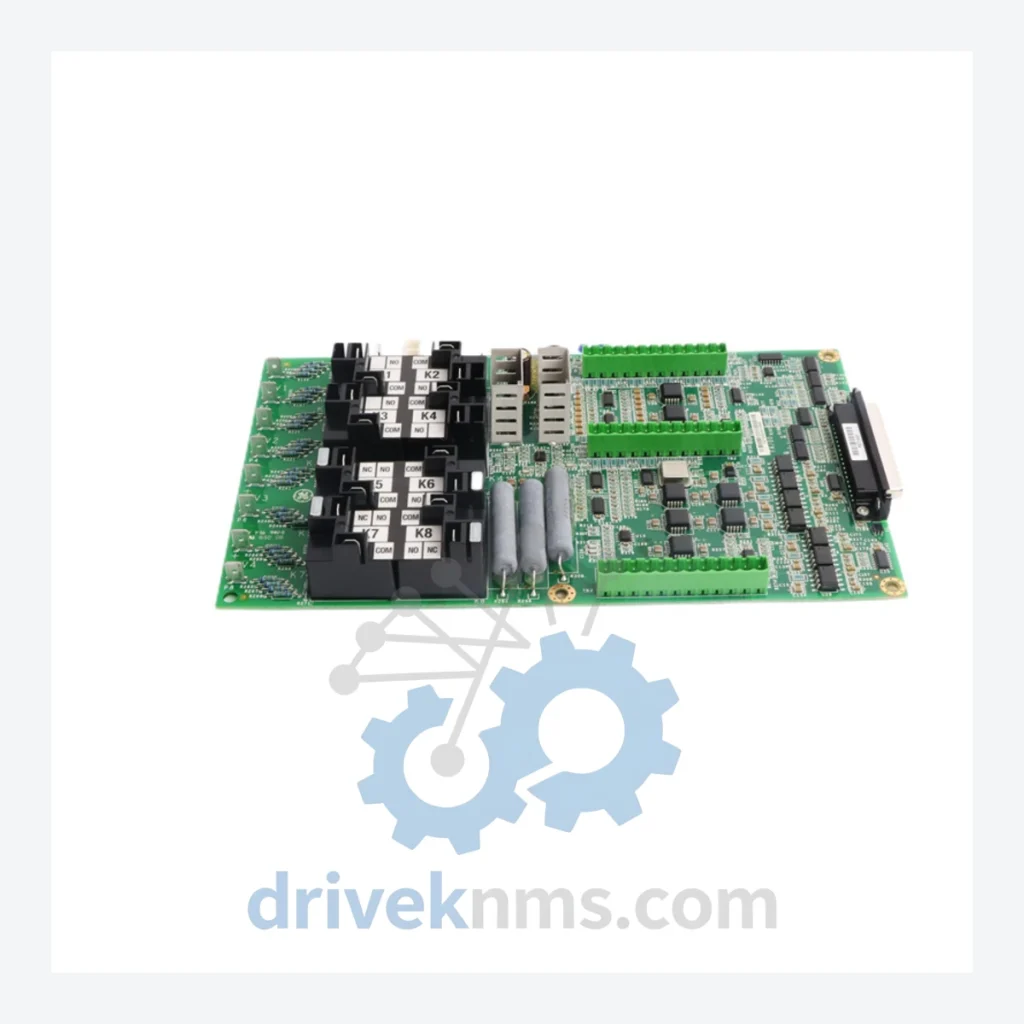
Product Overview
Commercial availability is handled through direct RFQ, model verification and export-oriented follow-up rather than public cart checkout.
Datasheet Preview
Use attached product manuals when available. If the manual is not public yet, request the full file directly through RFQ.
Commercial Path
Product pages on DRIVEKNMS are designed to verify model, brand and series first, then move the buyer into one clean quotation path.
Technical Dossier
RFQ support for obsolete parts: Send the model number, required quantity and destination so DriveKNMS can confirm sourcing options before quotation.
| Field | Detail |
|---|---|
| Part Number | IS210AEAAH1BKE |
| Alternate Part Number | IS210AEAAH1 |
| Manufacturer | GE (General Electric) |
| Series / Platform | Mark VI Turbine Control System |
| Function | Excitation Control – Generator Voltage Regulation |
| Form Factor | VME-bus plug-in board |
| Country of Origin | United States |
| OEM Status | Discontinued / Obsolete – No longer available through GE OEM channels |
| Compatible Systems | GE Mark VI, Mark VIe (legacy excitation configurations) |
| Typical Application | Gas turbine generators, steam turbine generators, compressor drives |
Note: Electrical parameters such as input voltage range and I/O specifications vary by site configuration. Confirmed parameters are provided upon request with unit serial number verification. No parameters are published here that have not been independently verified.
The GE Mark VI platform was the dominant turbine control architecture deployed globally from the mid-1990s through the 2010s. Thousands of units remain in active service at power plants, LNG facilities, and petrochemical complexes. GE has progressively migrated its support focus to the Mark VIe and Mark VIeS platforms, leaving Mark VI operators in a position where critical spare boards — including the IS210AEAAH1BKE excitation control module — are no longer manufactured or stocked by the OEM.
The IS210AEAAH1BKE governs generator excitation: it regulates field current to maintain terminal voltage within specification under varying load conditions. There is no software-only workaround for a failed excitation board. The turbine-generator unit cannot operate safely without it. This is not a peripheral component — it sits on the critical path of every generation cycle.
Q: How are RFQ terms confirmed?
A: Quantity, required condition, documentation needs, destination and sourcing route are confirmed during RFQ review before quotation.
How to extend your Mark VI turbine asset life by 5–10 years through strategic spare parts management:
Units are classified and labeled as New Surplus (unused, original packaging), Tested Serviceable (used, passed full QA), or Refurbished (used, reconditioned to serviceable standard). Classification is disclosed on every invoice.
Continue The Model Path
Move from this exact model into the matching system hub, brand archive, model-family archive or lifecycle sourcing route before sending a final RFQ list.
Related Paths
GE Fanuc IS200TBCIS2CCD is listed for Mark VI RFQ review. Confirm quantity, condition and destination before quotation.
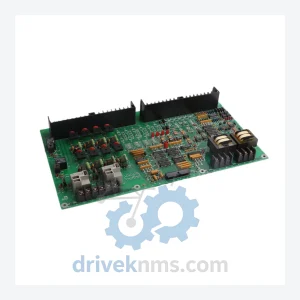
General Electric DS200DDTBG2ABB is listed for Mark VI RFQ review. Confirm quantity, condition and destination before quotation.
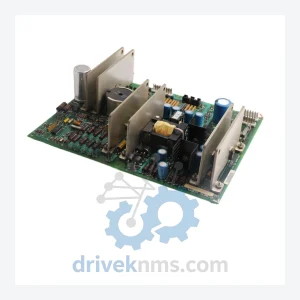
General Electric DS200TCPSG1AME is listed for Mark VI RFQ review. Confirm quantity, condition and destination before quotation.