
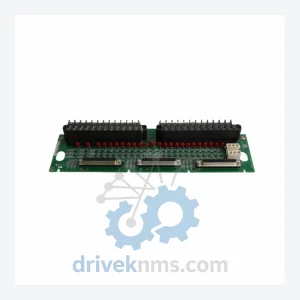
GE Fanuc IS200TBCIS2CCD I/O Terminal Board – Mark VI Redundant Control System
GE Fanuc IS200TBCIS2CCD is listed for Mark VI RFQ review. Confirm quantity, condition and destination before quotation.
RFQ-ready industrial model
Model: IS210MVRAH1A
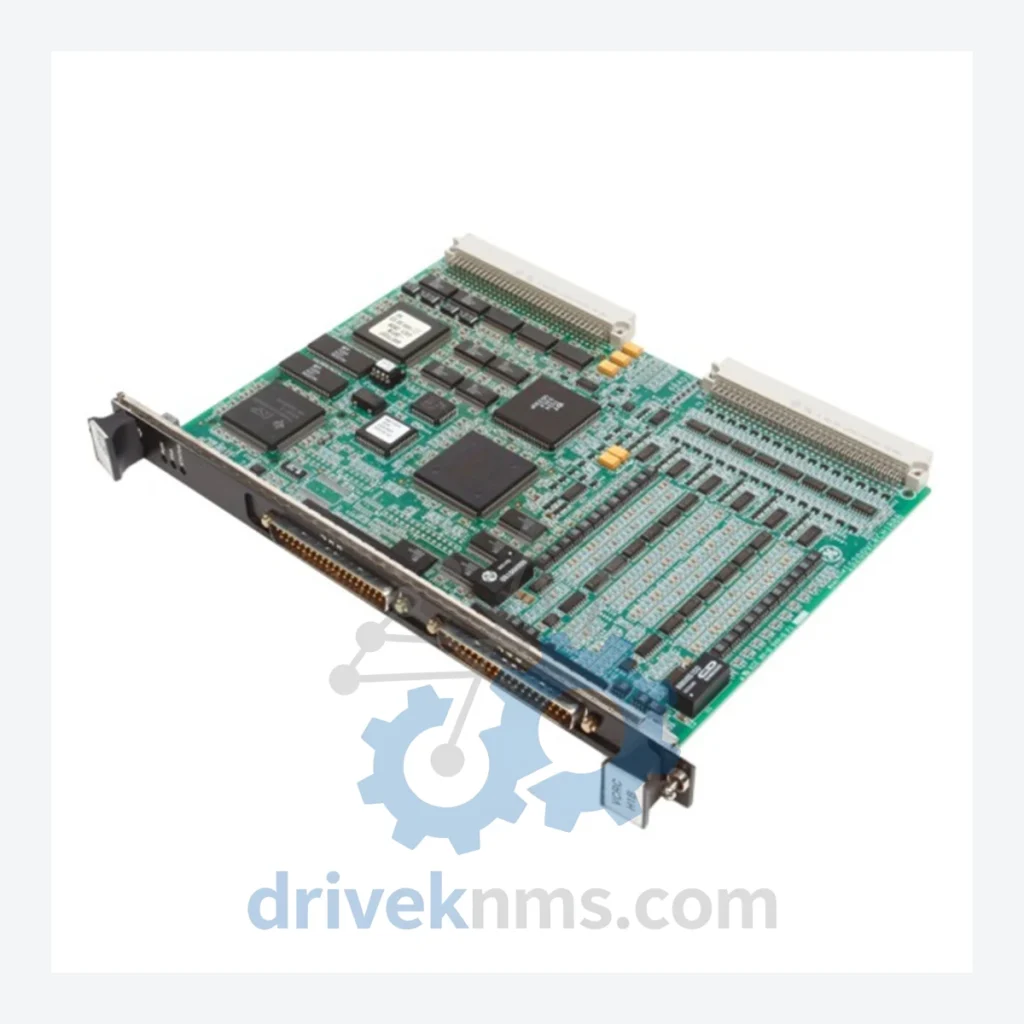
Product Overview
Commercial availability is handled through direct RFQ, model verification and export-oriented follow-up rather than public cart checkout.
Datasheet Preview
Use attached product manuals when available. If the manual is not public yet, request the full file directly through RFQ.
Commercial Path
Product pages on DRIVEKNMS are designed to verify model, brand and series first, then move the buyer into one clean quotation path.
Technical Dossier
The GE Mark VI turbine control system, built around the IS210 module platform, is one of the most widely deployed distributed control architectures in global heavy industry. Installed across gas turbine power plants, combined-cycle facilities, petrochemical refineries, nuclear auxiliary systems, and offshore platforms, the Mark VI system governs turbine sequencing, protection logic, I/O interfacing, and real-time communication across redundant control networks. The IS210 module family represents the hardware backbone of this system, providing modular, rack-mounted control and I/O functions that can be configured for simplex, dual, or triple modular redundant (TMR) architectures. Facilities in North America, the Middle East, Southeast Asia, and Europe have standardized on Mark VI hardware for long-term asset management, making spare parts availability a critical operational concern for plant engineers and procurement teams worldwide.
GE's turbine control platform evolved from the Mark I relay-based systems of the 1960s through the Mark IV and Mark V digital controllers of the 1980s–1990s, culminating in the Mark VI, introduced in the late 1990s as a fully digital, networked control system. The IS210 module series was engineered to replace the earlier IS200 and IS215 form factors while maintaining backward compatibility within the Mark VI rack infrastructure. Key architectural milestones include the transition from ISBus to IONet Ethernet-based I/O communication, the introduction of triple-redundant voting logic at the module level, and the adoption of the UCSC and VCMI controller boards as the central processing units. The Mark VIe (enhanced) generation followed, introducing EtherNet/IP and Profibus integration, but a large installed base of original Mark VI IS210 hardware remains in active service. Compatibility between IS210 and IS215 modules within the same rack is version-dependent and must be verified against GE's hardware compatibility matrix. End-of-life notices for several IS210 variants have been issued, making third-party sourcing and refurbishment services essential for lifecycle extension beyond OEM support windows.
The following IS210 series modules are classified by functional category. Each model represents a verified, commonly deployed component within the GE Mark VI control system architecture.
Controller & Processor Modules
Analog & Digital I/O Modules
Communication & Network Modules
Power Supply Modules
IS210 modules present specific testing challenges due to their VME backplane architecture, multi-layer PCB construction, and dependence on synchronized IONet communication for functional validation. DriveKNMS applies a structured inspection and test protocol to all IS210 units prior to shipment. Visual inspection covers connector pin integrity, capacitor condition, conformal coating status, and board-level corrosion assessment. Functional testing is performed using GE-compatible rack simulators that replicate the Mark VI backplane bus environment, allowing each module to execute its initialization sequence, respond to I/O polling, and report diagnostic status codes. For analog I/O modules, calibration verification is performed against NIST-traceable reference standards. Communication modules are tested for IONet packet integrity and latency under simulated load. All test results are documented and shipped with each unit. Modules that fail any test stage are quarantined, disassembled for component-level repair where feasible, or scrapped — no untested units are released to inventory.
Continue The Model Path
Move from this exact model into the matching system hub, brand archive, model-family archive or lifecycle sourcing route before sending a final RFQ list.
Related Paths
GE Fanuc IS200TBCIS2CCD is listed for Mark VI RFQ review. Confirm quantity, condition and destination before quotation.
General Electric IS220PVIBH1AD is listed for Mark VI RFQ review. Confirm quantity, condition and destination before quotation.
General Electric F31X134EPRBEG1 FR00/0 is listed for Mark VI RFQ review. Confirm quantity, condition and destination before quotation.