
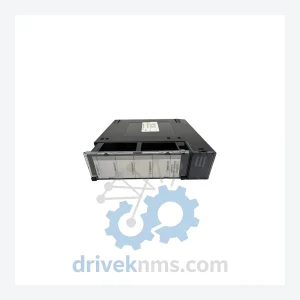
GE HE693THM449 Analog Input Module – Obsolete Series 90 Spare Part
GE Fanuc HE693THM449 is listed for Series 90 RFQ review. Confirm quantity, condition and destination before quotation.
RFQ-ready industrial model
Model: PMC422
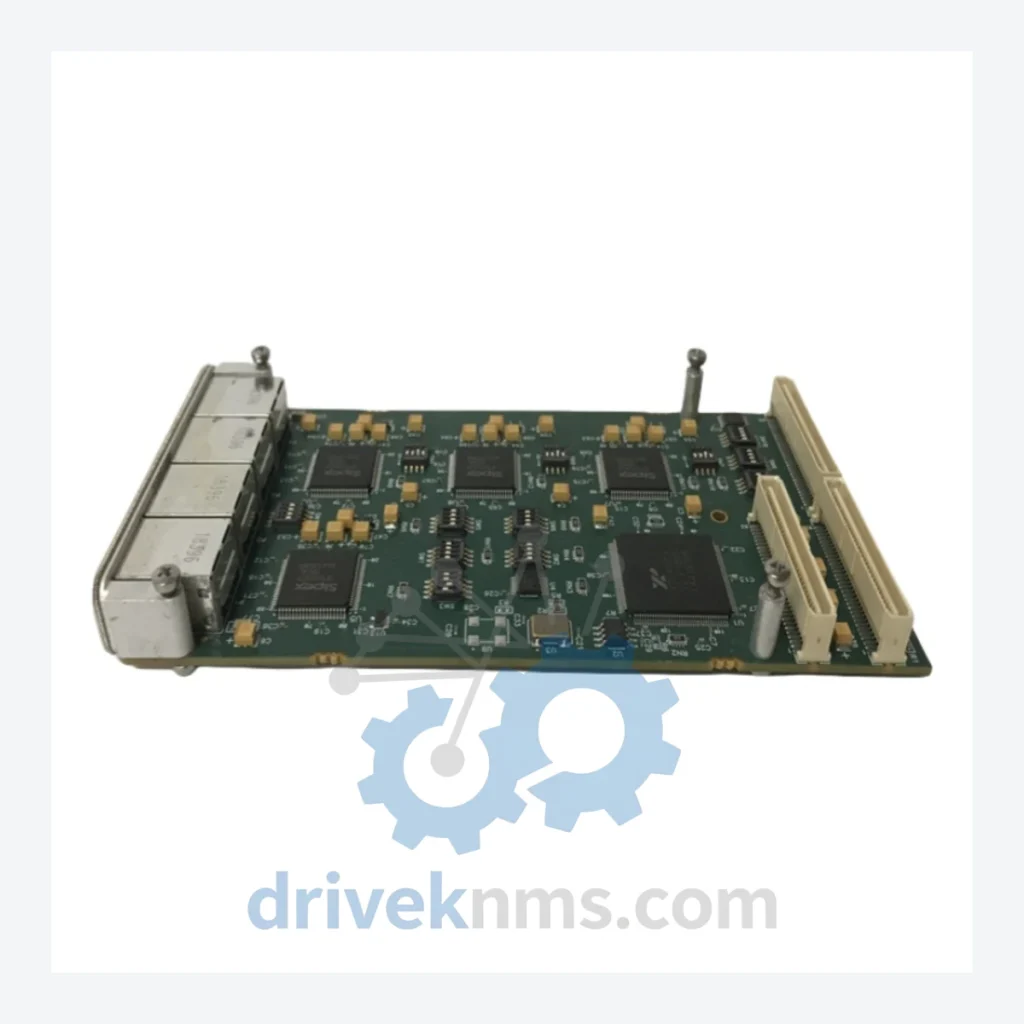
Product Overview
Commercial availability is handled through direct RFQ, model verification and export-oriented follow-up rather than public cart checkout.
Datasheet Preview
Use attached product manuals when available. If the manual is not public yet, request the full file directly through RFQ.
Commercial Path
Product pages on DRIVEKNMS are designed to verify model, brand and series first, then move the buyer into one clean quotation path.
Technical Dossier
RFQ support for obsolete parts: Send the model number, required quantity and destination so DriveKNMS can confirm sourcing options before quotation.
| Part Number | PMC422 |
| Manufacturer | GE Fanuc Automation (now part of Emerson / GE Vernova ecosystem) |
| Series | Series 90 / PACSystems Legacy |
| Module Type | Process Management Controller (PMC) |
| Discontinuation Status | Discontinued – No longer manufactured or supported by OEM |
| Compatible Systems | GE Fanuc Series 90-70, Series 90-30 (verify rack compatibility before installation) |
| Country of Origin | United States |
| Condition Available | New surplus / Tested refurbished (specified at time of order) |
Note: Electrical parameters for this module are application-dependent and vary by system configuration. Confirmed specifications will be provided upon request with supporting documentation.
The GE Fanuc Series 90 platform was the backbone of process automation across petrochemical, power generation, automotive, and discrete manufacturing for over two decades. The PMC422 served as a critical process management layer within these architectures — handling coordinated control tasks that cannot simply be reassigned to a generic replacement module without significant re-engineering.
When OEM support ends, the risk does not disappear. It transfers entirely to the plant operator. Every month a facility runs without a verified spare PMC422 on the shelf is a month of unhedged exposure to an unplanned outage that no insurance policy fully covers. The cost of sourcing one module from the secondary market is measured in thousands of dollars. The cost of not having it is measured in weeks of lost production.
How to extend your legacy automation asset life by 5–10 years:
Discontinued hardware sourced from the secondary market carries inherent risk if the supplier's inspection process is inadequate. DriveKNMS applies a structured 5-step qualification process to every PMC422 unit before it is offered for sale:
Can you source specific firmware versions?
We document firmware versions on units where this is accessible during inspection. If a specific firmware revision is required for your system, please specify this at the time of inquiry and we will confirm availability before committing to supply.
Continue The Model Path
Move from this exact model into the matching system hub, brand archive, model-family archive or lifecycle sourcing route before sending a final RFQ list.
Related Paths
GE Fanuc HE693THM449 is listed for Series 90 RFQ review. Confirm quantity, condition and destination before quotation.
GE Fanuc HE693THM889 is listed for Series 90 RFQ review. Confirm quantity, condition and destination before quotation.
GE Fanuc IC660BBR100 is listed for Series 90 RFQ review. Confirm quantity, condition and destination before quotation.