
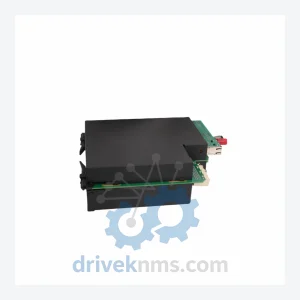
GE Multilin UR Series Modules UR9GH UR 9GH CPU Module
GE Multilin UR9GH UR 9GH is listed for Monitoring Systems RFQ review. Confirm quantity, condition and destination before quotation.
RFQ-ready industrial model
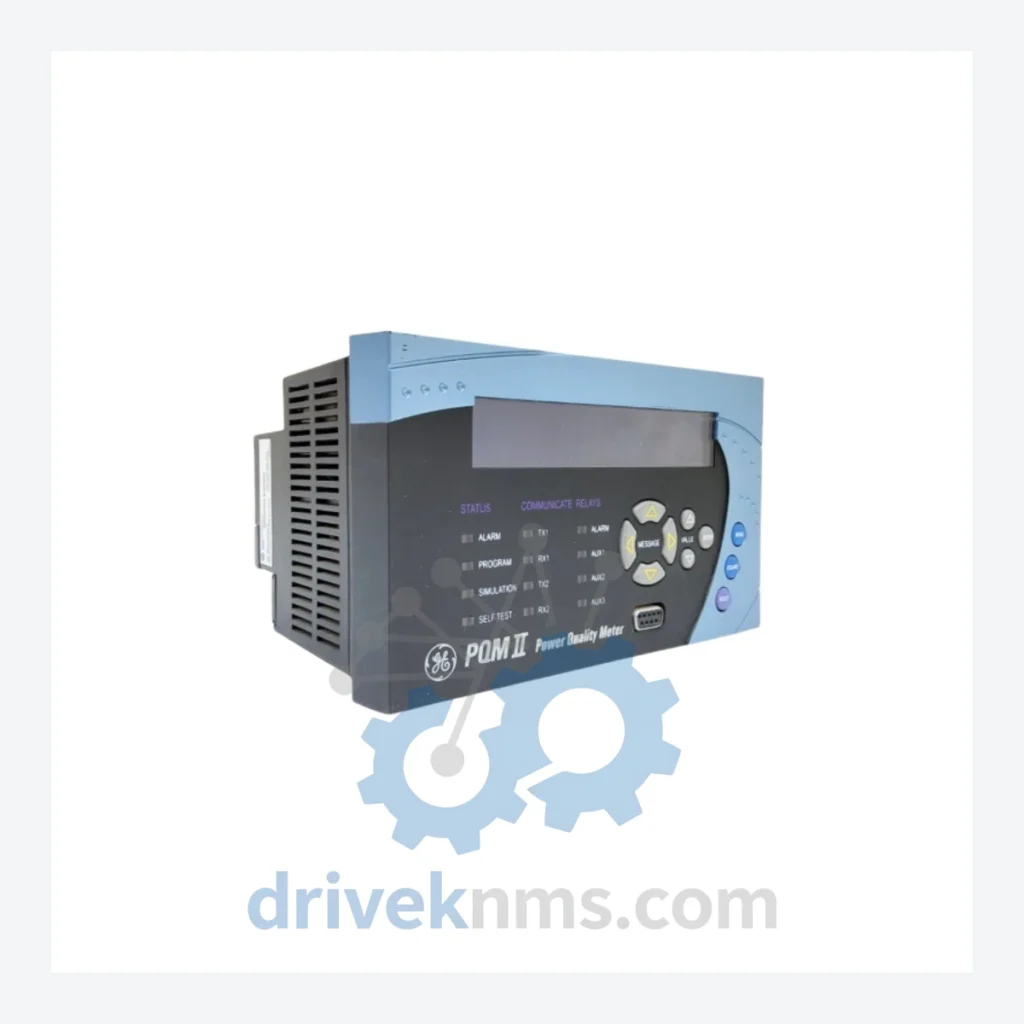
Model: PQMII-A
Product Overview
Commercial availability is handled through direct RFQ, model verification and export-oriented follow-up rather than public cart checkout.
Datasheet Preview
Use attached product manuals when available. If the manual is not public yet, request the full file directly through RFQ.
Commercial Path
Product pages on DRIVEKNMS are designed to verify model, brand and series first, then move the buyer into one clean quotation path.
Technical Dossier
DriveKNMS reviews sourcing options for this model through RFQ handling before quotation.
RFQ support for obsolete parts: Send the model number, required quantity and destination so DriveKNMS can confirm sourcing options before quotation.
Note: Electrical parameters not independently verified by DriveKNMS are intentionally omitted. All specifications above are based on published GE Multilin documentation. Buyers are advised to cross-reference with their original system drawings.
The GE Multilin PQMII series was widely deployed across utility substations, industrial power distribution systems, and commercial facilities throughout the 1990s and 2000s. Its role was not decorative — it served as the primary instrument for monitoring power quality parameters including voltage, current, frequency, power factor, and harmonic distortion across three-phase systems.
When GE Multilin discontinued the PQMII line, it did not simultaneously retire the thousands of panels and switchgear assemblies built around it. Those systems are still running. And when a PQMII-A unit fails, the facility faces a hard choice: source a replacement unit, or commit to a full metering infrastructure upgrade.
The upgrade path is rarely straightforward. Modern power quality meters use different form factors, different communication protocols, and different wiring configurations. Integrating a new unit into an existing legacy panel often requires a licensed electrical engineer, updated panel drawings, potential SCADA reconfiguration, and regulatory re-inspection. In regulated industries — utilities, oil and gas, heavy manufacturing — that process can take months and cost far more than the meter itself.
Sourcing a verified PQMII-A from DriveKNMS eliminates that entire chain of events. The unit installs in the existing cutout, communicates over the existing RS-485 wiring, and resumes monitoring without any changes to the surrounding infrastructure. For a facility that needs to maintain compliance and uptime, that is not a minor convenience — it is the difference between a one-week repair and a six-month capital project.
Sourcing discontinued hardware from the secondary market carries legitimate risk. DriveKNMS addresses this through a structured 5-step QA process applied to every PQMII-A unit before dispatch review:
Step 1 – Visual and Mechanical Inspection: Each unit is examined for physical damage, case integrity, connector condition, and label legibility. Units with cracked housings, bent pins, or missing hardware are rejected at this stage.
Step 2 – Electrolytic Capacitor Assessment: Aging electrolytic capacitors are a primary failure mode in legacy metering equipment. Our technicians inspect for visible bulging, leakage, and ESR anomalies. Units with suspect capacitors are flagged for component-level evaluation.
Step 3 – Firmware Version Verification: Where accessible, firmware revision is documented and cross-referenced against known compatibility requirements. This is particularly relevant for facilities using specific Modbus register maps or DNP3 point lists tied to a particular firmware version.
Step 4 – Pin and Terminal Corrosion Check: All rear-panel terminals and communication ports are inspected for oxidation and corrosion. Contact surfaces are cleaned and verified for proper conductivity before the unit is cleared for sale.
Step 5 – Functional Power-On Test: Each unit is powered and verified to initialize correctly, with display and communication ports confirmed operational.
Q: How are RFQ terms confirmed?
A: Quantity, required condition, documentation needs, destination and sourcing route are confirmed during RFQ review before quotation.
Drop-in Replacement: The PQMII-A is a direct physical and electrical replacement for any existing PQMII-A installation. No panel modifications, no new cutouts, no rewiring of the metering circuit.
No Reprogramming Required: The unit retains the same Modbus register structure and DNP3 point mapping as the original. Existing SCADA configurations, HMI screens, and data historian tags do not need to be updated.
Avoids Engineering Reconstruction Costs: A full metering upgrade in a legacy panel — including engineering, materials, installation, and re-commissioning — typically costs 10 to 30 times the price of a replacement PQMII-A. For facilities managing multiple panels, the cost differential is substantial.
Extends Asset Life by 5–10 Years: For plant managers facing pressure to defer capital expenditure, maintaining a functional PQMII-A installation buys time. A properly maintained legacy metering system can continue to serve its function reliably for another decade, allowing the facility to plan a structured, budgeted upgrade on its own schedule rather than under emergency conditions.
Compliance Continuity: Many regulated facilities have existing inspection records, calibration histories, and compliance documentation tied to their current metering configuration. Replacing a failed unit with an identical model preserves that continuity without triggering a re-inspection cycle.
Q: How are commercial terms confirmed?
A: Commercial terms are confirmed during RFQ review based on model, quantity, destination, documentation and sourcing route.
Continue The Model Path
Move from this exact model into the matching system hub, brand archive, model-family archive or lifecycle sourcing route before sending a final RFQ list.
Related Paths
GE Multilin UR9GH UR 9GH is listed for Monitoring Systems RFQ review. Confirm quantity, condition and destination before quotation.
GE Multilin PQMII-T20-C-A is listed for Monitoring Systems RFQ review. Confirm quantity, condition and destination before quotation.
GE Multilin MMII-PD-1-2-240 is listed for Monitoring Systems RFQ review. Confirm quantity, condition and destination before quotation.