
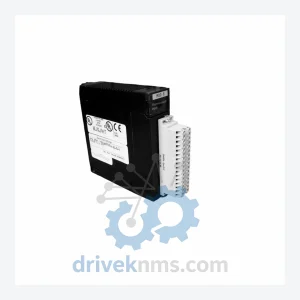
GE HE693THM166E Memory Ethernet Module – Series 90-30
GE Fanuc HE693THM166E is listed for Series 90-30 RFQ review. Confirm quantity, condition and destination before quotation.
RFQ-ready industrial model
Model: SD30B
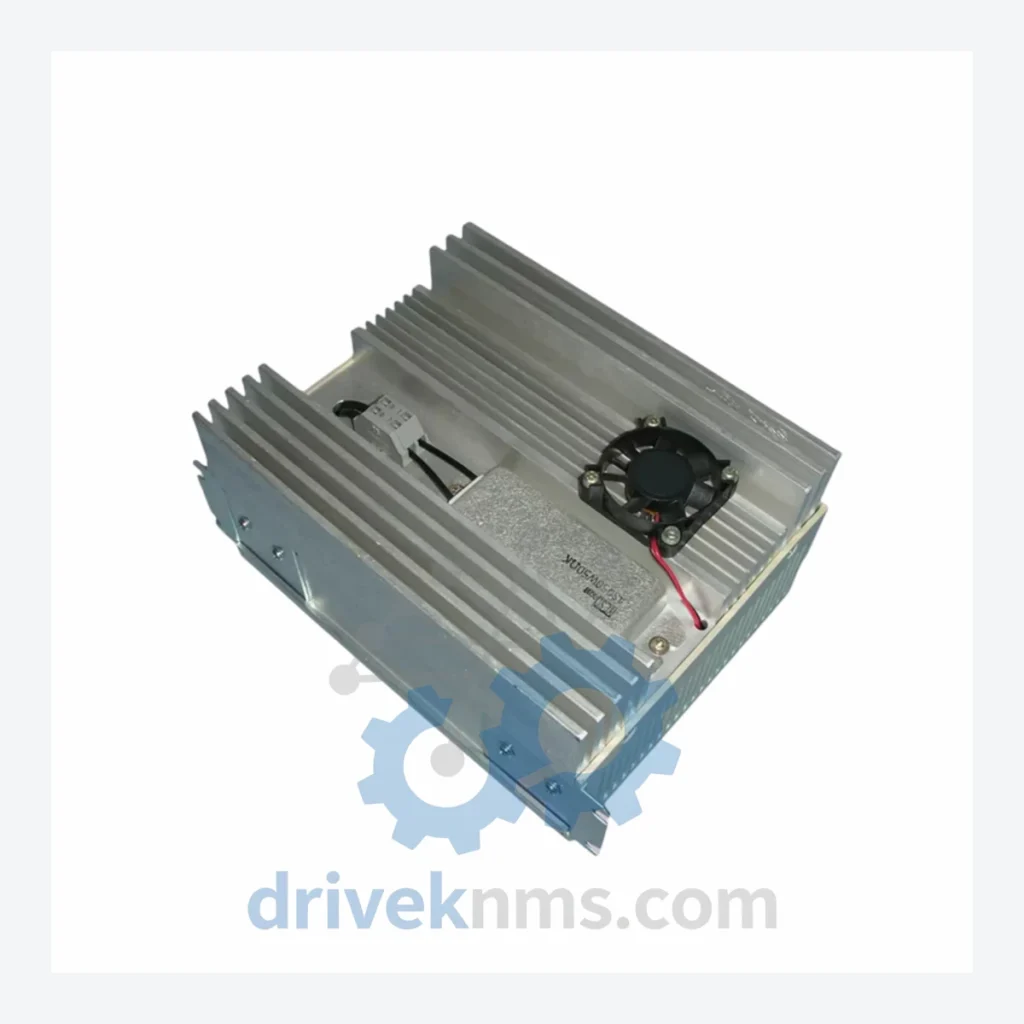
Product Overview
Commercial availability is handled through direct RFQ, model verification and export-oriented follow-up rather than public cart checkout.
Datasheet Preview
Use attached product manuals when available. If the manual is not public yet, request the full file directly through RFQ.
Commercial Path
Product pages on DRIVEKNMS are designed to verify model, brand and series first, then move the buyer into one clean quotation path.
Technical Dossier
RFQ support for obsolete parts: Send the model number, required quantity and destination so DriveKNMS can confirm sourcing options before quotation.
Note: Electrical parameters are verified against physical units during our QA process. Specifications not confirmed by physical inspection are intentionally omitted to protect equipment safety.
The GE Series 90-30 platform was deployed extensively across discrete manufacturing, water treatment, material handling, and process industries throughout the 1990s and 2000s. Many of these installations remain operational today — not because of inertia, but because the control logic embedded in these systems represents decades of process tuning that cannot be trivially migrated to a modern PLC without significant re-engineering effort.
The SD30B module occupies a specific functional role within the Series 90-30 rack architecture. When this module fails, the rack cannot be substituted with a current-generation GE PACSystems or third-party equivalent without hardware redesign, software re-mapping, and in many cases, full revalidation of the control program. For regulated industries — pharmaceuticals, food processing, utilities — that revalidation alone can take months and cost more than the original system installation.
Facilities that have invested in Series 90-30 infrastructure are not operating legacy systems out of negligence. They are protecting capital assets with proven reliability records. The rational strategy is not immediate replacement — it is structured spare parts management that extends the operational life of these assets by 5 to 10 years while a planned, budgeted migration is executed on the facility's own timeline.
Sourcing discontinued industrial modules from the secondary market carries real risk. DriveKNMS applies a structured 5-step inspection protocol to every SD30B unit before it is offered for sale:
Units that do not pass all five stages are not sold. There are no exceptions.
How do I know the unit is genuine and not counterfeit?
Every SD30B is sourced through documented supply channels. Physical markings, PCB revision codes, and component profiles are cross-checked against known-genuine reference units. Units that cannot be positively authenticated are not listed for sale.
Continue The Model Path
Move from this exact model into the matching system hub, brand archive, model-family archive or lifecycle sourcing route before sending a final RFQ list.
Related Paths
GE Fanuc HE693THM166E is listed for Series 90-30 RFQ review. Confirm quantity, condition and destination before quotation.
GE Fanuc IC609SJR100C is listed for Series 90-30 RFQ review. Confirm quantity, condition and destination before quotation.
GE Fanuc IC693PCM301 is listed for Series 90-30 RFQ review. Confirm quantity, condition and destination before quotation.