
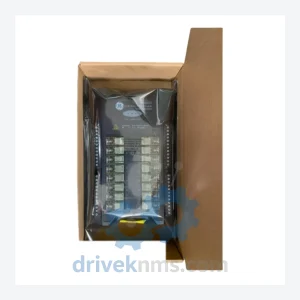
GE MAI22 369B1841G5004 Generator Protection Relay – MAI22 Series
General Electric MAI22 369B1841G5004 is listed for MAI22 Series RFQ review. Confirm quantity, condition and destination before quotation.
RFQ-ready industrial model
Model: SR469-P5-HI-A20
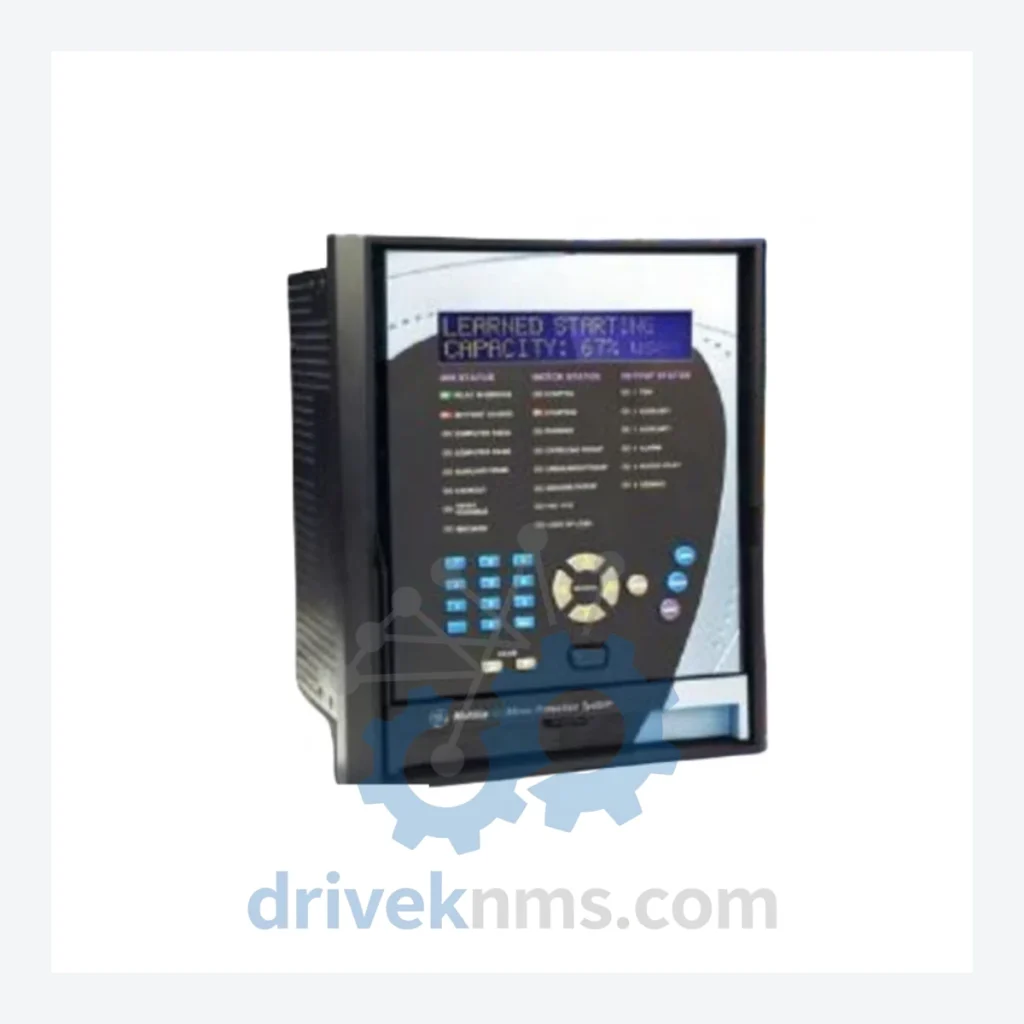
Product Overview
Commercial availability is handled through direct RFQ, model verification and export-oriented follow-up rather than public cart checkout.
Datasheet Preview
Use attached product manuals when available. If the manual is not public yet, request the full file directly through RFQ.
Commercial Path
Product pages on DRIVEKNMS are designed to verify model, brand and series first, then move the buyer into one clean quotation path.
Technical Dossier
RFQ support for obsolete parts: Send the model number, required quantity and destination so DriveKNMS can confirm sourcing options before quotation.
| Parameter | Detail |
|---|---|
| Manufacturer | GE (General Electric) |
| Part Number | SR469-P5-HI-A20 |
| Series | SR469 Motor Management Relay |
| Product Status | Discontinued / Obsolete |
| Country of Origin | United States |
| Compatible Systems | GE SR469 legacy motor protection panels; compatible with existing CT/VT wiring and RS-485 Modbus communication infrastructure |
| Typical Application | Medium-voltage motor protection, overload, phase unbalance, ground fault, thermal model protection |
Note: Specific electrical parameters (voltage ratings, current input ranges, firmware revision) vary by unit configuration. Confirmed specifications are provided upon request with unit serial number verification. No parameters are assumed or fabricated.
The GE SR469 platform was the protection relay of choice for medium-voltage motor feeders across petrochemical, mining, pulp and paper, and water treatment facilities throughout the 1990s and 2000s. Its architecture — built around dedicated motor thermal modeling, phase current monitoring, and serial Modbus communication — was integrated directly into plant DCS and SCADA layers in ways that are not trivially replicated by modern IEC 61850-based relays.
GE formally discontinued the SR469 series, and authorized repair channels have progressively closed. Plant engineers managing aging SR469 installations now face a binary choice: source verified spare units from the secondary market, or commit to a full protection relay replacement program. The latter is not simply a hardware swap. It involves protection coordination studies, new relay settings files, updated single-line diagrams, and in many jurisdictions, formal re-commissioning sign-off by a licensed protection engineer. For a facility with 20–40 SR469-protected feeders, this represents a multi-year capital project.
Maintaining a strategic inventory of SR469-P5-HI-A20 units is the operationally sound alternative. A single verified spare, held in climate-controlled storage, can extend the productive life of an entire motor protection system by 5–10 years — deferring capital expenditure until a planned, budgeted replacement cycle rather than forcing an emergency response to an unplanned failure.
Facilities that have adopted this approach — maintaining 2–3 SR469 spares per critical feeder group — report zero unplanned outages attributable to relay failure over multi-year observation periods. The cost of the spare inventory is recovered within the first avoided production interruption.
All SR469-P5-HI-A20 units processed by DriveKNMS pass a structured 5-step QA protocol designed specifically for legacy industrial electronics:
Step 1 – Visual and Mechanical Inspection: Full external inspection for physical damage, terminal corrosion, and connector pin integrity. Units with compromised housings or corroded terminals are rejected at intake.
Step 2 – Electrolytic Capacitor Assessment: Internal inspection targets electrolytic capacitors on the power supply and analog input boards — the primary failure point in aged relay hardware. Units showing capacitor bulge, leakage, or ESR deviation are flagged for component-level refurbishment or rejected.
Step 3 – Firmware Version Verification: Firmware revision is read and documented. Compatibility with the customer's existing SR469 installation is confirmed prior to dispatch where version data is available.
Step 4 – Pin and Connector Integrity Check: All I/O terminal blocks, communication ports, and rear-panel connectors are inspected for oxidation, mechanical deformation, and contact resistance. Affected contacts are cleaned or the unit is rejected.
Step 5 – Functional Power-On Test: Units are powered and basic self-diagnostic routines are observed. Units that fail to complete normal startup sequences are not dispatched.
Condition is disclosed accurately — new surplus, tested refurbished, or as-removed — at point of sale. No unit is represented as new unless it is factory-sealed new surplus.
The SR469-P5-HI-A20 is a direct drop-in replacement for existing SR469 installations. No relay re-engineering is required. The unit slots into the existing panel cutout, connects to existing CT/VT wiring, and communicates over the existing RS-485 Modbus network using the same register map as the original unit.
This stands in direct contrast to a platform migration, which requires new relay models, new settings files built from scratch, updated protection coordination studies, and formal re-commissioning. The engineering cost alone for a platform migration on a single feeder typically exceeds the cost of 10–20 SR469 spare units.
Q: Should I buy one spare or multiple units?
A: For facilities with multiple SR469-protected feeders, we recommend holding a minimum of one spare per feeder group, with a strategic reserve of 2–3 units for critical processes. The SR469 is no longer manufactured. Secondary market availability will continue to tighten. Units purchased today represent a hedge against future unavailability at any price.
Q: Can you source other SR469 variants or accessories?
A: Yes. DriveKNMS actively sources across the SR469 product family. Contact us with your specific part number requirements.
Continue The Model Path
Move from this exact model into the matching system hub, brand archive, model-family archive or lifecycle sourcing route before sending a final RFQ list.
Related Paths
General Electric MAI22 369B1841G5004 is listed for MAI22 Series RFQ review. Confirm quantity, condition and destination before quotation.
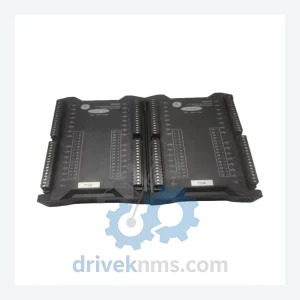
General Electric MAI12 369B1841G5003 is listed for MAI12 Series RFQ review. Confirm quantity, condition and destination before quotation.
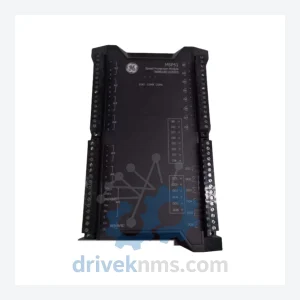
General Electric MSP10 369B1851G5001 is listed for MSP Series RFQ review. Confirm quantity, condition and destination before quotation.