
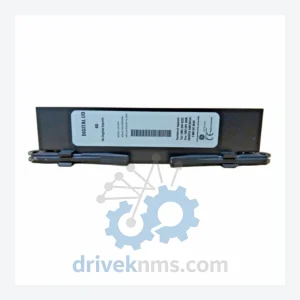
GE UR6DH Digital I/O Module – Critical Spare UR Series Part
GE Grid Solutions UR6DH is listed for Critical Spare UR Series Part RFQ review. Confirm quantity, condition and destination before quotation.
RFQ-ready industrial model
Model: UR6FH
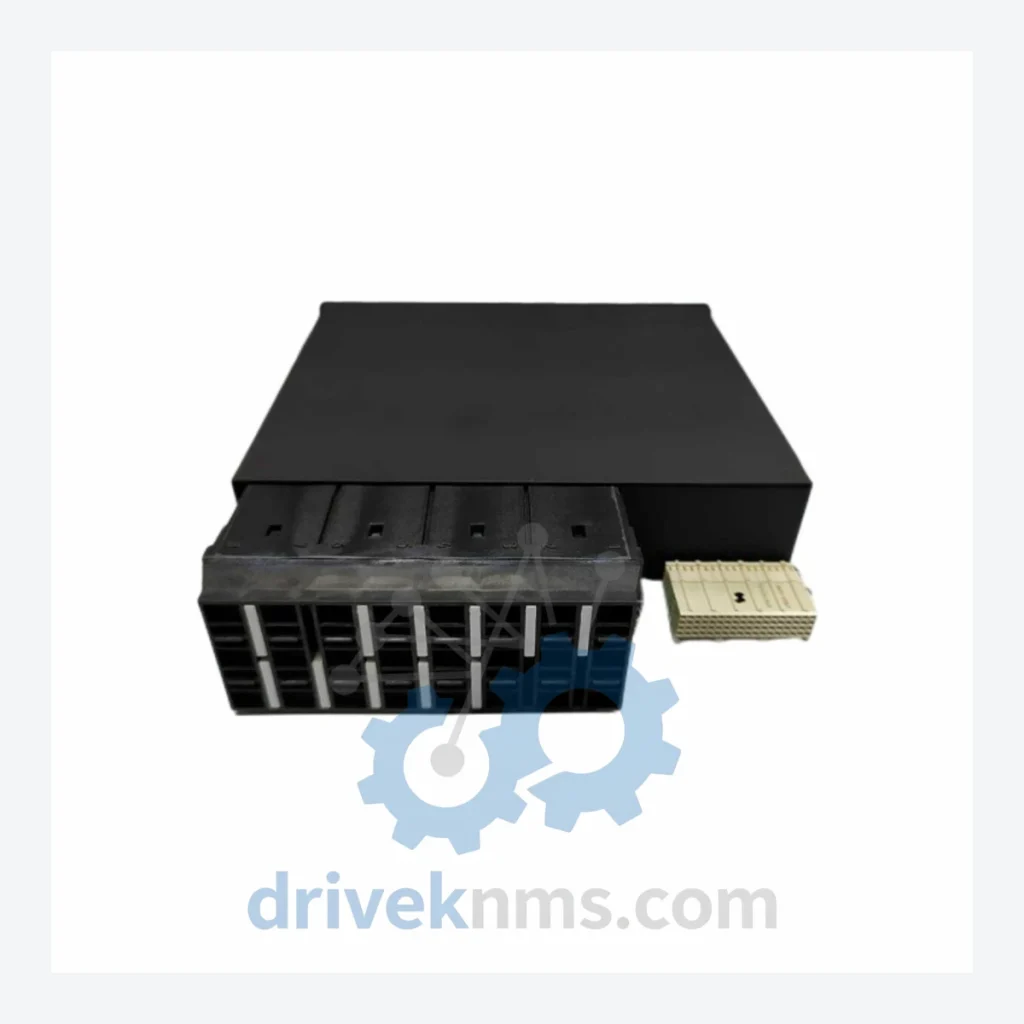
Product Overview
Commercial availability is handled through direct RFQ, model verification and export-oriented follow-up rather than public cart checkout.
Datasheet Preview
Use attached product manuals when available. If the manual is not public yet, request the full file directly through RFQ.
Commercial Path
Product pages on DRIVEKNMS are designed to verify model, brand and series first, then move the buyer into one clean quotation path.
Technical Dossier
The GE UR (Universal Relay) Series, developed by GE Grid Solutions (formerly GE Multilin), is one of the most widely deployed protection relay platforms in global heavy industry. Installed across chemical processing plants, nuclear power stations, petroleum refineries, hydroelectric facilities, and high-voltage transmission substations, the UR platform provides a standardized, modular architecture for generator protection, transformer protection, line protection, bus protection, and motor protection applications. Its chassis-based, slot-configurable design allows end users to build application-specific relay configurations from a common hardware library, reducing spare parts inventory complexity across multi-unit installations. The UR Series is recognized under IEC 61850 GOOSE messaging standards and supports legacy SCADA integration via DNP3, Modbus RTU, and IEC 60870-5-104 protocols, making it a long-term fixture in both greenfield and brownfield substation environments.
The following SKUs represent verified, commonly deployed modules within the GE UR Series platform, organized by functional category:
Digital I/O Modules
Analog I/O & Transducer Modules
CPU & Processing Modules
Communication & Network Modules
Power Supply Modules
Continue The Model Path
Move from this exact model into the matching system hub, brand archive, model-family archive or lifecycle sourcing route before sending a final RFQ list.
Related Paths
GE Grid Solutions UR6DH is listed for Critical Spare UR Series Part RFQ review. Confirm quantity, condition and destination before quotation.
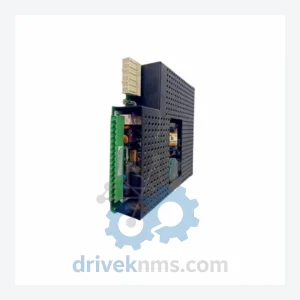
GE Grid Solutions UR6AV is listed for UR Series RFQ review. Confirm quantity, condition and destination before quotation.
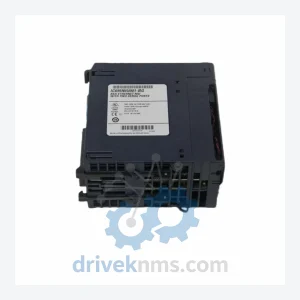
GE Grid Solutions UR8LV is listed for Controller Cards RFQ review. Confirm quantity, condition and destination before quotation.