
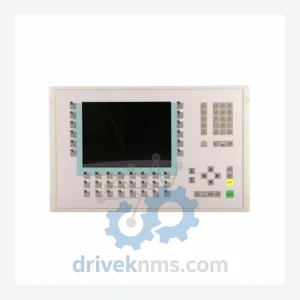
GE UR 7BH Communication Module – Obsolete Multilin UR Series Spare Part
GE Grid Solutions UR 7BH is listed for Multilin UR Series RFQ review. Confirm quantity, condition and destination before quotation.
RFQ-ready industrial model
Model: UR8CH
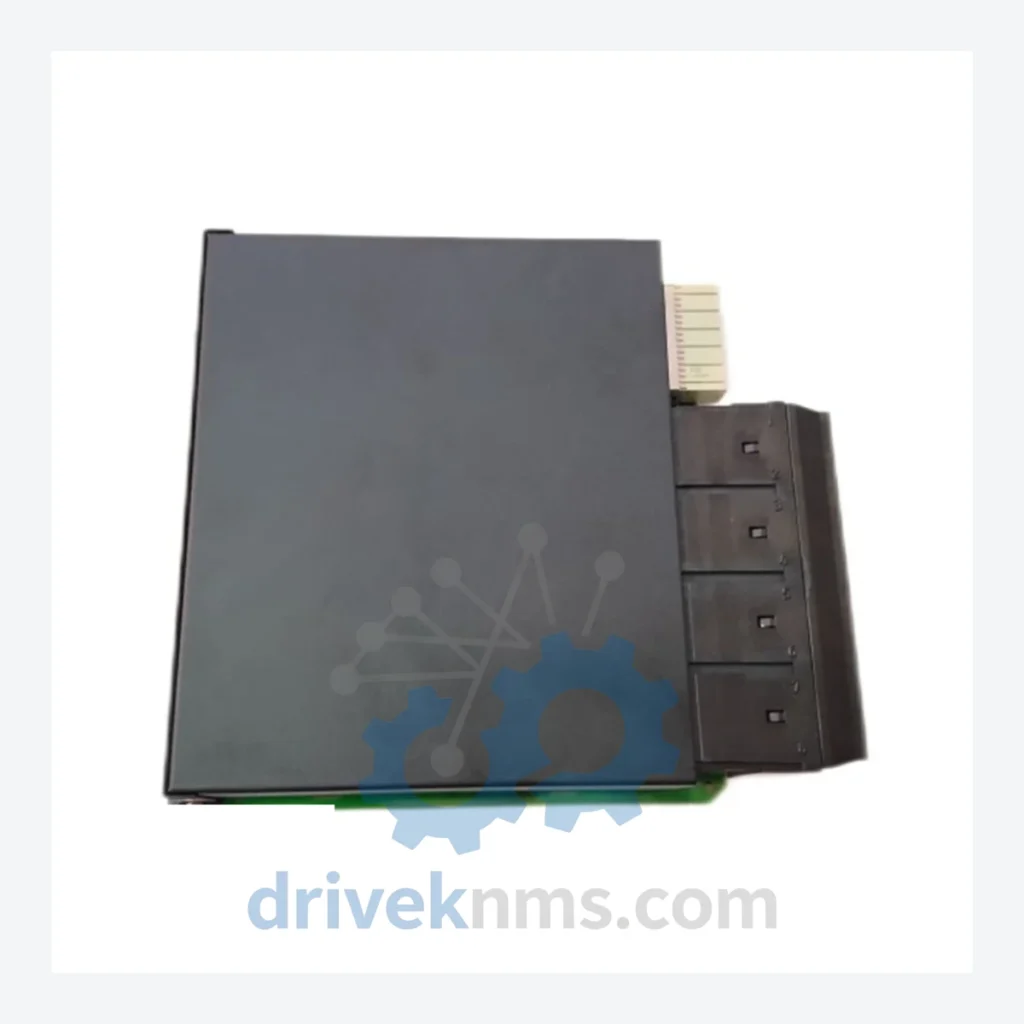
Product Overview
Commercial availability is handled through direct RFQ, model verification and export-oriented follow-up rather than public cart checkout.
Datasheet Preview
Use attached product manuals when available. If the manual is not public yet, request the full file directly through RFQ.
Commercial Path
Product pages on DRIVEKNMS are designed to verify model, brand and series first, then move the buyer into one clean quotation path.
Technical Dossier
When a Digital I/O module in a GE Multilin UR Series protection relay fails, the consequences extend far beyond a single component. The UR platform is deeply embedded in substation automation, generator protection, and feeder management systems across power utilities, petrochemical plants, and heavy industrial facilities worldwide. A forced system retirement triggered by one unavailable module can cascade into a full protection relay replacement program — an engineering undertaking that routinely exceeds hundreds of thousands of dollars in hardware, commissioning labor, relay coordination studies, and mandatory outage windows. The GE UR8CH is no longer in active production. Finding a verified, functional unit is a procurement challenge that grows more acute with each passing year.
DriveKNMS maintains a carefully managed inventory of hard-to-source legacy components. The UR8CH units we hold have been sourced through controlled channels and subjected to our internal QA process before any offer is made.
RFQ support for obsolete parts: Send the model number, required quantity and destination so DriveKNMS can confirm sourcing options before quotation.
| Parameter | Detail |
|---|---|
| Manufacturer | GE Grid Solutions (formerly GE Multilin) |
| Part Number | UR8CH |
| Series | Multilin UR Series |
| Module Type | Digital I/O Module |
| Form Factor | UR chassis plug-in module |
| Country of Origin | United States |
| Production Status | Discontinued / Obsolete – No longer manufactured |
| Typical Host Platform | GE Multilin UR Series (e.g., T60, L90, C60, D60, F60, G60, M60) |
Note: Electrical parameters such as I/O voltage ratings and channel counts are chassis-configuration dependent. Confirmed specifications are provided upon request with your relay model and firmware version.
The GE Multilin UR Series has been a backbone of digital protection relay infrastructure since the late 1990s. These relays handle critical functions — differential protection, distance protection, breaker failure logic — in environments where an unplanned outage is measured not in inconvenience but in regulatory penalties, safety incidents, and lost generation revenue.
The UR8CH module provides the digital contact input and output capacity that allows the relay to interface with external switchgear, annunciators, and SCADA systems. Without a functional I/O module, the relay cannot execute its protection scheme. There is no software patch for a failed hardware module.
Facilities that have standardized on the UR platform face a specific dilemma: the relay logic, settings files, and protection coordination studies are all built around the existing hardware. Migrating to a current-generation relay requires not just new hardware procurement but a complete re-engineering of protection settings, factory acceptance testing, and site commissioning — work that cannot be done during normal operations. For many asset managers, the rational decision is to maintain the existing UR platform for the remaining service life of the associated primary equipment, which may be 10 to 20 years. That strategy is only viable if spare modules remain available.
Sourcing a single UR8CH from a verified supplier is not a short-term fix. It is a deliberate asset protection decision that defers a seven-figure capital project and keeps a proven, stable protection system in service.
For operations and maintenance managers facing pressure to defer capital expenditure while maintaining system reliability, the following approach has proven effective across multiple industries:
1. Critical Spare Inventory Audit: Identify every UR Series relay in your facility and map which module slots are populated. Cross-reference against GE's published obsolescence notices. Any module listed as discontinued with no direct replacement should be treated as a single-point-of-failure risk.
2. Tiered Spare Holding: For protection relays on critical feeders or generator units, hold a minimum of one spare I/O module per relay type on-site. For non-critical applications, a shared pool across similar relay models is acceptable. The cost of holding a spare UR8CH is a fraction of the cost of an emergency procurement effort during an outage.
3. Firmware Version Control: Before installing any replacement module, verify firmware compatibility between the module and the relay chassis. GE Multilin firmware versions can affect I/O module recognition. Document the firmware version currently running in each relay and do not upgrade without a formal change management review.
4. Scheduled Preventive Inspection: Digital I/O modules in relay panels are subject to environmental stress — temperature cycling, humidity, and vibration. A biennial inspection that checks for connector corrosion, capacitor swelling, and contact resistance on output relays can identify degradation before it becomes a failure.
5. Lifecycle Planning Horizon: Establish a formal end-of-life date for each UR Series relay based on the age of the primary equipment it protects. Work backward from that date to determine the spare parts procurement window. Obsolete modules become harder and more expensive to source each year. Procurement decisions made five years before the end of the planning horizon are significantly less costly than emergency sourcing during a fault event.
This approach does not require capital approval for a full system replacement. It requires a structured spare parts strategy and a reliable supplier relationship — both of which are within the authority of a plant maintenance manager to execute.
Sourcing obsolete industrial hardware carries inherent risk. DriveKNMS applies a five-step evaluation process to every UR8CH unit before it is offered for sale:
Step 1 – Visual and Mechanical Inspection: Full examination of the PCB, connector pins, and housing for physical damage, corrosion, or evidence of prior repair work. Units with signs of unauthorized rework are rejected.
Step 2 – Electrolytic Capacitor Assessment: Electrolytic capacitors are the primary age-related failure point in modules of this generation. Each unit is inspected for capacitor bulging, electrolyte leakage, and ESR (equivalent series resistance) deviation. Capacitors showing degradation are replaced with specification-matched components.
Step 3 – Firmware Version Verification: Where accessible, the firmware version embedded in the module is documented and disclosed to the buyer. This allows the end user to confirm compatibility with their relay chassis before installation.
Step 4 – Pin and Connector Integrity Check: All edge connector pins and backplane connectors are inspected for oxidation, mechanical deformation, and contact resistance. Affected contacts are cleaned using approved methods; units with structural connector damage are not offered.
Step 5 – Functional Verification: Where test equipment permits, modules are powered and basic I/O channel response is verified. The test result and unit condition grade (New Surplus, Refurbished, or Tested Used) are documented and disclosed in the sales confirmation.
Drop-in Replacement: The UR8CH is designed to slot directly into the UR chassis backplane. No relay re-engineering is required. Existing settings files, protection logic, and SCADA communications remain intact after module replacement.
No Reprogramming Required: Replacing a failed I/O module does not require relay settings to be re-entered or protection coordination to be recalculated. The relay retains its configuration in non-volatile memory. This eliminates the need for a protection engineer to be on-site for the replacement itself.
Maintains Existing Cybersecurity Posture: Replacing a module within the existing relay does not introduce new network interfaces or require changes to substation cybersecurity configurations, which is a material consideration for facilities operating under NERC CIP or equivalent standards.
Q: Can you source other UR Series modules?
A: Yes. DriveKNMS specializes in hard-to-find GE Multilin components across the UR, SR, and 489/369 product families. Contact us with your full part number and we will advise on availability.
Continue The Model Path
Move from this exact model into the matching system hub, brand archive, model-family archive or lifecycle sourcing route before sending a final RFQ list.
Related Paths
GE Grid Solutions UR 7BH is listed for Multilin UR Series RFQ review. Confirm quantity, condition and destination before quotation.
GE Grid Solutions UR6DH is listed for Critical Spare UR Series Part RFQ review. Confirm quantity, condition and destination before quotation.
GE Grid Solutions UR6AV is listed for UR Series RFQ review. Confirm quantity, condition and destination before quotation.