
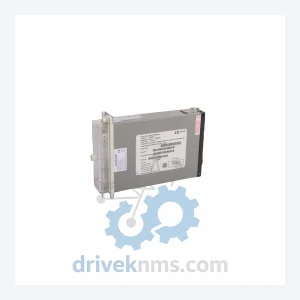
ALSTOM MVAJ105RA0802A Protection Relay – MiCOM Series
Alstom MVAJ105RA0802A is listed for MiCOM Series RFQ review. Confirm quantity, condition and destination before quotation.
RFQ-ready industrial model
Model: HF2211A
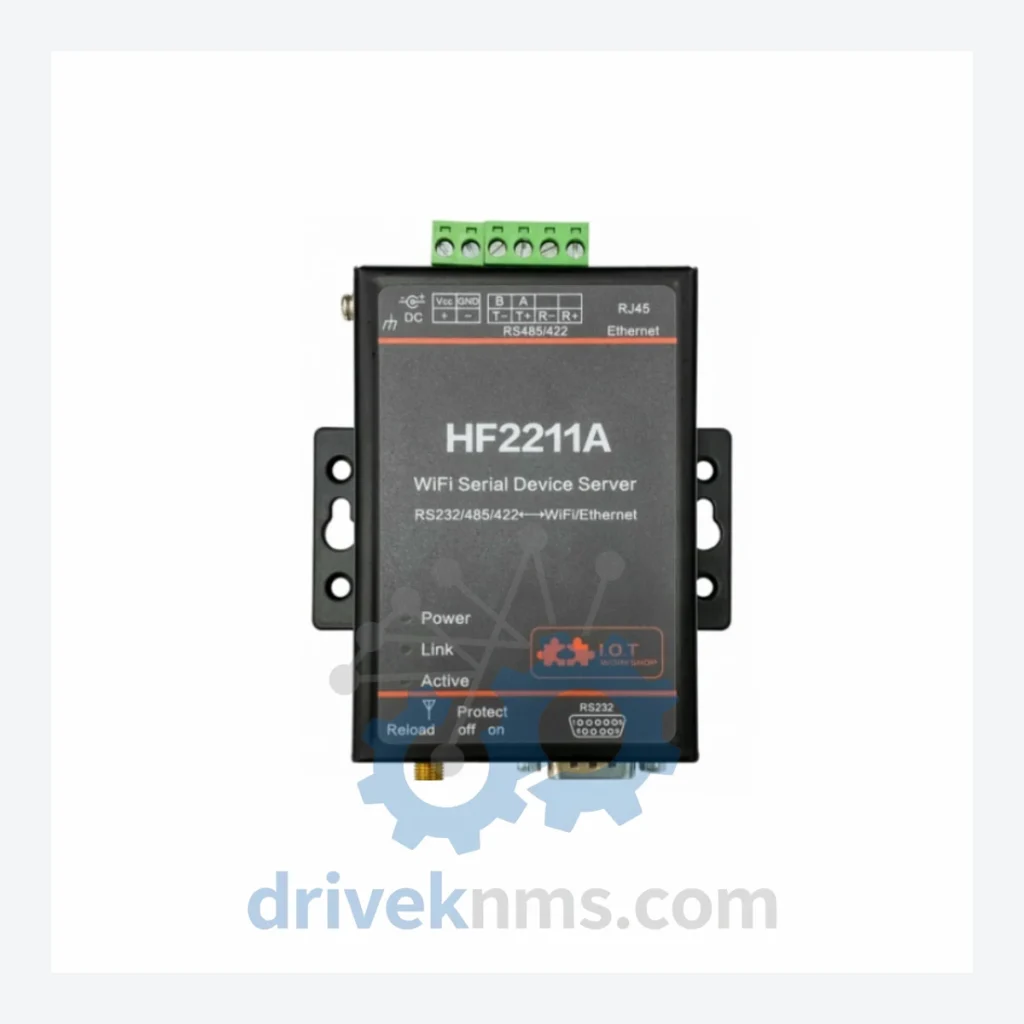
Product Overview
Commercial availability is handled through direct RFQ, model verification and export-oriented follow-up rather than public cart checkout.
Datasheet Preview
Use attached product manuals when available. If the manual is not public yet, request the full file directly through RFQ.
Commercial Path
Product pages on DRIVEKNMS are designed to verify model, brand and series first, then move the buyer into one clean quotation path.
Technical Dossier
| Parameter | Value |
|---|---|
| Model | HF2211A |
| Manufacturer | Hi-Flying Electronics Technology Co., Ltd. (HF) |
| Function | Serial Device Server – Serial to Ethernet / WiFi Conversion |
| Serial Interfaces | RS232 / RS485 / RS422 |
| Network Interface | 10/100 Mbps Ethernet (RJ45) |
| Supported Protocols | TCP Server, TCP Client, UDP, Modbus TCP/RTU Gateway |
| Power Supply | DC 5V (verify with unit label) |
| Operating Temperature | -40°C to +85°C (industrial grade) |
| Country of Origin | China |
| Product Status | Active – Stocked as Critical Emergency Spare |
| Typical Application Systems | SCADA, DCS, Building Automation, Industrial IoT Gateways |
Industrial facilities built over the past two decades standardized on RS485 and RS232 serial buses for field device communication. Replacing that physical layer is not a software update — it requires re-wiring, new field devices, updated PLC I/O cards, and full re-validation of the control loop. The HF2211A sits at the boundary between that legacy serial infrastructure and modern Ethernet-based supervisory systems. It is the lowest-cost, lowest-risk method of keeping serial field devices visible to modern SCADA and MES platforms without touching the underlying wiring or device firmware.
Facilities running Modbus RTU networks — common in water treatment, power distribution, oil & gas metering, and building management — rely on exactly this class of device. A spare unit on the shelf eliminates the single point of failure that would otherwise force an emergency procurement cycle measured in weeks, not hours.
Every HF2211A unit shipped by DriveKNMS passes a structured 5-step inspection protocol before dispatch:
For plant managers facing pressure to modernize aging automation infrastructure, the financial reality is rarely straightforward. A full DCS or SCADA platform migration — including engineering, hardware, installation, commissioning, and operator retraining — routinely exceeds seven figures for a mid-size facility. The business case for deferring that investment by 5 to 10 years through targeted spare parts management is compelling, provided the right components remain available.
Q: How are RFQ terms confirmed?
A: Quantity, required condition, documentation needs, destination and sourcing route are confirmed during RFQ review before quotation.
Q: Can you support multi-unit or repeat RFQ requests?
A: Yes. Send the model list, target quantity and destination so DRIVEKNMS can review sourcing options and quote the requirement as a project RFQ.
Continue The Model Path
Move from this exact model into the matching system hub, brand archive, model-family archive or lifecycle sourcing route before sending a final RFQ list.
Related Paths
Alstom MVAJ105RA0802A is listed for MiCOM Series RFQ review. Confirm quantity, condition and destination before quotation.
Moore 16137-174 is listed for Servo Drives RFQ review. Confirm quantity, condition and destination before quotation.
Fuji Electric EP-3364B-CA-Z2 is listed for FRENIC Series RFQ review. Confirm quantity, condition and destination before quotation.