
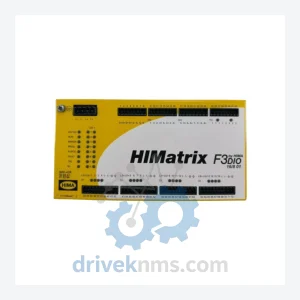
HIMA HIMatrix F35 011 Safety Controller – Obsolete HIMatrix Series Spare Part
HIMA HIMatrix F35 011 is listed for HIMatrix RFQ review. Confirm quantity, condition and destination before quotation.
RFQ-ready industrial model
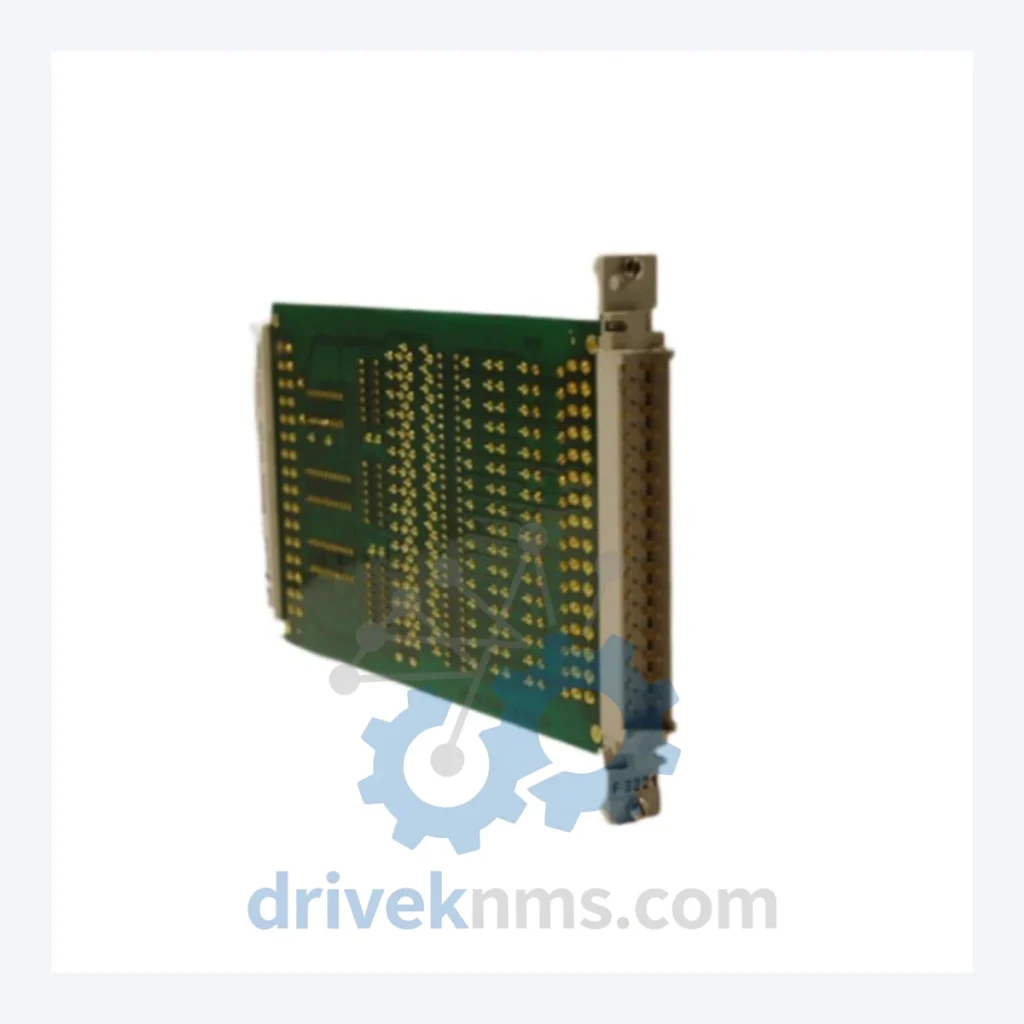
Model: F3221
Product Overview
Commercial availability is handled through direct RFQ, model verification and export-oriented follow-up rather than public cart checkout.
Datasheet Preview
Use attached product manuals when available. If the manual is not public yet, request the full file directly through RFQ.
Commercial Path
Product pages on DRIVEKNMS are designed to verify model, brand and series first, then move the buyer into one clean quotation path.
Technical Dossier
When a single input module fails inside a HIMA HIMatrix safety controller, the consequences extend far beyond a line stoppage. Facilities running SIL 2 or SIL 3 certified safety instrumented systems (SIS) face a stark choice: locate a verified replacement part, or commit to a full system migration that routinely costs USD 1–5 million in engineering, validation, re-certification, and lost production time. The HIMA F3221 is a discontinued digital input module that remains a load-bearing component in HIMatrix-based safety architectures deployed across oil & gas, chemical processing, and power generation facilities worldwide. DriveKNMS maintains limited RFQ-reviewed sourcing status of this module for facilities that cannot afford the alternative.
RFQ support for obsolete parts: Send the model number, required quantity and destination so DriveKNMS can confirm sourcing options before quotation.
| Parameter | Detail |
|---|---|
| Part Number | F3221 |
| Manufacturer | HIMA Paul Hildebrandt GmbH |
| Series | HIMatrix |
| Module Type | Digital Input Module |
| Country of Origin | Germany |
| Lifecycle Status | Discontinued / Obsolete |
| Typical Application | Safety Instrumented Systems (SIS), SIL 2 / SIL 3 architectures |
| Compatible Systems | HIMA HIMatrix safety controllers |
Note: Electrical parameters specific to this module variant are verified against physical units prior to shipment. No parameters are published here that have not been confirmed. Contact us for a full datasheet reference.
HIMA's HIMatrix platform was engineered for long-cycle industrial environments — nuclear, petrochemical, and offshore installations where a control system may remain in service for 20–30 years. The F3221 input module sits at the field interface layer of these architectures, receiving discrete signals from field instruments and transmitting them to the safety logic solver. Its removal from HIMA's active product catalog does not reduce its operational importance; it increases the risk exposure of every facility still running it.
Maintaining a verified spare F3221 on the shelf eliminates this exposure. A facility that holds two to three qualified spare modules can sustain its existing SIS architecture for an additional 8–12 years beyond the module's discontinuation date — deferring capital expenditure until a planned, budgeted migration cycle rather than an emergency one.
Sourcing discontinued safety-system components from unverified channels introduces failure modes that may not surface until a demand event — precisely when the module must perform. DriveKNMS applies a five-step qualification process to every F3221 unit before it leaves our facility:
Step 1 – Electrolytic Capacitor Inspection: Modules of this generation are susceptible to electrolytic capacitor degradation. Each unit undergoes visual and ESR (Equivalent Series Resistance) testing to identify capacitors approaching end-of-life before they cause field failures.
Step 2 – Firmware Version Verification: The firmware revision is confirmed and documented. Compatibility with the target HIMatrix system version is verified prior to shipment.
Q: How are RFQ terms confirmed?
A: Quantity, required condition, documentation needs, destination and sourcing route are confirmed during RFQ review before quotation.
Step 4 – Functional Bench Test: Where test fixtures are available, the module is powered and its I/O channels are exercised to confirm correct signal response.
Step 5 – Documentation Package: Each unit ships with a condition report, photographs, and traceability records. No unit is shipped without a completed inspection record.
The F3221 is a direct drop-in replacement for the same module position within the HIMatrix chassis. No changes to the safety application program are required when replacing a failed unit with a verified F3221 of the same firmware revision. This means:
For facilities managing multiple HIMatrix nodes across a site, a small strategic inventory of F3221 modules — typically two to four units — provides insurance against single-point failures that would otherwise trigger emergency procurement at premium cost, or worse, force an unplanned system outage.
The pressure to retire legacy safety systems is real, but the timeline is rarely driven by technical necessity alone. In most cases, it is driven by parts availability. When a critical module becomes unobtainable, the system becomes undefendable to auditors and insurers — not because it has failed, but because the recovery path has disappeared.
A structured spare parts strategy changes this dynamic. Facilities that identify their single-point-of-failure modules — those with no current-generation equivalent and no cross-compatible substitute — and secure RFQ-reviewed sourcing status of those specific parts, routinely extend operational system life by 5–10 years beyond the manufacturer's stated support end date.
The investment required is modest relative to the capital cost of the protected asset. A HIMatrix safety system representing USD 2–4 million in installed value can be kept in certified operation for an additional decade with a spare parts budget that is a small fraction of that figure. The key discipline is identifying the right parts before a failure event, not after.
Q: How is condition confirmed before quotation?
A: Available condition, photos, test records and documentation are checked according to the requested model and sourcing channel before a formal RFQ response.
Q: How do I know the unit is genuine and not a counterfeit?
A: All units are sourced through traceable channels. Physical markings, PCB revision codes, and component dates are cross-referenced against known-good references. Our inspection report is provided with every shipment.
Q: Can you source other discontinued HIMA modules?
A: Yes. Contact us with your full BOM or parts list and we will advise on availability across the HIMatrix and HIQuad product families.
Continue The Model Path
Move from this exact model into the matching system hub, brand archive, model-family archive or lifecycle sourcing route before sending a final RFQ list.
Related Paths
HIMA HIMatrix F35 011 is listed for HIMatrix RFQ review. Confirm quantity, condition and destination before quotation.
HIMA F2201 is listed for HIMatrix RFQ review. Confirm quantity, condition and destination before quotation.
HIMA F3417A is listed for HIMatrix RFQ review. Confirm quantity, condition and destination before quotation.