
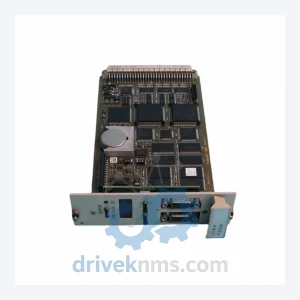
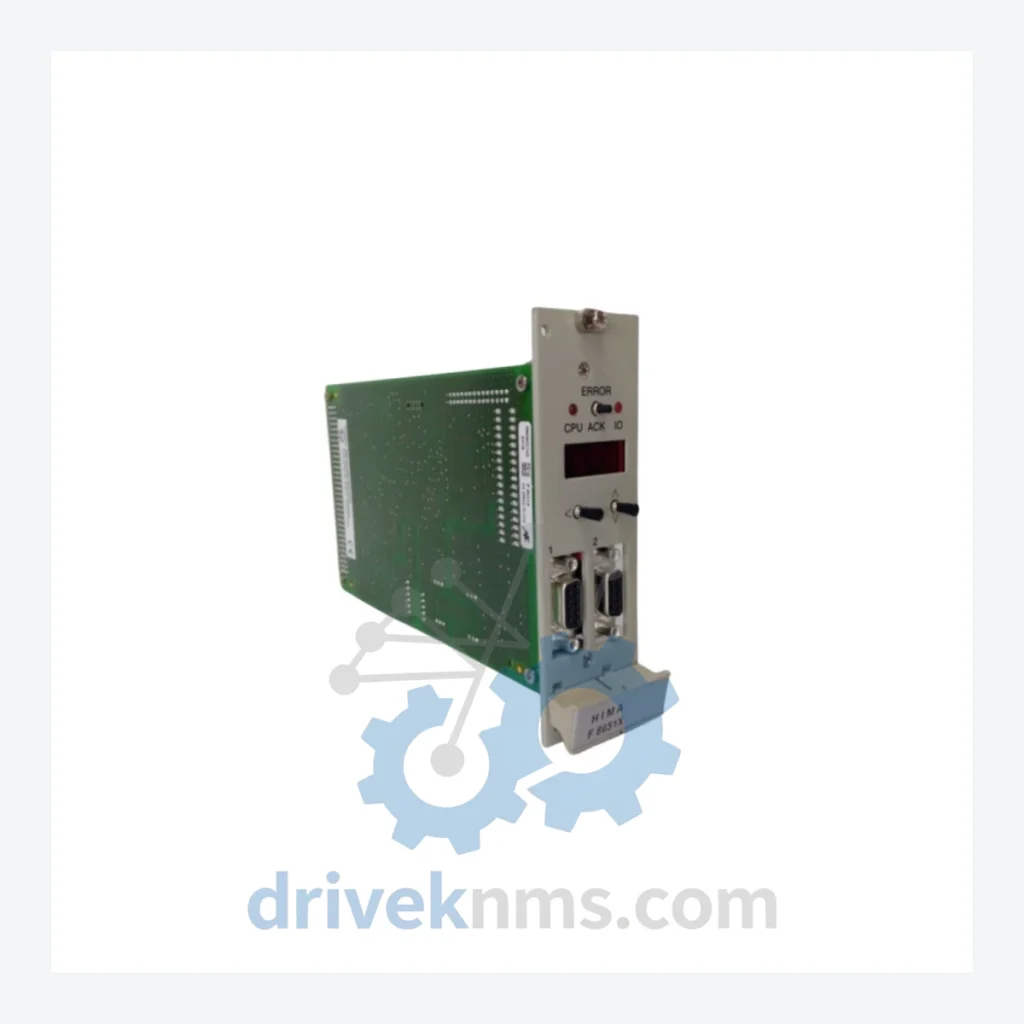
Hima F8652X Central Module – HIMax Series
HIMA F8652X is listed for HIMAX RFQ review. Confirm quantity, condition and destination before quotation.
RFQ-ready industrial model
Model: F60MI2401
Product Overview
Commercial availability is handled through direct RFQ, model verification and export-oriented follow-up rather than public cart checkout.
Datasheet Preview
Use attached product manuals when available. If the manual is not public yet, request the full file directly through RFQ.
Commercial Path
Product pages on DRIVEKNMS are designed to verify model, brand and series first, then move the buyer into one clean quotation path.
Technical Dossier
The HIMA F60MI2401 is a discontinued safety I/O module originally designed for HIMA's HIMax and H41q programmable electronic safety systems. DriveKNMS maintains verified inventory of this module, sourced through authorized industrial channels, enabling your maintenance team to execute a direct hardware replacement without triggering a system-wide engineering overhaul.
RFQ support for obsolete parts: Send the model number, required quantity and destination so DriveKNMS can confirm sourcing options before quotation.
Note: Specific electrical parameters are not published here to prevent misapplication. Please contact our technical team to confirm compatibility with your system revision and firmware version before ordering.
HIMA's HIMax and H41q platforms were deployed extensively across refineries, LNG terminals, offshore platforms, and chemical processing facilities throughout the 1990s and 2000s. Many of these installations remain fully operational — and for good reason. The capital cost of the underlying process equipment they protect runs into the tens of millions. Retiring a functional safety system simply because one I/O module is no longer catalogued by the OEM is not an engineering decision; it is a financial one, and rarely a favorable one.
DriveKNMS specializes in sourcing exactly these components. Our procurement network spans certified industrial surplus dealers, decommissioned plant asset sales, and OEM channel partners across Europe and Asia. When the standard supply chain ends, our sourcing capability begins.
Extending Asset Life by 5–10 Years: A Practical Strategy
For discontinued safety modules, condition verification is not optional — it is the entire basis of procurement confidence. DriveKNMS applies a 5-step QA protocol to every F60MI2401 unit before dispatch review:
Each unit ships with a condition report and traceability documentation. For safety-critical applications, we strongly recommend requesting full documentation at the time of inquiry.
Q: How are RFQ terms confirmed?
A: Quantity, required condition, documentation needs, destination and sourcing route are confirmed during RFQ review before quotation.
Q: How are commercial terms confirmed?
A: Commercial terms are confirmed during RFQ review based on model, quantity, destination, documentation and sourcing route.
Continue The Model Path
Move from this exact model into the matching system hub, brand archive, model-family archive or lifecycle sourcing route before sending a final RFQ list.
Related Paths
HIMA F8652X is listed for HIMAX RFQ review. Confirm quantity, condition and destination before quotation.
HIMA F3DIO 20/8 02 F3DIO20/802 is listed for HIMAX RFQ review. Confirm quantity, condition and destination before quotation.
HIMA HIMAX X-DI3201 is listed for HIMAX RFQ review. Confirm quantity, condition and destination before quotation.