
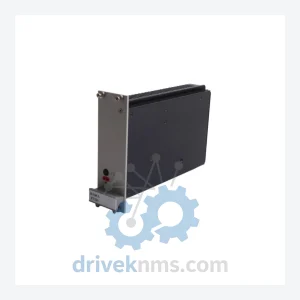
HIMA F Series Modules F7126 Power Supply
HIMA F7126 is listed for F Series RFQ review. Confirm quantity, condition and destination before quotation.
RFQ-ready industrial model
Model: F7130A
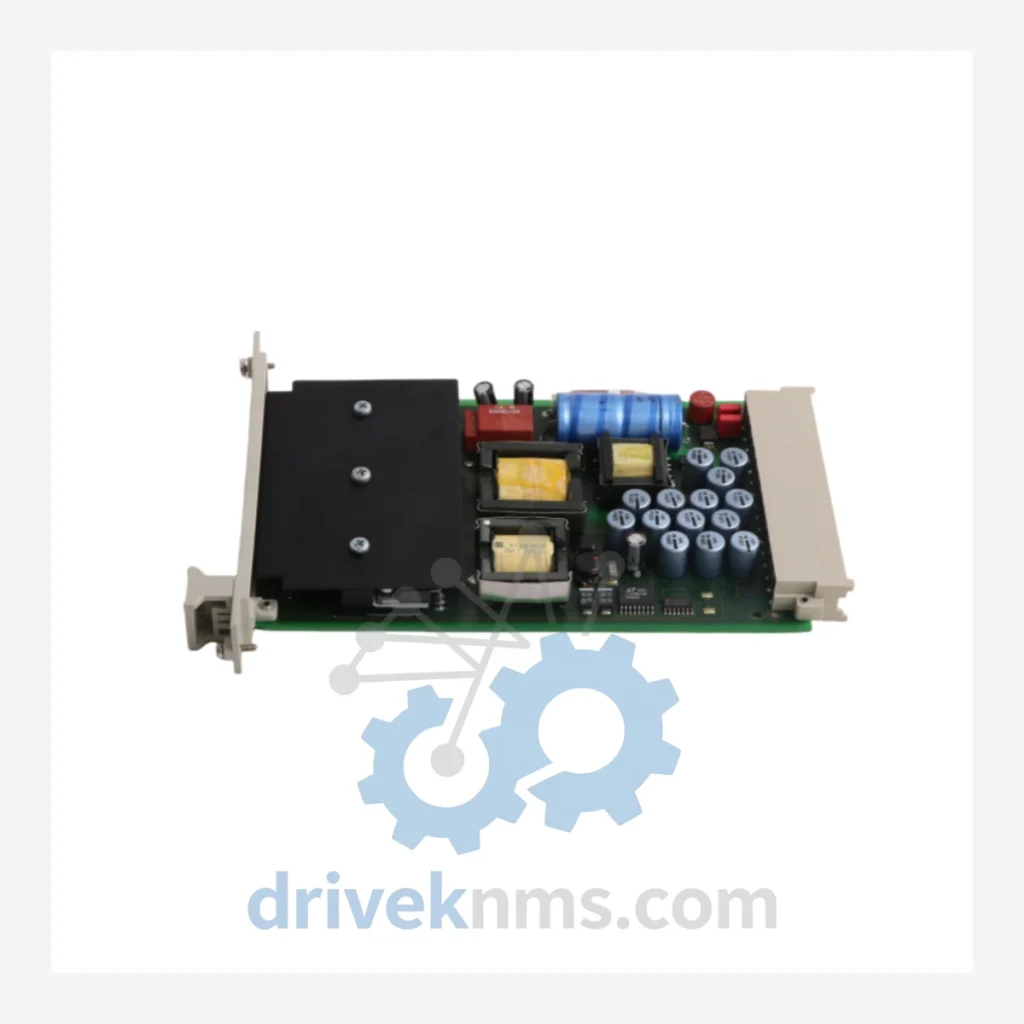
Product Overview
Commercial availability is handled through direct RFQ, model verification and export-oriented follow-up rather than public cart checkout.
Datasheet Preview
Use attached product manuals when available. If the manual is not public yet, request the full file directly through RFQ.
Commercial Path
Product pages on DRIVEKNMS are designed to verify model, brand and series first, then move the buyer into one clean quotation path.
Technical Dossier
The HIMA F71 Series represents one of the most widely deployed safety programmable logic controller (SLC) platforms in global heavy industry. Installed across petrochemical complexes, nuclear power stations, offshore platforms, and refinery process units, the F71 architecture is certified to IEC 61508 SIL 3 and has accumulated decades of field-proven operational history in environments where functional safety is non-negotiable. Its modular backplane design allows system integrators to configure redundant CPU, I/O, power, and communication layers within a single rack, making it the reference platform for safety instrumented systems (SIS) in facilities governed by IEC 61511 and NFPA 72 standards. The F71 Series remains active in maintenance and spare parts cycles at thousands of installations worldwide, with a significant installed base in the Middle East, Europe, and Asia-Pacific refining sectors.
The HIMA F71 platform was introduced as part of HIMA's second-generation safety controller family, succeeding the earlier H41/H51 relay-based systems. The F71 architecture introduced a fully digital, microprocessor-based safety execution environment with deterministic scan cycles and hardware-enforced redundancy. Early F71 variants operated on proprietary HIMA bus protocols with parallel backplane addressing; subsequent revisions introduced ELOP II as the primary engineering environment, enabling structured text and function block programming compliant with IEC 61131-3.
As the platform matured through the 1990s and 2000s, HIMA expanded the F71 catalog to include high-density I/O modules, fiber-optic communication adapters, and hot-standby CPU configurations. The introduction of the HIMatrix and HIMax platforms in the 2010s represented HIMA's next-generation architecture, but the F71 installed base remained too large for rapid migration. Many end users operating F71 systems under long-term service agreements (LTSA) continue to source spare modules to extend operational life by 10–20 years beyond the platform's original design horizon. Compatibility between F71 sub-generations requires careful firmware and backplane revision matching; mixing incompatible module revisions is a documented failure mode that DriveKNMS engineering staff screen for during sourcing.
The following SKUs represent verified, commonly sourced modules within the HIMA F71 Series. Modules are classified by functional category.
Power Supply Modules
Central Processing Unit (CPU) Modules
Digital Input (DI) Modules
Digital Output (DO) Modules
Analog Input (AI) Modules
Communication & Network Adapter Modules
The F71 Series employs a proprietary backplane bus protocol with time-multiplexed addressing. Standard bench power-up testing is insufficient to validate module integrity for safety-critical applications. DriveKNMS applies a structured test protocol specific to F71 hardware:
Continue The Model Path
Move from this exact model into the matching system hub, brand archive, model-family archive or lifecycle sourcing route before sending a final RFQ list.
Related Paths
HIMA F7126 is listed for F Series RFQ review. Confirm quantity, condition and destination before quotation.
HIMA F3349 984334902 is listed for Monitoring Systems RFQ review. Confirm quantity, condition and destination before quotation.
HIMA F7541 is listed for PLANAR4 Safety System RFQ review. Confirm quantity, condition and destination before quotation.