
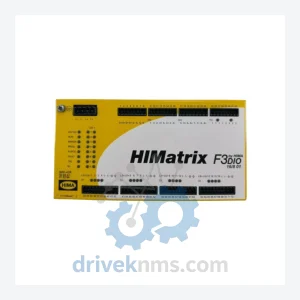
HIMA HIMatrix F35 011 Safety Controller – Obsolete HIMatrix Series Spare Part
HIMA HIMatrix F35 011 is listed for HIMatrix RFQ review. Confirm quantity, condition and destination before quotation.
RFQ-ready industrial model
Model: F7553
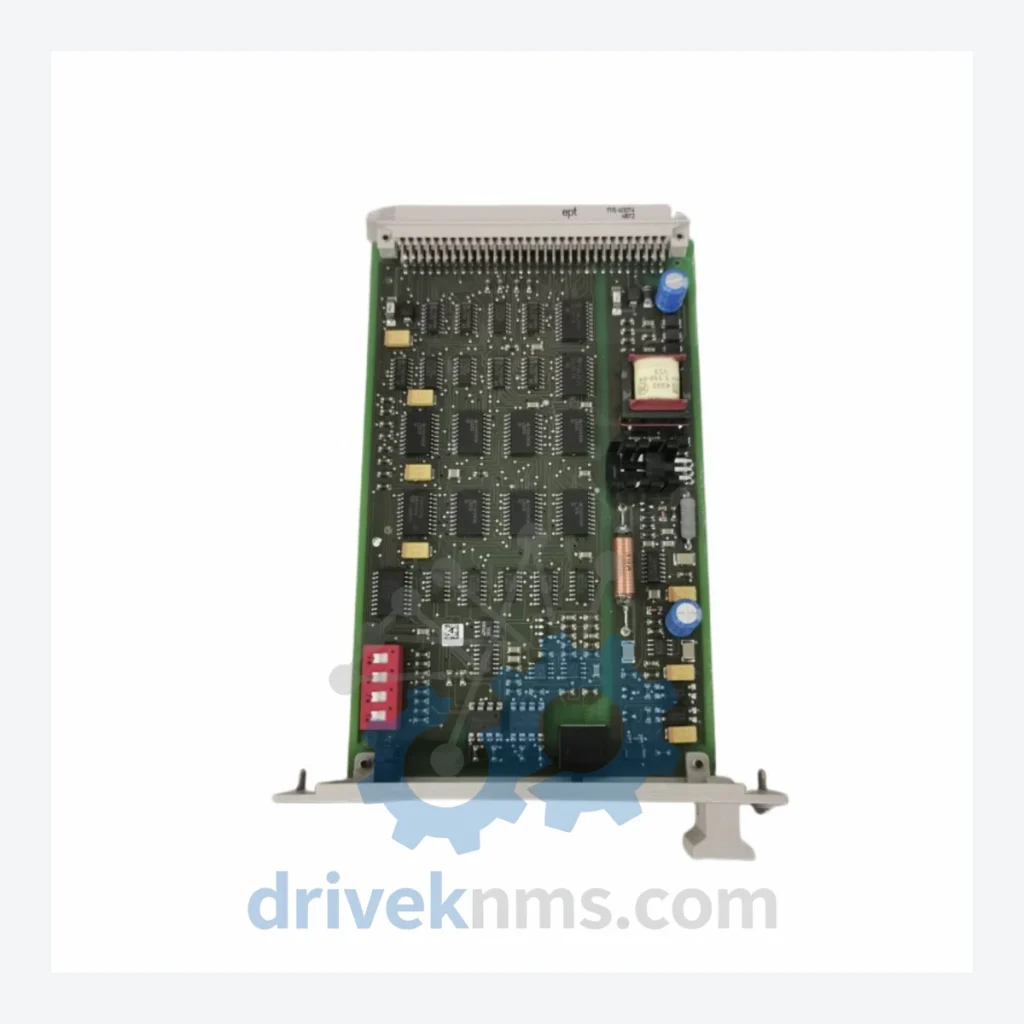
Product Overview
Commercial availability is handled through direct RFQ, model verification and export-oriented follow-up rather than public cart checkout.
Datasheet Preview
Use attached product manuals when available. If the manual is not public yet, request the full file directly through RFQ.
Commercial Path
Product pages on DRIVEKNMS are designed to verify model, brand and series first, then move the buyer into one clean quotation path.
Technical Dossier
RFQ support for obsolete parts: Send the model number, required quantity and destination so DriveKNMS can confirm sourcing options before quotation.
| Parameter | Detail |
|---|---|
| Part Number | F7553 |
| Manufacturer | HIMA Paul Hildebrandt GmbH |
| Series | HIMatrix |
| Module Type | Coupling Module |
| Country of Origin | Germany |
| Discontinuation Status | Discontinued / Obsolete – No longer in HIMA active production |
| Compatible Systems | HIMA HIMatrix safety controllers (F-series configurations) |
| Certifications | Designed for use in SIL-rated safety instrumented systems (SIS) |
Note: Electrical parameters such as voltage ratings, current draw, and bus specifications are not published here to prevent misapplication. Contact our technical team for verified datasheet documentation before ordering.
The HIMA HIMatrix platform was widely deployed across oil & gas, chemical processing, and power generation facilities throughout the 1990s and 2000s. Its deterministic safety logic and proven field reliability made it a standard choice for Safety Instrumented Systems (SIS) requiring IEC 61508 compliance. The F7553 coupling module serves as the communication backbone between HIMatrix controller nodes — without it, the entire safety loop loses integrity.
HIMA's transition to the HIMax and HIQuad+ platforms left a significant installed base of HIMatrix systems without a direct upgrade path that preserves existing I/O wiring, logic programs, and SIL validation documentation. For plant managers operating under tight capital budgets, the practical strategy is not replacement — it is asset life extension through verified spare parts procurement.
DriveKNMS sources F7553 units through controlled industrial asset recovery channels, including decommissioned plant equipment, certified surplus distributors, and direct factory-adjacent inventory. Each unit is individually assessed before listing.
Discontinued hardware carries inherent aging risks that new-production components do not. Our 5-step QA protocol addresses the failure modes most commonly observed in legacy safety modules:
Condition grades (New Surplus, Tested Refurbished, or As-Removed) are disclosed at the time of quotation. We do not list units without a defined condition classification.
The decision to extend the operational life of a legacy safety system is not a compromise — it is a capital allocation strategy. For facilities where the HIMatrix platform is embedded in a validated SIS, the following approach has been applied successfully by maintenance and reliability teams across multiple industries:
3. Implement a Scheduled Inspection Cycle: Legacy safety modules should be included in a periodic inspection program — not just replaced reactively. Capacitor health, connector integrity, and firmware version should be documented on a defined schedule.
4. Document Your Sourcing Chain: Regulatory auditors increasingly scrutinize the provenance of spare parts used in SIS maintenance. Maintain records of supplier qualifications, unit condition grades, and test documentation for every critical spare procured from the secondary market.
5. Plan the Migration on Your Timeline: Life extension is not indefinite. A structured 5–10 year extension window, supported by verified spare parts, gives your organization the time to plan, budget, and execute a controlled migration — rather than responding to a forced outage.
Q: How is condition confirmed before quotation?
A: Available condition, photos, test records and documentation are checked according to the requested model and sourcing channel before a formal RFQ response.
Q: How are RFQ terms confirmed?
A: Quantity, required condition, documentation needs, destination and sourcing route are confirmed during RFQ review before quotation.
Q: Can export requirements be reviewed?
A: Destination, documentation and routing requirements are confirmed during RFQ review.
Continue The Model Path
Move from this exact model into the matching system hub, brand archive, model-family archive or lifecycle sourcing route before sending a final RFQ list.
Related Paths
HIMA HIMatrix F35 011 is listed for HIMatrix RFQ review. Confirm quantity, condition and destination before quotation.
HIMA F3417A is listed for HIMatrix RFQ review. Confirm quantity, condition and destination before quotation.
HIMA F2201 is listed for HIMatrix RFQ review. Confirm quantity, condition and destination before quotation.