
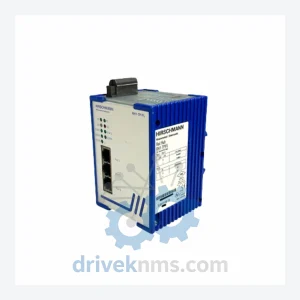
Hirschmann RH1-TP/FL Industrial Ethernet Rail Hub – RS Series
Hirschmann RH1-TP/FL is listed for RS Series RFQ review. Confirm quantity, condition and destination before quotation.
RFQ-ready industrial model
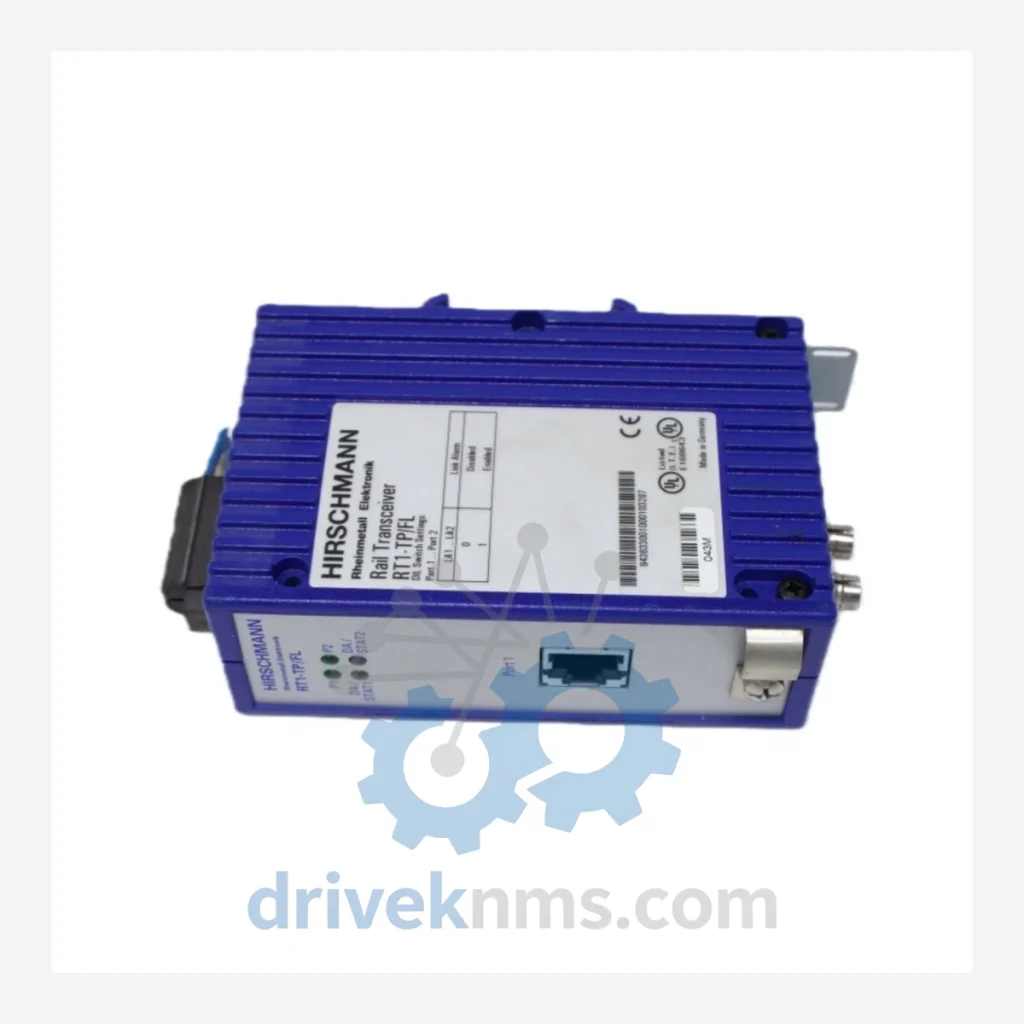
Model: RT1-TP/FL
Product Overview
Commercial availability is handled through direct RFQ, model verification and export-oriented follow-up rather than public cart checkout.
Datasheet Preview
Use attached product manuals when available. If the manual is not public yet, request the full file directly through RFQ.
Commercial Path
Product pages on DRIVEKNMS are designed to verify model, brand and series first, then move the buyer into one clean quotation path.
Technical Dossier
RFQ support for obsolete parts: Send the model number, required quantity and destination so DriveKNMS can confirm sourcing options before quotation.
| Parameter | Detail |
|---|---|
| Part Number | RT1-TP/FL |
| Manufacturer | Hirschmann (Belden) |
| Series | Rail Series (RT) |
| Function | 10BASE-T (TP) to 10BASE-FL (Fiber) Media Conversion |
| Connector – Copper Port | RJ45 |
| Connector – Fiber Port | ST (BFOC) |
| Fiber Type | Multimode (62.5/125 µm) |
| Data Rate | 10 Mbps (Ethernet) |
| Mounting | DIN Rail |
| Country of Origin | Germany |
| Product Status | Discontinued / Obsolete – No longer manufactured |
| Typical Legacy System Compatibility | Hirschmann Rail Hub RH2, RH4; early Siemens SINEC H1 networks; ABB Advant OCS field bus segments; Honeywell TDC 3000 plant LAN extensions |
The RT1-TP/FL was engineered for the first generation of industrial Ethernet — a period when 10 Mbps copper-to-fiber conversion was the backbone of plant-wide SCADA and DCS communications. Hirschmann's Rail series became deeply embedded in petrochemical refineries, automotive body shops, power generation facilities, and water treatment plants throughout the 1990s and early 2000s.
Hirschmann has long since discontinued the RT1-TP/FL, and Belden — which acquired Hirschmann — does not offer a direct drop-in successor that preserves the original DIN-rail footprint, ST fiber connector, and 10BASE-T copper interface simultaneously. Replacing this converter with a modern device requires physical re-cabling, fiber connector changes, and — critically — re-validation of the network segment within the DCS or SCADA system. In a regulated environment (pharmaceutical, nuclear, oil & gas), that re-validation alone can take 6–18 months and cost more than the original plant network installation.
For plant managers facing this reality, the calculus is straightforward: a verified spare RT1-TP/FL purchased today extends the operational life of the existing network by 5–10 years at a fraction of the cost of a forced upgrade. The strategic approach is to secure 2–3 units as cold spares, document their firmware version, and store them in a controlled environment. This converts an unplanned emergency into a managed maintenance event.
DriveKNMS applies a 5-step QA protocol to all obsolete hardware before dispatch review:
Condition grade (New, Refurbished-Grade A, or Tested-Pull) is disclosed on the invoice and confirmed before order confirmation.
Continue The Model Path
Move from this exact model into the matching system hub, brand archive, model-family archive or lifecycle sourcing route before sending a final RFQ list.
Related Paths
Hirschmann RH1-TP/FL is listed for RS Series RFQ review. Confirm quantity, condition and destination before quotation.
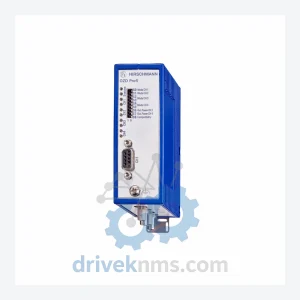
Hirschmann OZD PROFI 12M G12-1300 PRO is listed for Communication Modules RFQ review. Confirm quantity, condition and destination before quotation.
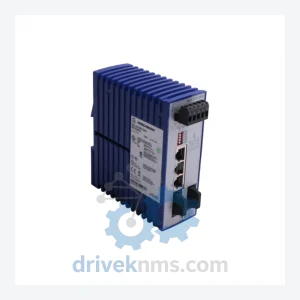
Hirschmann RS2-3TX'2FX EEC is listed for RS2 Series RFQ review. Confirm quantity, condition and destination before quotation.