Hitachi

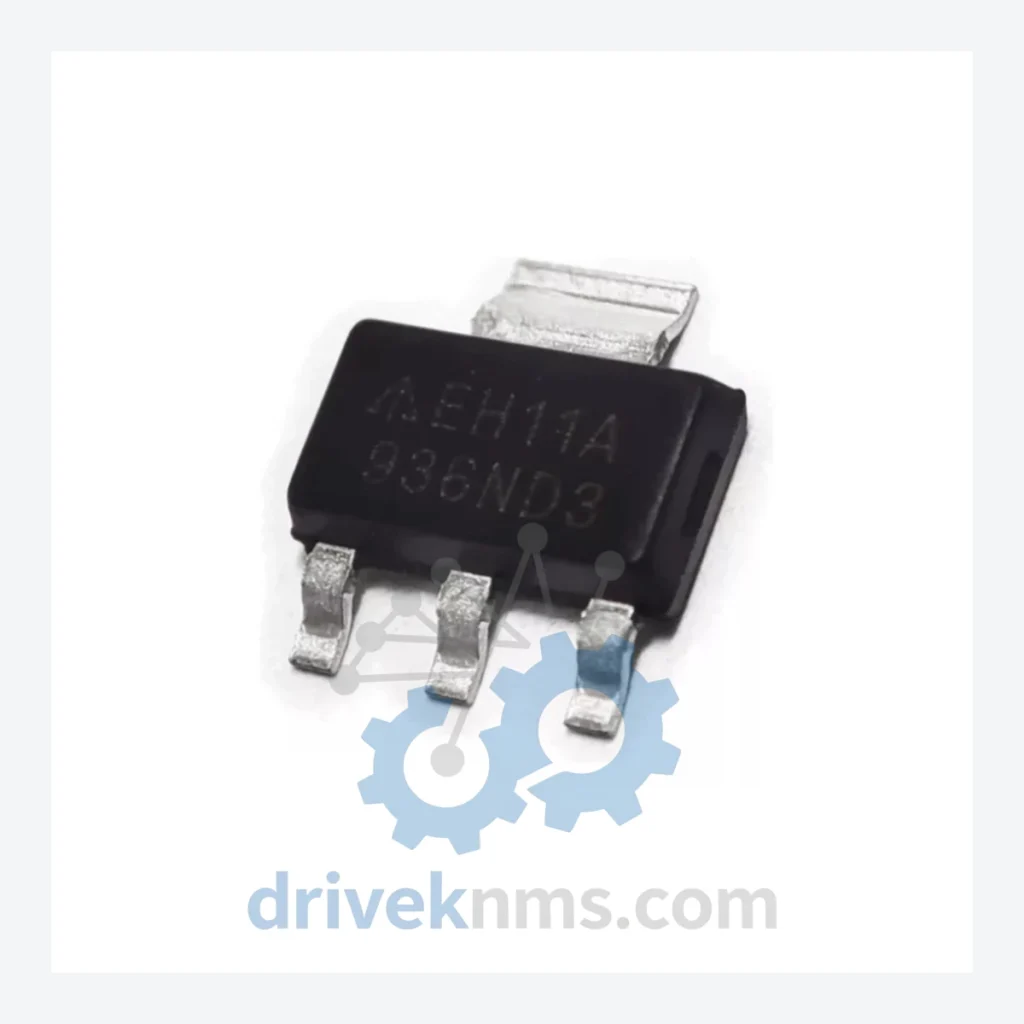
Hitachi AEH011A Integrated Circuit – Obsolete Spare Part

Model: AEH011A

Brand Hitachi
Series Pending
Model AEH011A
RFQ-ready model route Obsolete and surplus sourcing Export follow-up by model list

Product Overview

Commercial availability is handled through direct RFQ, model verification and export-oriented follow-up rather than public cart checkout.

Datasheet Preview

Datasheet Preview

Use attached product manuals when available. If the manual is not public yet, request the full file directly through RFQ.

Request Full Manual

Commercial Path

Use This Page To Confirm The Model, Then Move To RFQ

Product pages on DRIVEKNMS are designed to verify model, brand and series first, then move the buyer into one clean quotation path.

Technical Dossier

Product Details And Specifications

Hitachi AEH011A Integrated Circuit – Obsolete Spare Part

When a critical IC module fails on an aging production line, the financial exposure is rarely limited to the cost of the component itself. A single unplanned shutdown can cascade into days of lost throughput, emergency engineering assessments, and — in the worst case — a forced migration to a new control platform that carries a seven-figure price tag. The Hitachi AEH011A is a discontinued integrated circuit that remains embedded in legacy automation and control systems across manufacturing facilities worldwide. DriveKNMS maintains verified stock of this component specifically to serve facilities that cannot afford the disruption of a full system overhaul.

If your maintenance team is managing aging Hitachi-based control hardware and this IC is on your critical spares list, act before the next failure event — not after.

Technical Specifications

Manufacturer Hitachi
Part Number AEH011A
Component Category Integrated Circuit (IC)
Country of Origin Japan
Lifecycle Status Discontinued / Obsolete
Typical Application Industrial control systems, legacy automation hardware
Replacement Availability No direct OEM replacement; DriveKNMS stocks verified units

Note: Electrical parameters for this obsolete component are not published here to prevent misapplication. Contact our technical team for specification verification prior to installation.

Solving the Discontinued Hardware Crisis

The Hitachi AEH011A was designed for integration into industrial control and automation platforms during an era when Hitachi held a significant position in factory automation hardware. Systems built around this IC were engineered for decade-long service cycles — and many of them are still running. The problem is that the supply chain supporting these components dried up years ago.

Plant managers facing end-of-life hardware decisions are typically presented with two options: source the original component and extend the system's operational life, or commit to a full platform migration. The migration path is rarely straightforward. It involves not just hardware replacement but firmware re-engineering, operator retraining, production downtime, and integration testing — costs that routinely exceed initial project estimates by 30–60%.

Sourcing a verified AEH011A from DriveKNMS represents a third path: targeted component-level repair that restores system function without touching the surrounding architecture. For facilities running Hitachi-based legacy control systems, this approach has extended operational asset life by 5 to 10 years in documented cases — at a fraction of the cost of platform migration.

How to extend your automation asset life by 5–10 years through critical spare parts management:

  • Identify single-point-of-failure components in your legacy control systems — ICs, power modules, and communication cards that have no modern equivalent and no redundancy.
  • Establish a minimum stock level for each identified critical component. For low-volume, high-impact parts like the AEH011A, holding 2–3 units on-site eliminates the risk of extended lead times during a failure event.
  • Document firmware and configuration states before any component swap. For IC-level replacements, this is the single most important step in ensuring continuity of system behavior.
  • Engage specialist distributors early. Obsolete component availability is not stable. Stock that exists today may not exist in 12 months. Procurement decisions made reactively — after a failure — carry a significant price premium and no guarantee of supply.
  • Schedule proactive inspections of aging IC boards for early signs of electrolytic capacitor degradation, pin corrosion, and thermal stress damage. Catching these issues before failure avoids unplanned downtime entirely.

Condition & Reliability Assurance

Sourcing obsolete components from the secondary market carries inherent risk. DriveKNMS applies a structured 5-step quality assurance process to every unit before it leaves our facility:

  • Step 1 – Visual Inspection: Full examination of package integrity, pin condition, and marking authenticity. Units with evidence of remarking, pin straightening, or physical damage are rejected at this stage.
  • Step 2 – Electrolytic Capacitor Assessment: For board-level components, aging electrolytic capacitors are the most common failure mode in long-stored inventory. We assess for visible bulging, leakage, and ESR deviation where applicable.
  • Step 3 – Pin and Contact Integrity: All contact surfaces are inspected for oxidation, corrosion, and mechanical deformation. Affected units are either remediated to specification or removed from saleable stock.
  • Step 4 – Firmware and Marking Verification: Where applicable, firmware version and internal markings are cross-referenced against known-good references to confirm authenticity and revision compatibility.
  • Step 5 – Functional Verification: Units are tested under controlled conditions prior to shipment. Test records are available upon request for critical procurement decisions.

Key Features for System Maintenance

  • Drop-in replacement: The AEH011A is a direct substitution for the original component position. No board modification, no re-engineering of surrounding circuitry.
  • No reprogramming required: Unlike platform-level replacements, IC-level substitution at this level does not require system reconfiguration or software changes in most applications.
  • Avoids engineering reconstruction costs: Replacing a single IC versus migrating an entire control platform eliminates the need for system integrator engagement, extended commissioning periods, and production line qualification runs.
  • Preserves validated system state: Your existing control system has been tuned, validated, and certified for your process. Keeping it operational with verified spare parts protects that investment.

FAQ

What warranty applies to obsolete parts like the AEH011A?
DriveKNMS provides a 90-day warranty against defects in material and workmanship on all tested components. Extended warranty terms are available for volume procurement agreements — contact our sales team to discuss.

How do I confirm the unit is genuine and not a counterfeit?
Every AEH011A unit we supply has passed our 5-step QA process, which includes marking verification and functional testing. Documentation is available upon request. We do not sell remarked or untested components.

Should I buy more than one unit?
For obsolete components with no active production, holding a minimum of 2–3 units is standard practice in industrial maintenance. Once current stock is depleted, resupply timelines are unpredictable. We recommend assessing your system's dependency on this component and procuring accordingly.

What is the lead time?
In-stock units ship within 2–3 business days. Contact us to confirm current availability before placing a critical order.

Can you source additional quantity if I need more than you have listed?
Yes. DriveKNMS operates an active sourcing network for obsolete industrial components. Submit your requirement and we will provide a sourcing timeline and availability assessment.

WhatsApp Prefilled Inquiry Email [email protected] Phone +86 18359293191 Top Back To Top