
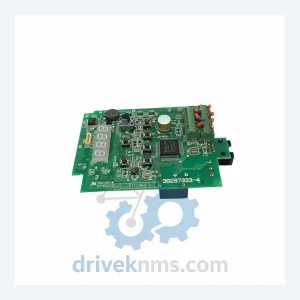
Hitachi 3B287333-4
Hitachi 3B287333-4 is listed for Monitoring Systems RFQ review. Confirm quantity, condition and destination before quotation.
RFQ-ready industrial model
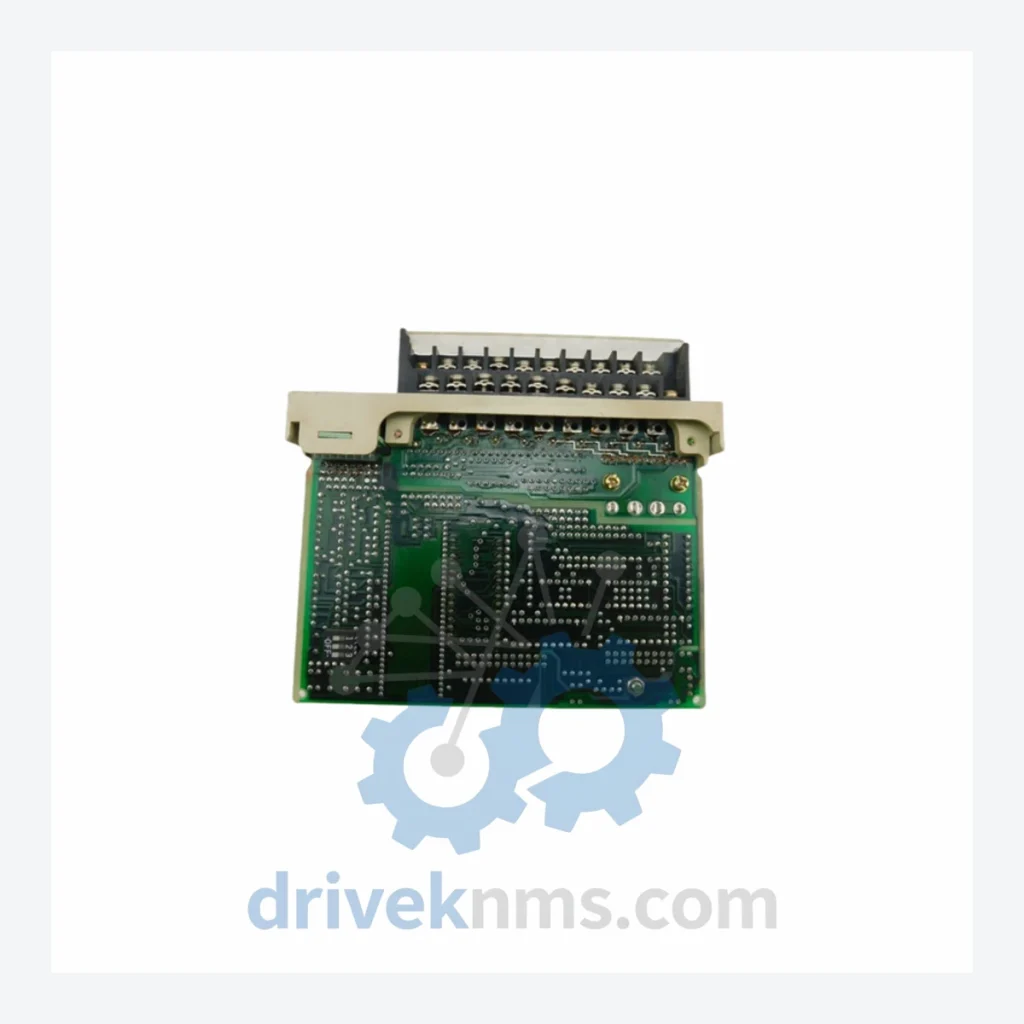
Model: CTM 33018818-4CTM TPB-J.VO
Product Overview
Commercial availability is handled through direct RFQ, model verification and export-oriented follow-up rather than public cart checkout.
Datasheet Preview
Use attached product manuals when available. If the manual is not public yet, request the full file directly through RFQ.
Commercial Path
Product pages on DRIVEKNMS are designed to verify model, brand and series first, then move the buyer into one clean quotation path.
Technical Dossier
RFQ support for obsolete parts: Send the model number, required quantity and destination so DriveKNMS can confirm sourcing options before quotation.
| Parameter | Detail |
|---|---|
| Manufacturer | Hitachi |
| Part Number | CTM 33018818-4CTM TPB-J.VO |
| Module Type | Counter Input Card |
| Series | Hitachi H Series Programmable Controller |
| Country of Origin | Japan |
| Production Status | Discontinued / Obsolete |
| Typical Application | High-speed pulse counting, encoder feedback, frequency measurement in legacy PLC systems |
| Compatibility | Hitachi H Series PLC backplane systems |
The Hitachi H Series was widely deployed across manufacturing, utilities, and process industries throughout the 1990s and 2000s. Counter Input Cards like the CTM 33018818-4CTM serve a specific and non-negotiable function: they interface directly with rotary encoders, proximity sensors, and pulse-generating field devices to deliver real-time count data to the controller. There is no generic substitute that slots into the same backplane position and communicates over the same internal bus without firmware-level reconfiguration — and in many cases, without a full system redesign.
How to extend your Hitachi H Series system life by 5 to 10 years:
Obsolete modules sourced from secondary markets carry inherent risk. DriveKNMS applies a structured 5-step quality process to every unit before dispatch review:
Continue The Model Path
Move from this exact model into the matching system hub, brand archive, model-family archive or lifecycle sourcing route before sending a final RFQ list.
Related Paths
Hitachi 3B287333-4 is listed for Monitoring Systems RFQ review. Confirm quantity, condition and destination before quotation.
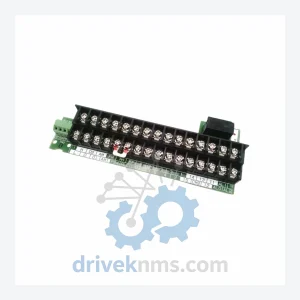
Hitachi SJ300TM 3B295619-3 is listed for Monitoring Systems RFQ review. Confirm quantity, condition and destination before quotation.
Hitachi LYD105A/LYD10 is listed for Monitoring Systems RFQ review. Confirm quantity, condition and destination before quotation.