
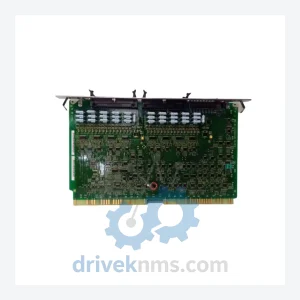
Hitachi LCE250B Communication Board – Obsolete Elevator Control Spare Part
Hitachi LCE250B is listed for Elevator Control RFQ review. Confirm quantity, condition and destination before quotation.
RFQ-ready industrial model
Model: LCE250A
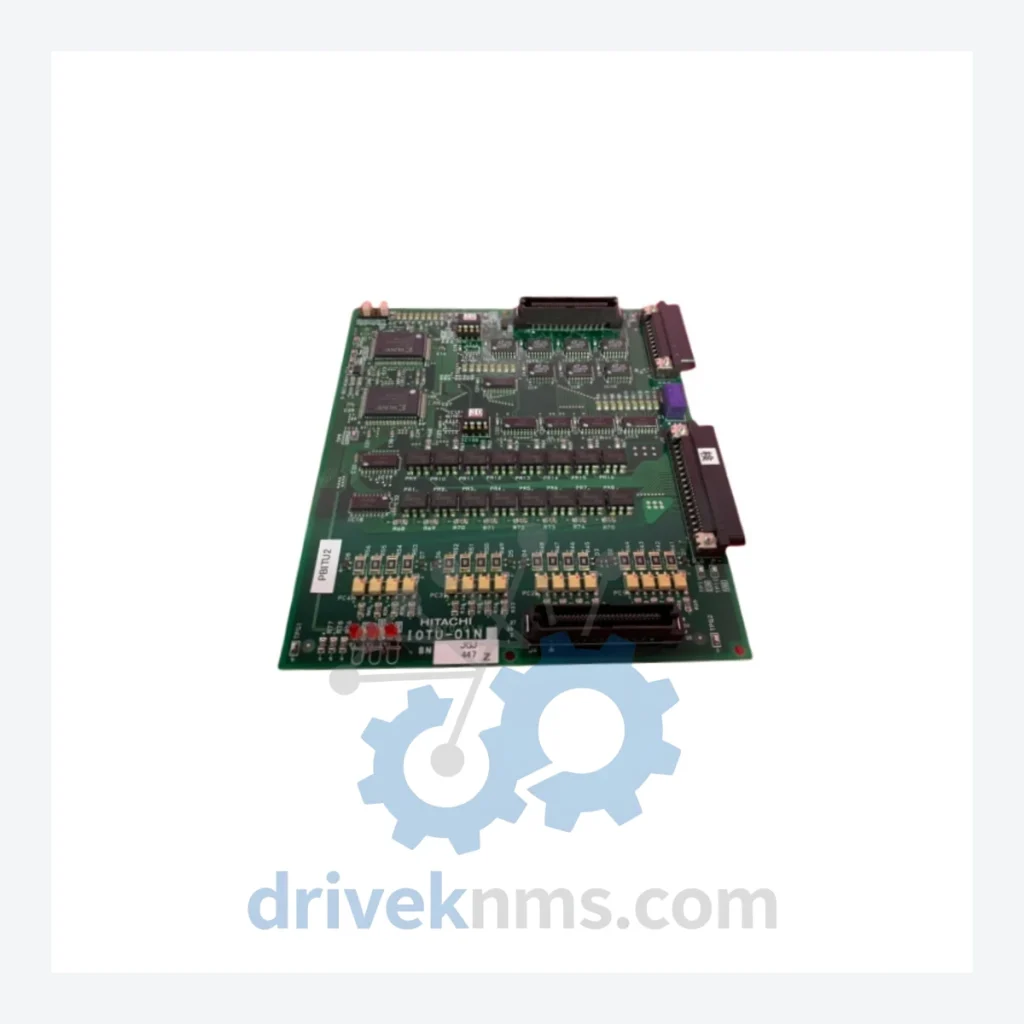
Product Overview
Commercial availability is handled through direct RFQ, model verification and export-oriented follow-up rather than public cart checkout.
Datasheet Preview
Use attached product manuals when available. If the manual is not public yet, request the full file directly through RFQ.
Commercial Path
Product pages on DRIVEKNMS are designed to verify model, brand and series first, then move the buyer into one clean quotation path.
Technical Dossier
RFQ support for obsolete parts: Send the model number, required quantity and destination so DriveKNMS can confirm sourcing options before quotation.
Note: Electrical parameters are not published here to prevent misapplication. Contact our technical team for specification verification prior to ordering.
Q: How are RFQ terms confirmed?
A: Quantity, required condition, documentation needs, destination and sourcing route are confirmed during RFQ review before quotation.
Extending the operational life of a Hitachi LCE-series elevator system by 5 to 10 years through targeted spare part replacement is a documented, cost-effective strategy. The capital cost of a verified LCE250A replacement module is a fraction of what a full system overhaul demands. For plant managers and facilities directors operating under constrained maintenance budgets, this is not a workaround — it is sound asset management. A single LCE250A in reserve eliminates the risk of an unplanned shutdown cascading into a regulatory compliance issue or a liability event in high-traffic buildings.
The practical approach for facilities carrying aging Hitachi elevator systems is to maintain a minimum of one spare LCE250A per installed unit. Given the tightening global supply of this module, procurement windows are narrowing. Waiting until failure occurs is the highest-cost strategy available.
Every LCE250A unit processed by DriveKNMS undergoes a structured 5-step quality assurance protocol before dispatch:
Q: How do I know the unit is genuine and not a counterfeit?
A: All units are sourced through verified industrial surplus channels and inspected against known-good reference units. Hitachi part markings, board revision codes, and component layouts are cross-checked during intake. We do not source from unverified secondary markets.
Q: Can you support multi-unit or repeat RFQ requests?
A: Yes. Send the model list, target quantity and destination so DRIVEKNMS can review sourcing options and quote the requirement as a project RFQ.
Q: Can export requirements be reviewed?
A: Destination, documentation and routing requirements are confirmed during RFQ review.
Continue The Model Path
Move from this exact model into the matching system hub, brand archive, model-family archive or lifecycle sourcing route before sending a final RFQ list.
Related Paths
Hitachi LCE250B is listed for Elevator Control RFQ review. Confirm quantity, condition and destination before quotation.
Hitachi LYD105A is listed for LY Series RFQ review. Confirm quantity, condition and destination before quotation.
Hitachi LPU650A LPU607/A is listed for HIZAC Series RFQ review. Confirm quantity, condition and destination before quotation.