
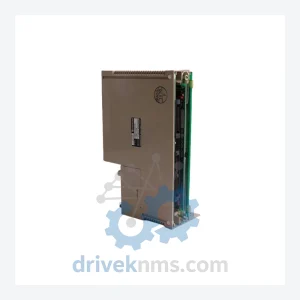
Hitachi LPD Series Modules LPD150A
Hitachi LPD150A is listed for LPD Series RFQ review. Confirm quantity, condition and destination before quotation.
RFQ-ready industrial model
Model: LPD200A
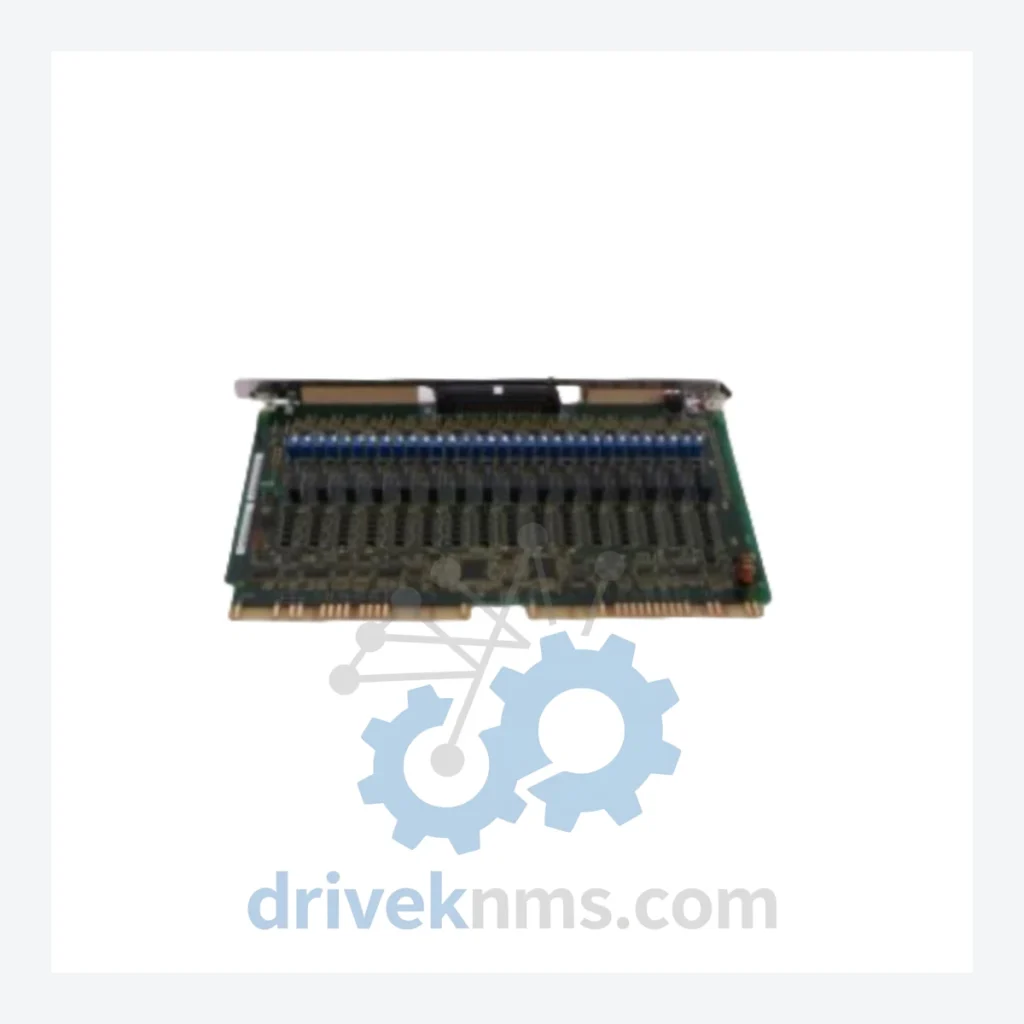
Product Overview
Commercial availability is handled through direct RFQ, model verification and export-oriented follow-up rather than public cart checkout.
Datasheet Preview
Use attached product manuals when available. If the manual is not public yet, request the full file directly through RFQ.
Commercial Path
Product pages on DRIVEKNMS are designed to verify model, brand and series first, then move the buyer into one clean quotation path.
Technical Dossier
The HITACHI LPD Series represents a core family of programmable logic controller (PLC) I/O modules deployed extensively across global heavy industry verticals, including petrochemical refineries, nuclear power generation facilities, chemical processing plants, and continuous-process manufacturing environments. Engineered under HITACHI's industrial automation division, LPD Series modules were designed to interface directly with HITACHI's H-series and EH-series PLC backplane architectures, providing deterministic digital output control in safety-critical and high-availability applications. Installed base records indicate significant deployment across Asia-Pacific, Middle East, and European industrial infrastructure, where long equipment lifecycles of 15–25 years make spare parts availability a persistent operational requirement.
The LPD Series was introduced as part of HITACHI's modular PLC expansion strategy during the late 1980s and matured through the 1990s alongside the EH-150 and EH-300 controller platforms. Early LPD modules utilized parallel backplane communication with fixed-address slot assignment, requiring manual DIP-switch configuration for I/O mapping. Mid-generation revisions introduced improved optical isolation on output channels, raising common-mode rejection and reducing susceptibility to ground loop interference in high-noise industrial environments.
By the early 2000s, HITACHI transitioned its primary development focus toward the EH-A and EHV series platforms, placing the LPD family into a maintenance-only lifecycle phase. Compatibility constraints are a known integration challenge: LPD modules are electrically and mechanically specific to their designated backplane generations and are not hot-swap compatible with newer HITACHI EH-ETH or EH-OB series racks without adapter hardware. Engineers maintaining legacy LPD-based systems must account for firmware version alignment between the CPU module and I/O expansion racks to avoid address mapping conflicts.
The following SKUs represent verified models within the HITACHI LPD Series. Each entry reflects a distinct functional role within the PLC I/O architecture:
LPD200A: Digital output module, 16-point, transistor sink type, 24VDC load
LPD201A: Digital output module, 16-point, transistor source type, 24VDC load
LPD202A: Digital output module, 32-point, transistor sink type, high-density I/O expansion
LPD203A: Digital output module, 32-point, transistor source type, 24VDC
LPD100A: Digital input module, 16-point, 24VDC DC input, sink/source compatible
LPD101A: Digital input module, 32-point, 24VDC, high-density configuration
LPD102A: Digital input module, 16-point, 100–120VAC input, isolated
LPD103A: Digital input module, 16-point, 200–240VAC input, isolated
LPD300A: Relay output module, 16-point, Form A contacts, 250VAC/2A per point
LPD301A: Relay output module, 8-point, Form C contacts, 250VAC/2A, mixed load
LPD400A: Analog input module, 4-channel, 4–20mA / 0–10V selectable
LPD401A: Analog input module, 8-channel, 12-bit resolution, 4–20mA
LPD402A: Analog output module, 4-channel, 4–20mA / 0–10V, 12-bit DAC
LPD500A: Communication adapter module, RS-232C/RS-485, HITACHI proprietary protocol
LPD501A: Communication adapter module, RS-485 multi-drop, Modbus RTU support
LPD600A: Power supply module, 24VDC input, rack-mount, 5A rated output for I/O bus
LPD601A: Power supply module, 100–240VAC input, universal voltage, 5A I/O bus output
LPD700A: Interrupt input module, 8-point, high-speed event capture, 0.1ms response
LPD Series modules present specific test challenges due to their backplane-dependent communication architecture and age-related component degradation patterns. DriveKNMS applies a structured inspection and functional verification protocol to all LPD units prior to dispatch:
Continue The Model Path
Move from this exact model into the matching system hub, brand archive, model-family archive or lifecycle sourcing route before sending a final RFQ list.
Related Paths
Hitachi LPD150A is listed for LPD Series RFQ review. Confirm quantity, condition and destination before quotation.
Hitachi LYD105A is listed for LY Series RFQ review. Confirm quantity, condition and destination before quotation.
Hitachi LPU650A LPU607/A is listed for HIZAC Series RFQ review. Confirm quantity, condition and destination before quotation.