
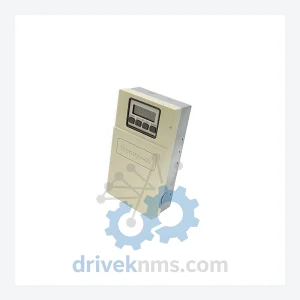
Honeywell T775E1056 Process Controller – T775 Series
Honeywell T775E1056 is listed for T775 Series RFQ review. Confirm quantity, condition and destination before quotation.
RFQ-ready industrial model
Model: TK-IDD321
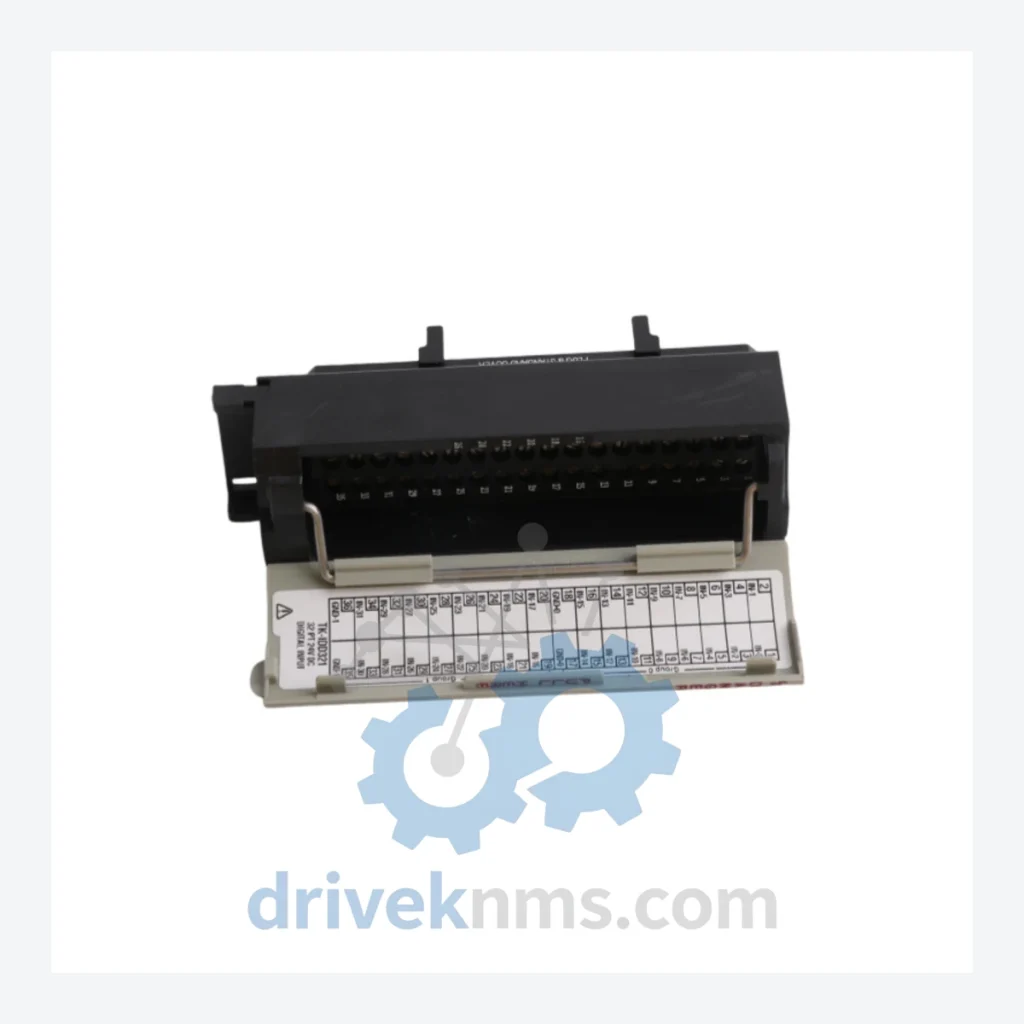
Product Overview
Commercial availability is handled through direct RFQ, model verification and export-oriented follow-up rather than public cart checkout.
Datasheet Preview
Use attached product manuals when available. If the manual is not public yet, request the full file directly through RFQ.
Commercial Path
Product pages on DRIVEKNMS are designed to verify model, brand and series first, then move the buyer into one clean quotation path.
Technical Dossier
RFQ support for obsolete parts: Send the model number, required quantity and destination so DriveKNMS can confirm sourcing options before quotation.
Note: Electrical parameters not independently verified. Specifications are based on OEM documentation references. DriveKNMS does not fabricate technical data. Contact us for datasheet confirmation prior to purchase.
The Honeywell TDC 3000 and TotalPlant Solution platforms represent decades of process engineering investment. These systems were designed for 20–30 year operational lifespans, and many facilities are now operating well beyond original design horizons. The TK-IDD321 input module sits at a critical junction in the I/O subsystem: it handles field signal acquisition and conditioning before data reaches the control processor. There is no generic substitute. Replacing it with a non-OEM equivalent requires re-engineering the I/O bus interface, reconfiguring the historian, and in most cases, revalidating the entire control loop — a process that can take months and disrupt production schedules.
How to extend your TDC 3000 / TPS system life by 5–10 years without a full migration:
These measures, implemented systematically, can defer a full DCS migration by 5 to 10 years — allowing capital budgets to be allocated on the facility's schedule rather than forced by a parts shortage.
Sourcing obsolete industrial modules from the secondary market carries real risk. DriveKNMS applies a structured 5-step quality assurance process to every unit before dispatch review:
Q: Should I buy more than one unit?
A: For any module that is confirmed discontinued, the answer is yes. Secondary market availability for TK-IDD321 is finite and decreasing. Facilities that have experienced a single unplanned failure of this module type and had no spare on hand understand the operational risk. We recommend a minimum of two units per critical system, with one designated as a hot spare.
Continue The Model Path
Move from this exact model into the matching system hub, brand archive, model-family archive or lifecycle sourcing route before sending a final RFQ list.
Related Paths
Honeywell T775E1056 is listed for T775 Series RFQ review. Confirm quantity, condition and destination before quotation.
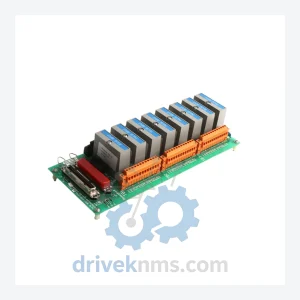
Honeywell MC-TPIX12 51304084-175 is listed for Series TotalPlant RFQ review. Confirm quantity, condition and destination before quotation.
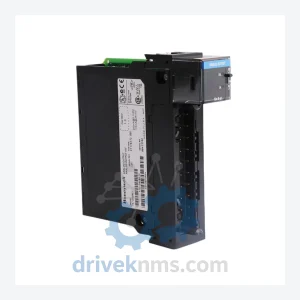
Honeywell TK-OAV061 is listed for PLC Modules RFQ review. Confirm quantity, condition and destination before quotation.