
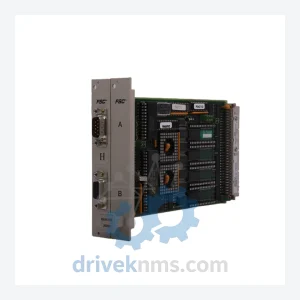
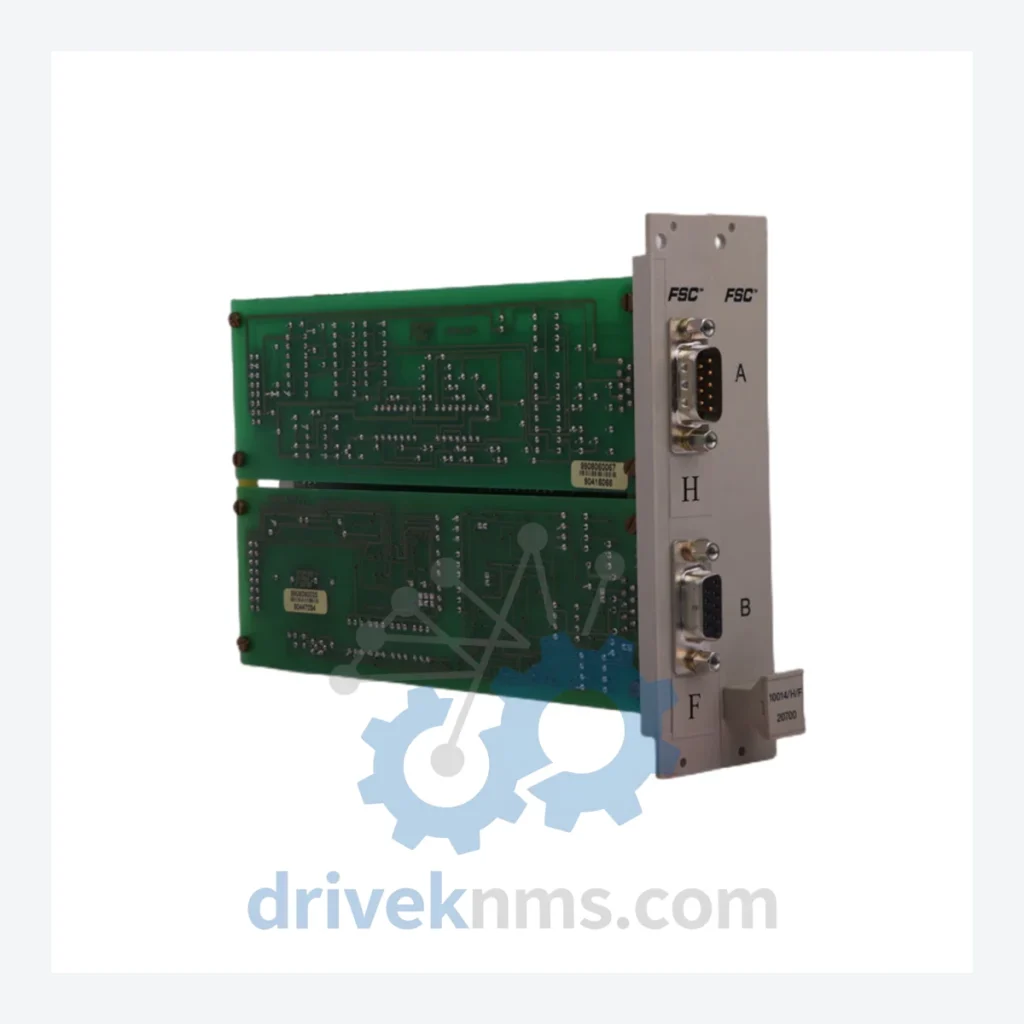
Honeywell 10014 Series Modules 10014/H/F Communication Module
Honeywell 10014/H/F is listed for Communication Modules RFQ review. Confirm quantity, condition and destination before quotation.
RFQ-ready industrial model
Model: 10018/E/1
Product Overview
Commercial availability is handled through direct RFQ, model verification and export-oriented follow-up rather than public cart checkout.
Datasheet Preview
Use attached product manuals when available. If the manual is not public yet, request the full file directly through RFQ.
Commercial Path
Product pages on DRIVEKNMS are designed to verify model, brand and series first, then move the buyer into one clean quotation path.
Technical Dossier
The Honeywell 10018 Series represents a core product line within Honeywell's distributed control system (DCS) portfolio, designed for deployment in continuous-process heavy industries including petrochemical refining, nuclear power generation, coal chemical processing, and large-scale thermal power plants. Across these sectors, the 10018 Series has accumulated a substantial installed base, particularly in facilities operating Honeywell's MACS (Macsys Advanced Control System) platform — one of China's most widely deployed domestic DCS architectures in critical infrastructure.
The series covers a broad functional spectrum: CPU controllers, Ethernet communication adapters, digital I/O modules, analog I/O modules, and power supply units. Its modular backplane architecture allows mixed-function configurations within a single rack, enabling engineers to tailor control node density to process requirements. The 10018 Series is engineered for 24/7 continuous operation in Class I industrial environments, with redundancy support at both the controller and communication layer.
The Honeywell 10018 Series was developed as part of Honeywell's second-generation MACS DCS platform, succeeding earlier proprietary fieldbus-based architectures that relied on RS-485 and token-ring communication topologies. The transition to the 10018 Series introduced 100Mbps Ethernet as the primary inter-module communication backbone, replacing legacy serial backplane buses and enabling deterministic, high-throughput data exchange between I/O nodes and the central controller.
Early 10018 deployments (circa 2005–2010) focused on power generation and chemical plant applications, where the series competed directly with Siemens TELEPERM XP and ABB Advant OCS in the domestic market. The introduction of the 10018/E/1 Ethernet module marked a pivotal architectural shift, providing a standardized TCP/IP gateway between the MACS controller network and plant-level SCADA systems.
The following SKUs represent the primary module types within the Honeywell 10018 Series. Modules are classified by functional category:
Ethernet & Communication Modules
CPU & Controller Modules
Digital Input (DI) Modules
Digital Output (DO) Modules
Analog Input (AI) Modules
Analog Output (AO) Modules
Power Supply Modules
All modules are supplied with full traceability documentation. DriveKNMS does not supply counterfeit or remarked components. Each unit is individually inspected prior to dispatch.
The Honeywell 10018 Series employs a proprietary backplane bus protocol for inter-module communication within the rack. Standard bench testing procedures are insufficient to validate module functionality without replicating the MACS backplane environment. DriveKNMS operates a dedicated 10018 Series test bench that includes a functional MACS rack with active controller, power supply, and communication infrastructure.
Each 10018 module processed through DriveKNMS undergoes the following verification steps: visual inspection for physical damage, corrosion, and component integrity; powered functional test within a live MACS rack environment to confirm backplane communication handshake; I/O channel verification for all active channels (signal injection for AI/AO, continuity and switching test for DI/DO); Ethernet port link negotiation and packet integrity test for communication modules; and burn-in cycle of minimum 24 hours under operational load prior to release.
Continue The Model Path
Move from this exact model into the matching system hub, brand archive, model-family archive or lifecycle sourcing route before sending a final RFQ list.
Related Paths
Honeywell 10014/H/F is listed for Communication Modules RFQ review. Confirm quantity, condition and destination before quotation.
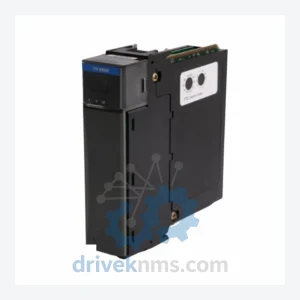
Honeywell TK-FTEB01 is listed for Communication Modules RFQ review. Confirm quantity, condition and destination before quotation.
Honeywell MU-KBFT02 80366198-200 is listed for Communication Modules RFQ review. Confirm quantity, condition and destination before quotation.