

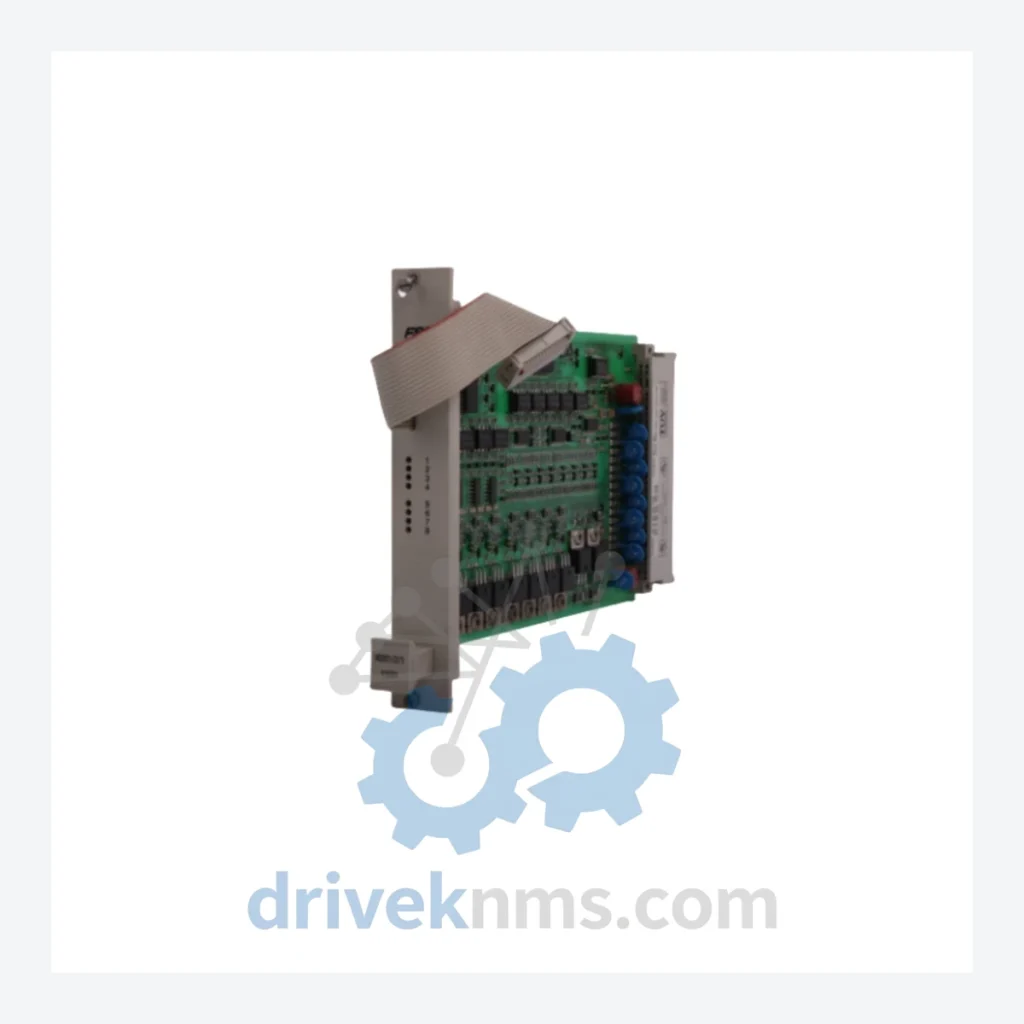
Honeywell TDC 3000 / TPS MU-TAMR03 51309218-125 Analog Input Multiplexer
Honeywell MU-TAMR03 51309218-125 is listed for TDC 3000 RFQ review. Confirm quantity, condition and destination before quotation.
RFQ-ready industrial model
Model: 10209/2/1
Product Overview
Commercial availability is handled through direct RFQ, model verification and export-oriented follow-up rather than public cart checkout.
Datasheet Preview
Use attached product manuals when available. If the manual is not public yet, request the full file directly through RFQ.
Commercial Path
Product pages on DRIVEKNMS are designed to verify model, brand and series first, then move the buyer into one clean quotation path.
Technical Dossier
RFQ support for obsolete parts: Send the model number, required quantity and destination so DriveKNMS can confirm sourcing options before quotation.
| Parameter | Detail |
|---|---|
| Part Number | 10209/2/1 |
| Manufacturer | Honeywell |
| Module Type | Digital Output Module |
| Compatible System | Honeywell TDC 3000, PlantScape, Experion PKS (legacy I/O bus) |
| Country of Origin | United States |
| Discontinuation Status | Confirmed Discontinued / End-of-Life (EOL) |
| Replacement Availability | No direct OEM replacement; cross-compatible sourcing required |
Note: Electrical parameters such as output voltage range, channel count, and bus interface specifications are not published here to prevent inaccurate data from being used in safety-critical applications. Contact our technical team for verified datasheet support.
For plant managers and maintenance engineers facing pressure to justify continued operation of legacy DCS infrastructure, the economic case for strategic spare parts management is straightforward. A single verified spare of the 10209/2/1 module, procured today, eliminates the single largest risk factor in your TDC 3000 uptime equation. The following maintenance strategy has been applied successfully across multiple legacy DCS installations to extend operational life by five to ten years without a full platform migration:
This approach does not require capital expenditure approval. It requires a maintenance budget line and a procurement decision. The alternative — an unplanned system migration triggered by an unavailable spare — is a capital project that no plant manager wants to defend to operations leadership.
Every Honeywell 10209/2/1 unit shipped by DriveKNMS passes a structured 5-step quality assurance process designed specifically for legacy industrial hardware:
Q: How do I know the unit is genuine and not a counterfeit?
A: All units are sourced through documented supply channels. Physical markings, board revision, and firmware version are verified and disclosed. We do not ship units where provenance cannot be established. Customers are encouraged to request pre-shipment inspection documentation.
Q: Can you source other Honeywell TDC 3000 modules?
A: Yes. DriveKNMS specializes in legacy Honeywell, ABB, Siemens, and Yokogawa DCS spare parts. Contact us with your full bill of materials for a consolidated sourcing assessment.
Continue The Model Path
Move from this exact model into the matching system hub, brand archive, model-family archive or lifecycle sourcing route before sending a final RFQ list.
Related Paths
Honeywell MU-TAMR03 51309218-125 is listed for TDC 3000 RFQ review. Confirm quantity, condition and destination before quotation.
Honeywell 10004/I/I is listed for TDC 3000 RFQ review. Confirm quantity, condition and destination before quotation.
Honeywell 05704-A-0144 is listed for TDC 3000 RFQ review. Confirm quantity, condition and destination before quotation.