
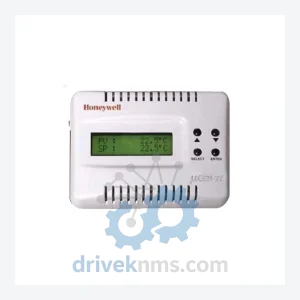
Honeywell T2798I-1000 Digital Thermostat – T2000 Series
Honeywell T2798I-1000 is listed for T2000 Series RFQ review. Confirm quantity, condition and destination before quotation.
RFQ-ready industrial model
Model: 20VR6
Product Overview
Commercial availability is handled through direct RFQ, model verification and export-oriented follow-up rather than public cart checkout.
Datasheet Preview
Use attached product manuals when available. If the manual is not public yet, request the full file directly through RFQ.
Commercial Path
Product pages on DRIVEKNMS are designed to verify model, brand and series first, then move the buyer into one clean quotation path.
Technical Dossier
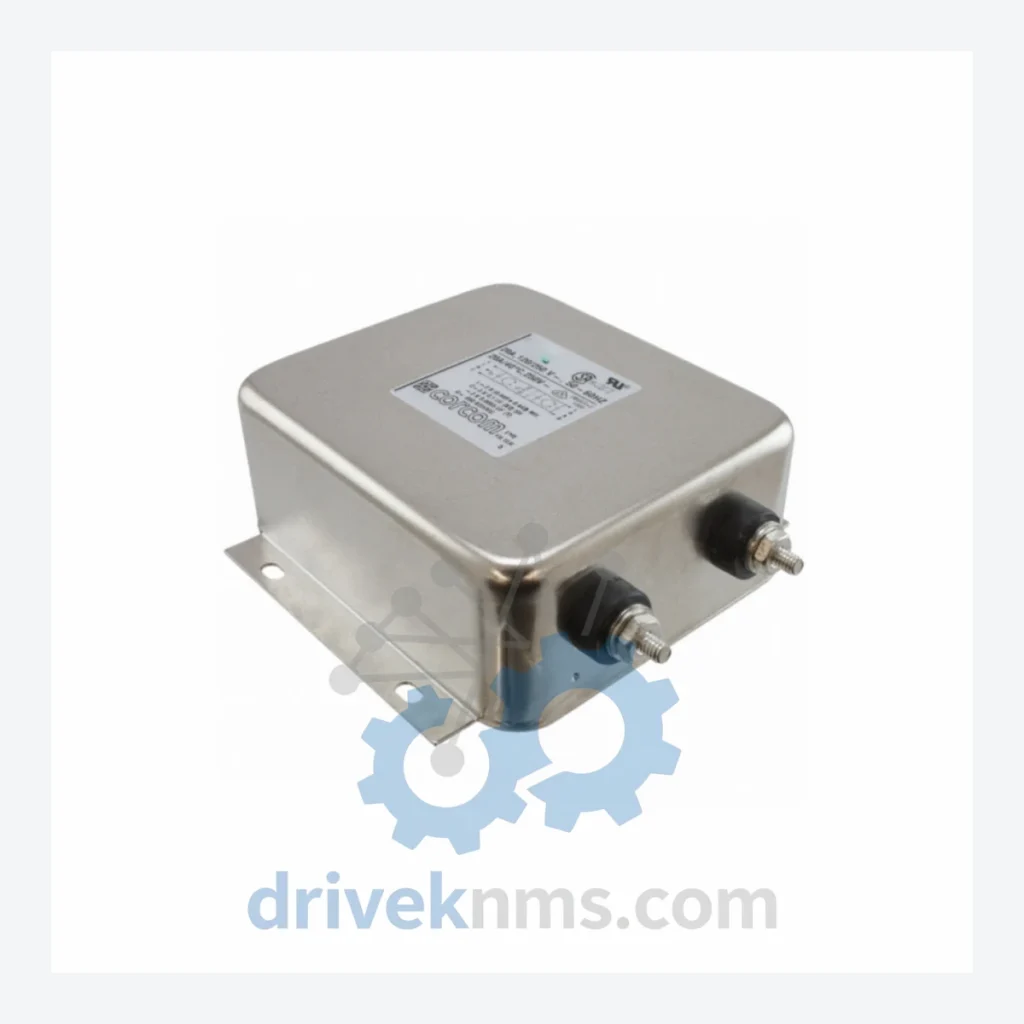
When a power line filter fails inside a legacy industrial control cabinet, the downstream consequences extend far beyond a single component. The Honeywell 20VR6 — a 20A stud-terminal power line filter — was designed for noise suppression and EMI attenuation in demanding industrial environments. Honeywell has discontinued this part. Replacement units are no longer available through standard distribution channels.
RFQ support for obsolete parts: Send the model number, required quantity and destination so DriveKNMS can confirm sourcing options before quotation.
Note: Additional electrical parameters (voltage rating, attenuation characteristics, frequency range) are not published here to avoid inaccuracy. Please contact us directly for datasheet support.
Power line filters are passive components that rarely appear on maintenance priority lists — until they fail. In legacy Honeywell control systems, including distributed control architectures from the TDC and PlantScape generations, EMI suppression components like the 20VR6 protect sensitive analog and digital I/O modules from conducted interference on the AC supply rail. Without adequate filtering, signal integrity degrades, spurious alarms increase, and control loop stability is compromised.
The core problem with obsolete EMI filters is not the component cost — it is the absence of a certified drop-in replacement. Modern filter equivalents may differ in physical footprint, terminal pitch, or impedance profile, requiring engineering validation before installation. That validation process — involving instrumentation, documentation, and change-management sign-off — can cost more than the original system upgrade budget allocated for the entire cabinet.
Facilities that have secured verified original-specification 20VR6 units as long-term spares avoid this engineering overhead entirely. The component installs without modification, without re-documentation, and without triggering a change-control review cycle. For plants operating under ISO 9001 or FDA 21 CFR Part 11 environments, that distinction carries significant compliance weight.
How to extend your automation asset life by 5–10 years using critical spare parts:
All Honeywell 20VR6 units supplied by DriveKNMS pass a structured 5-step quality assessment before dispatch:
Units that do not pass all five stages are not offered for sale. We do not blend inspection grades — every unit shipped is held to the same standard.
Q: How are RFQ terms confirmed?
A: Quantity, required condition, documentation needs, destination and sourcing route are confirmed during RFQ review before quotation.
Continue The Model Path
Move from this exact model into the matching system hub, brand archive, model-family archive or lifecycle sourcing route before sending a final RFQ list.
Related Paths
Honeywell T2798I-1000 is listed for T2000 Series RFQ review. Confirm quantity, condition and destination before quotation.
Honeywell TC-PPD011 is listed for Controller Cards RFQ review. Confirm quantity, condition and destination before quotation.
Honeywell T921D-1008 is listed for T921D Series RFQ review. Confirm quantity, condition and destination before quotation.