
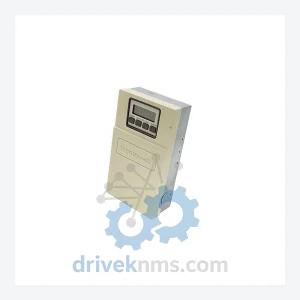
Honeywell T775E1056 Process Controller – T775 Series
Honeywell T775E1056 is listed for T775 Series RFQ review. Confirm quantity, condition and destination before quotation.
RFQ-ready industrial model
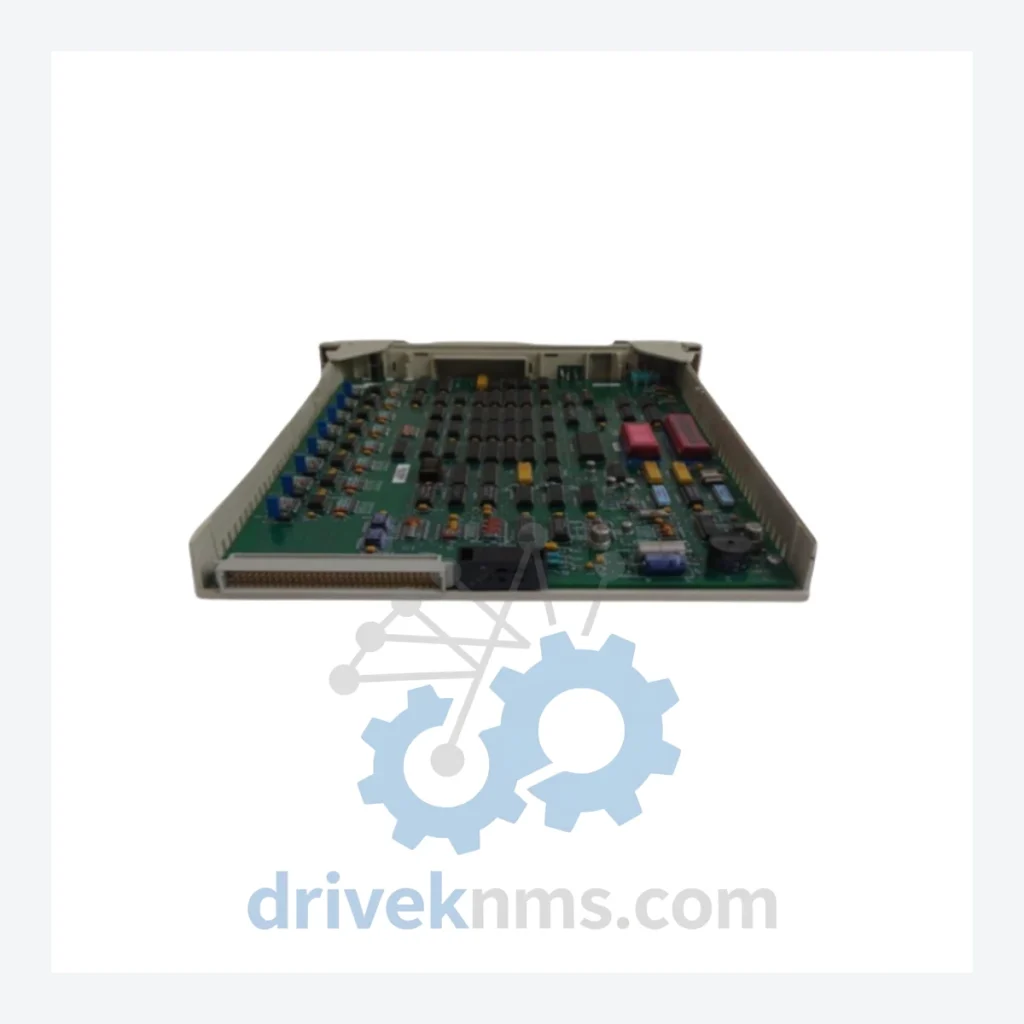
Model: 51304386-150
Product Overview
Commercial availability is handled through direct RFQ, model verification and export-oriented follow-up rather than public cart checkout.
Datasheet Preview
Use attached product manuals when available. If the manual is not public yet, request the full file directly through RFQ.
Commercial Path
Product pages on DRIVEKNMS are designed to verify model, brand and series first, then move the buyer into one clean quotation path.
Technical Dossier
RFQ support for obsolete parts: Send the model number, required quantity and destination so DriveKNMS can confirm sourcing options before quotation.
| Part Number | 51304386-150 |
| Manufacturer | Honeywell |
| Module Type | Pulse Input Module |
| Compatible Platform | Honeywell TDC 3000, TPS (Total Plant Solution) |
| Series | TDC/TPS Process Manager I/O |
| Discontinuation Status | Discontinued / Obsolete – No longer manufactured by Honeywell |
| Country of Origin | United States |
| Replacement Path | No direct OEM replacement available; platform migration required if spare not sourced |
The Honeywell TDC 3000 and TPS platforms were the backbone of process automation across petrochemical, refining, pulp and paper, and power industries from the 1980s through the 2000s. Tens of thousands of these systems remain in active service today — not because operators are unaware of their age, but because the cost and risk of replacement are prohibitive. A single DCS migration project at a mid-sized refinery typically requires 18–36 months of engineering, a multi-million dollar capital budget, and a planned shutdown window that may not align with production schedules for years.
The 51304386-150 Pulse Input Module is one of the I/O components that has no modern equivalent within the TDC/TPS architecture. It cannot be substituted with a generic module. The firmware, backplane communication protocol, and physical form factor are all specific to this platform. When this module fails and no spare exists on-site, the options narrow quickly: cannibalize another loop, accept a process blind spot, or begin an unplanned migration under pressure. None of these outcomes are acceptable in a safety-critical environment.
Sourcing a verified spare from DriveKNMS extends the operational life of the existing DCS by years — at a fraction of the cost of any migration scenario. For plant managers facing capital budget constraints or regulatory freeze periods, this is the only viable path to maintaining process integrity without triggering a full system overhaul.
Obsolete modules sourced from secondary markets carry real risk if not properly evaluated. DriveKNMS applies a 5-step QA protocol to every 51304386-150 unit before it is offered for sale:
The decision to retire a legacy DCS is rarely made on technical grounds alone. It is made when the cost of maintaining the existing system — in engineering time, spare part scarcity, and operational risk — exceeds the cost of replacement. For Honeywell TDC 3000 and TPS installations, that crossover point can be pushed back significantly with a structured spare parts strategy.
Identify your single points of failure. Not every module in a TDC/TPS system is equally critical. Pulse Input Modules like the 51304386-150 that serve flow measurement on primary process streams carry higher risk than those on utility loops. Map your critical I/O and identify which module types have no on-site spare.
Establish a minimum spare holding. For high-criticality modules, a minimum of two on-site spares is a defensible standard. For lower-criticality loops, one spare may be sufficient. The calculation is straightforward: compare the cost of holding the spare against the cost of a single unplanned shutdown event.
Source while inventory exists. The secondary market for TDC/TPS components is finite and shrinking. Each year, fewer units are available from decommissioned plants. Procurement decisions made today will be harder and more expensive to execute in 24 months.
Document your installed firmware revisions. Firmware mismatches between a replacement module and the existing system configuration are a preventable failure mode. Maintain a record of the firmware version installed in every critical I/O slot.
Negotiate long-term supply agreements. For facilities with large TDC/TPS installations, a standing arrangement with a specialist supplier — covering priority access to inventory as it becomes available — is a more reliable strategy than spot purchasing under emergency conditions.
Applied consistently, this approach has allowed facilities to operate legacy Honeywell DCS infrastructure reliably for 5–10 years beyond the point at which OEM support was withdrawn, without compromising process safety or control system integrity.
Q: How do I know the unit is genuine and not a counterfeit?
A: All units are sourced from decommissioned Honeywell DCS installations or verified surplus channels. Physical markings, PCB revision codes, and component dating are cross-referenced against known genuine units. We do not source from unverified brokers.
Q: Can you supply multiple units for a long-term spare parts program?
A: Contact us directly to discuss available quantity and pricing for bulk or scheduled procurement. We recommend securing your requirement early — available inventory for discontinued TDC/TPS modules decreases over time and is not replenished.
Continue The Model Path
Move from this exact model into the matching system hub, brand archive, model-family archive or lifecycle sourcing route before sending a final RFQ list.
Related Paths
Honeywell T775E1056 is listed for T775 Series RFQ review. Confirm quantity, condition and destination before quotation.
Honeywell MC-TPIX12 51304084-175 is listed for Series TotalPlant RFQ review. Confirm quantity, condition and destination before quotation.
Honeywell TK-OAV061 is listed for PLC Modules RFQ review. Confirm quantity, condition and destination before quotation.