
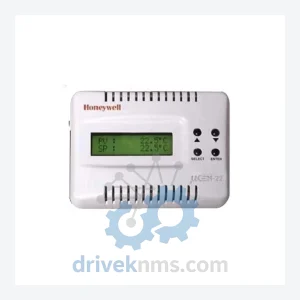
Honeywell T2798I-1000 Digital Thermostat – T2000 Series
Honeywell T2798I-1000 is listed for T2000 Series RFQ review. Confirm quantity, condition and destination before quotation.
RFQ-ready industrial model
Model: 51402497-200 TP-DSOEP1-100
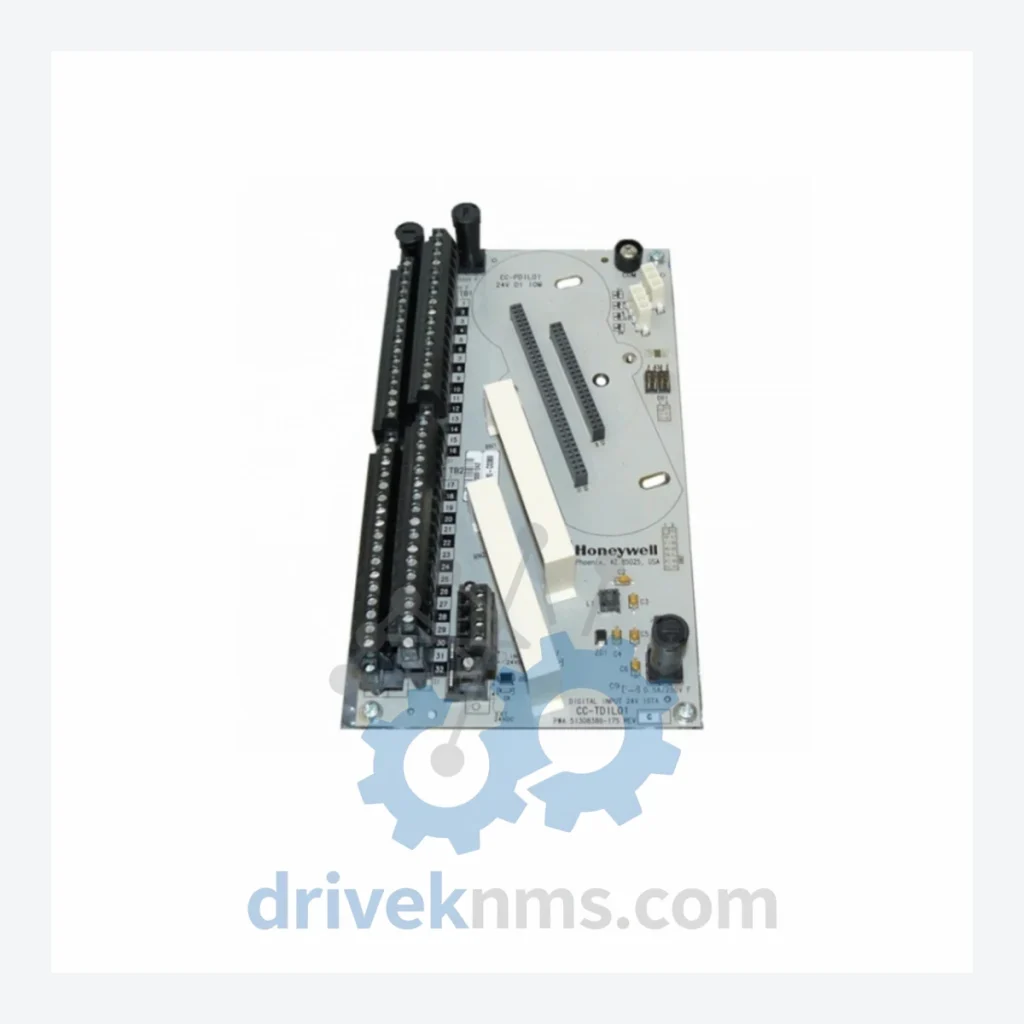
Product Overview
Commercial availability is handled through direct RFQ, model verification and export-oriented follow-up rather than public cart checkout.
Datasheet Preview
Use attached product manuals when available. If the manual is not public yet, request the full file directly through RFQ.
Commercial Path
Product pages on DRIVEKNMS are designed to verify model, brand and series first, then move the buyer into one clean quotation path.
Technical Dossier
The Honeywell TotalPlant Solution (TPS) platform represents one of the most widely deployed Distributed Control System (DCS) architectures in global heavy industry. Installed across petrochemical complexes, nuclear power stations, crude oil refineries, pulp and paper mills, and large-scale chemical processing facilities, the TPS system established a benchmark for process control reliability throughout the 1990s and 2000s. The TP-DSOEP1 operator keyboard — catalogued under part number 51402497-200 — is a dedicated human-machine interface (HMI) input device engineered for use with TPS Universal Operator Stations (UOS) and Global User Stations (GUS). Its ruggedized keypad layout, process-specific function keys, and deterministic communication with the TPS network make it a non-substitutable component in facilities where the TPS architecture remains the primary control backbone.
Honeywell's TotalPlant Solution DCS evolved from the earlier TDC 3000 platform, inheriting its Universal Control Network (UCN) and Local Control Network (LCN) topology. The operator interface layer — comprising operator stations, engineer stations, and their associated peripherals — underwent several hardware generations. Early TDC 3000 operator keyboards used proprietary bus interfaces incompatible with later TPS stations. The TP-DSOEP1 series was introduced as the standardized operator keyboard for the TPS generation, designed to interface with the Universal Operator Station (UOS) via a dedicated serial connection. Subsequent revisions addressed connector durability and keycap labeling standards for hazardous-area-adjacent control rooms. The -100 suffix on TP-DSOEP1-100 denotes the baseline hardware revision. Facilities migrating from TDC 3000 to TPS required keyboard replacement as part of the station upgrade, making the TP-DSOEP1 a high-volume spare throughout the late 1990s transition period. As TPS sites now transition toward Experion PKS, the TP-DSOEP1 has entered its end-of-life phase, with Honeywell no longer manufacturing replacement units — elevating the importance of third-party spare parts sourcing for lifecycle extension.
The following SKUs represent the core operator interface, I/O, controller, communication, and power supply modules within the Honeywell TPS ecosystem. Each entry reflects a verified component class within the TPS/TDC 3000 platform architecture.
Operator Interface & Keyboards
CPU & Controller Modules
Analog Input (AI) Modules
Digital Input/Output (DI/DO) Modules
Communication & Network Modules
Power Supply Modules
Q: How are RFQ terms confirmed?
A: Quantity, required condition, documentation needs, destination and sourcing route are confirmed during RFQ review before quotation.
Operator keyboard modules such as the TP-DSOEP1 present specific quality verification challenges distinct from standard I/O or controller cards. DriveKNMS applies the following test protocol to all TPS operator interface units prior to dispatch:
Continue The Model Path
Move from this exact model into the matching system hub, brand archive, model-family archive or lifecycle sourcing route before sending a final RFQ list.
Related Paths
Honeywell T2798I-1000 is listed for T2000 Series RFQ review. Confirm quantity, condition and destination before quotation.
Honeywell TC-PPD011 is listed for Controller Cards RFQ review. Confirm quantity, condition and destination before quotation.
Honeywell T921D-1008 is listed for T921D Series RFQ review. Confirm quantity, condition and destination before quotation.