
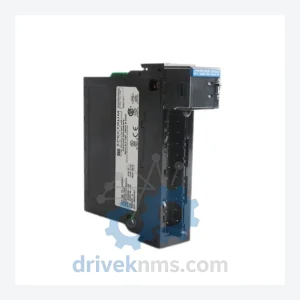
Honeywell TC-PPD011 Extension Battery Module – Obsolete Spare Part
Honeywell TC-PPD011 is listed for Controller Cards RFQ review. Confirm quantity, condition and destination before quotation.
RFQ-ready industrial model
Model: 51454196-100
Product Overview
Commercial availability is handled through direct RFQ, model verification and export-oriented follow-up rather than public cart checkout.
Datasheet Preview
Use attached product manuals when available. If the manual is not public yet, request the full file directly through RFQ.
Commercial Path
Product pages on DRIVEKNMS are designed to verify model, brand and series first, then move the buyer into one clean quotation path.
Technical Dossier
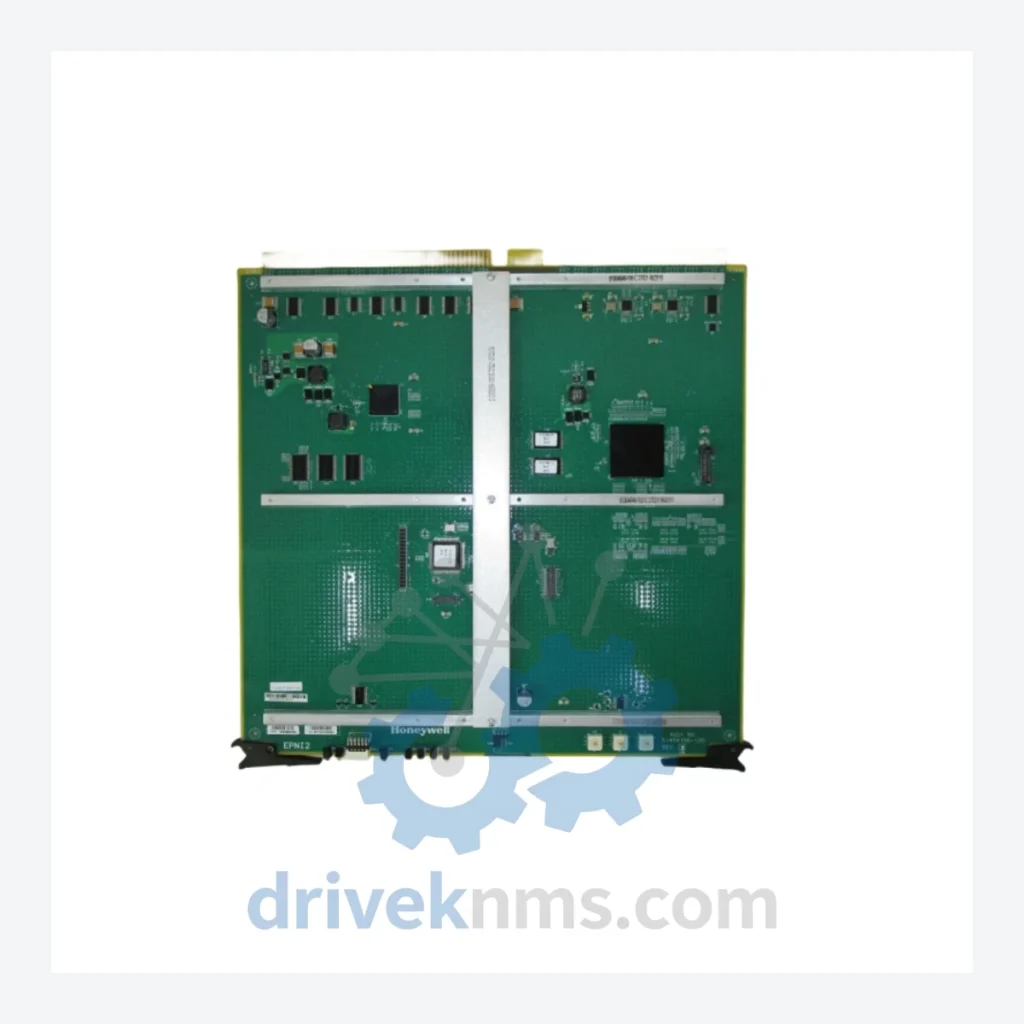
The Honeywell EPNI2 series is a network interface module family deployed within the Honeywell Experion PKS (Process Knowledge System) and legacy TDC 3000 distributed control system architectures. These modules serve as the communication backbone between field controllers, I/O subsystems, and supervisory networks in continuous-process industries including petroleum refining, petrochemical production, nuclear power generation, and large-scale chemical manufacturing. The EPNI2 platform is installed across thousands of process units globally, with a particularly dense installed base in facilities that standardized on Honeywell DCS infrastructure during the 1990s and 2000s capital expansion cycles. Its continued relevance is driven by the high cost and operational risk of full DCS migration, making long-term spare parts availability a critical operational requirement for plant asset managers and reliability engineers.
The EPNI2 module emerged from Honeywell's transition from the proprietary Local Control Network (LCN) used in TDC 3000 systems toward the Ethernet-based Universal Control Network (UCN) and later the Fault-Tolerant Ethernet (FTE) infrastructure of Experion PKS. Early TDC 3000 network interface cards operated on a token-passing LCN at 5 Mbps; the EPNI2 generation introduced dual-redundant Ethernet ports capable of operating on standard 100BASE-TX infrastructure while maintaining backward compatibility with legacy UCN node addressing schemes.
The following SKUs represent the verified EPNI2 series module range and associated compatible components within the Honeywell Experion / TDC 3000 ecosystem. Each entry reflects a distinct functional role within the DCS architecture.
51454196-100: EPNI2 Ethernet Process Network Interface module, primary revision, dual-port FTE-compatible network node card for HPM controller racks.
51454196-150: EPNI2 Ethernet Process Network Interface, revision 150, enhanced firmware for Experion R400+ compatibility and improved FTE failover timing.
51454196-200: EPNI2 high-availability variant with extended temperature tolerance for non-climate-controlled enclosure installations.
51401288-100: HPM High-Performance Process Manager main processor module, primary controller node paired with EPNI2 network interface.
51401288-200: HPM main processor, revision 200, increased onboard RAM and expanded I/O scan rate for high-density loop configurations.
51304485-100: FIM4 Field Interface Module, 4-channel analog input, 4–20 mA HART-compatible, for HPM I/O link subsystems.
51304485-150: FIM4 analog input module, revision 150, with enhanced HART pass-through for asset management integration.
51304362-100: FIM8 Field Interface Module, 8-channel analog output, 4–20 mA, for HPM-based regulatory control loops.
51304362-200: FIM8 analog output, revision 200, with improved output hold-last-value behavior on controller fault.
51309276-175: DI16 Digital Input module, 16-channel 24 VDC discrete input, for HPM I/O link, used in motor control center status monitoring.
51309276-200: DI16 Digital Input, revision 200, with configurable input filter time constants for high-frequency contact bounce suppression.
51309288-175: DO16 Digital Output module, 16-channel 24 VDC discrete output, relay-backed, for HPM-based ESD and interlock logic.
51309288-200: DO16 Digital Output, revision 200, with enhanced short-circuit protection and per-channel diagnostics.
51402573-100: HPM I/O Link Interface module, connects HPM controller backplane to remote I/O expansion cabinets via coaxial I/O link.
51402573-150: HPM I/O Link Interface, revision 150, extended cable drive capability for remote I/O distances up to 300 meters.
51190493-100: HPM Power Supply module, 24 VDC regulated output, for HPM controller and I/O rack power distribution.
51190493-200: HPM Power Supply, revision 200, with active power factor correction and extended hold-up time for UPS transition support.
51401584-100: UCN Network Interface Card, legacy Universal Control Network node card, predecessor generation to EPNI2, for TDC 3000 LCN-to-UCN bridge configurations.
Honeywell has progressively moved the EPNI2 series and associated HPM platform components into a managed lifecycle status, with new production of certain revisions discontinued. For facilities operating Experion PKS R210 through R500 environments, or legacy TDC 3000 systems, the EPNI2 module is a long-lead or no-longer-manufactured item through standard distribution channels.
The EPNI2 module presents specific test challenges due to its dual-role function as both a network node and a backplane communication device. DriveKNMS applies a structured test protocol for all EPNI2 units prior to dispatch:
Backplane interface verification: Each module is seated in a compatible HPM test rack and powered through a calibrated 24 VDC supply. Backplane bus communication is confirmed via Honeywell diagnostic register polling to verify node address assignment and I/O link handshake completion. Dual-port Ethernet functional test: Both FTE ports are connected to a test switch running a simulated FTE network segment. Port failover is induced by disconnecting the primary port; switchover time is measured and must fall within Honeywell-specified tolerances (<100 ms for non-critical, <30 ms for fault-tolerant configurations). Firmware revision audit: Onboard firmware version is read via the diagnostic interface and logged against the unit's hardware revision. Incompatible firmware-hardware combinations are flagged and not dispatched. Thermal stress cycle: Units are subjected to a 4-hour thermal cycle between 0°C and 60°C to screen for latent solder joint failures common in aged PCB assemblies. Visual and mechanical inspection: Connector pins, backplane edge connectors, and conformal coating integrity are inspected under magnification. Units with pin damage, corrosion, or coating delamination are rejected or routed to component-level repair.
Continue The Model Path
Move from this exact model into the matching system hub, brand archive, model-family archive or lifecycle sourcing route before sending a final RFQ list.
Related Paths
Honeywell TC-PPD011 is listed for Controller Cards RFQ review. Confirm quantity, condition and destination before quotation.
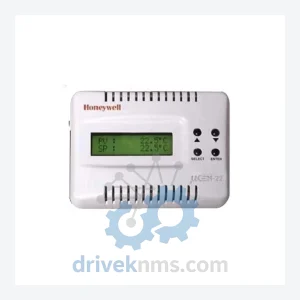
Honeywell T2798I-1000 is listed for T2000 Series RFQ review. Confirm quantity, condition and destination before quotation.
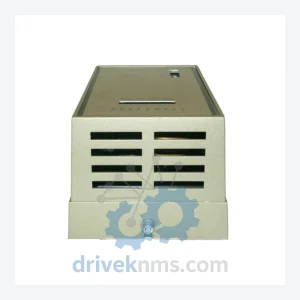
Honeywell T921D-1008 is listed for T921D Series RFQ review. Confirm quantity, condition and destination before quotation.