
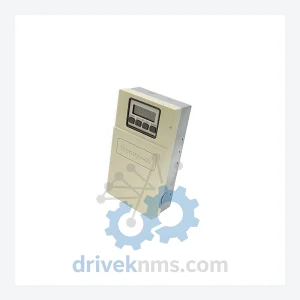
Honeywell T775E1056 Process Controller – T775 Series
Honeywell T775E1056 is listed for T775 Series RFQ review. Confirm quantity, condition and destination before quotation.
RFQ-ready industrial model
Model: 8C-PCNT02 8C-TCNTA1 8C-PAINA1 8C-PAONA1
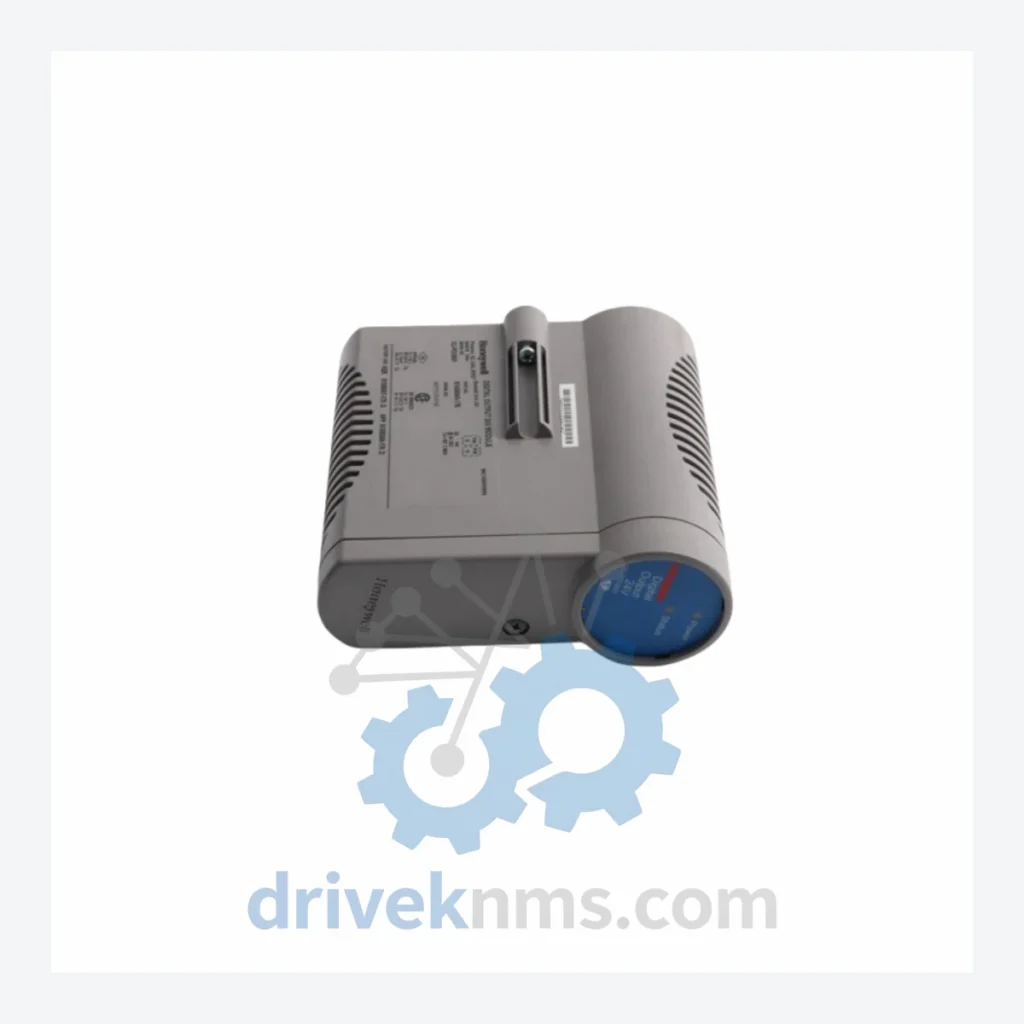
Product Overview
Commercial availability is handled through direct RFQ, model verification and export-oriented follow-up rather than public cart checkout.
Datasheet Preview
Use attached product manuals when available. If the manual is not public yet, request the full file directly through RFQ.
Commercial Path
Product pages on DRIVEKNMS are designed to verify model, brand and series first, then move the buyer into one clean quotation path.
Technical Dossier
RFQ support for obsolete parts: Send the model number, required quantity and destination so DriveKNMS can confirm sourcing options before quotation.
| Parameter | Detail |
|---|---|
| Manufacturer | Honeywell |
| Part Numbers | 8C-PCNT02 / 8C-TCNTA1 / 8C-PAINA1 / 8C-PAONA1 |
| Product Series | HC900 Hybrid Controller I/O |
| Module Category | Analog I/O Module |
| Discontinuation Status | Discontinued / End-of-Life (EOL) by Honeywell |
| Compatible System | Honeywell HC900 Hybrid Controller |
| Country of Origin | United States |
| Condition Available | New surplus / Tested refurbished |
Note: Specific electrical parameters (channel count, signal range, power draw) are confirmed against physical unit markings and documentation at time of order. No parameters are published without physical verification to protect equipment safety.
The Honeywell HC900 platform was widely deployed across refining, chemical processing, and batch manufacturing facilities throughout the 2000s and 2010s. Its hybrid architecture — combining discrete logic with continuous process control — made it a cost-effective backbone for mid-scale operations. That same architecture now creates a replacement dilemma: the HC900's I/O modules are proprietary, slot-specific, and cannot be substituted with generic third-party hardware without a full engineering redesign of the control strategy.
The 8C-PCNT02, 8C-TCNTA1, 8C-PAINA1, and 8C-PAONA1 modules occupy defined rack positions within the HC900 chassis. Losing one does not merely reduce capacity — it can render an entire controller rack inoperable, depending on the system's fault-handling configuration. For plant managers facing this scenario, the realistic options are: source the original module, or commit to a platform migration that will consume engineering resources for 12–24 months.
Extending the operational life of an HC900 installation by 5 to 10 years through strategic spare parts procurement is not a workaround — it is a defensible capital asset protection strategy. The math is straightforward: a verified spare module at current market pricing versus a full DCS migration project. Facilities that maintain a curated inventory of critical HC900 I/O modules retain full control over their maintenance timeline and avoid being forced into capital expenditure cycles driven by parts availability rather than genuine operational need.
Every HC900 I/O module processed by DriveKNMS passes a five-stage inspection protocol before it is offered for sale:
Q: How are RFQ terms confirmed?
A: Quantity, required condition, documentation needs, destination and sourcing route are confirmed during RFQ review before quotation.
Continue The Model Path
Move from this exact model into the matching system hub, brand archive, model-family archive or lifecycle sourcing route before sending a final RFQ list.
Related Paths
Honeywell T775E1056 is listed for T775 Series RFQ review. Confirm quantity, condition and destination before quotation.
Honeywell MC-TPIX12 51304084-175 is listed for Series TotalPlant RFQ review. Confirm quantity, condition and destination before quotation.
Honeywell TK-OAV061 is listed for PLC Modules RFQ review. Confirm quantity, condition and destination before quotation.