
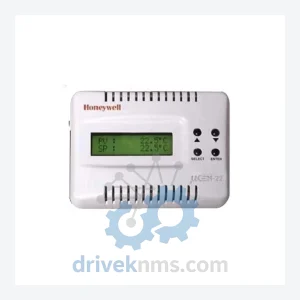
Honeywell T2798I-1000 Digital Thermostat – T2000 Series
Honeywell T2798I-1000 is listed for T2000 Series RFQ review. Confirm quantity, condition and destination before quotation.
RFQ-ready industrial model
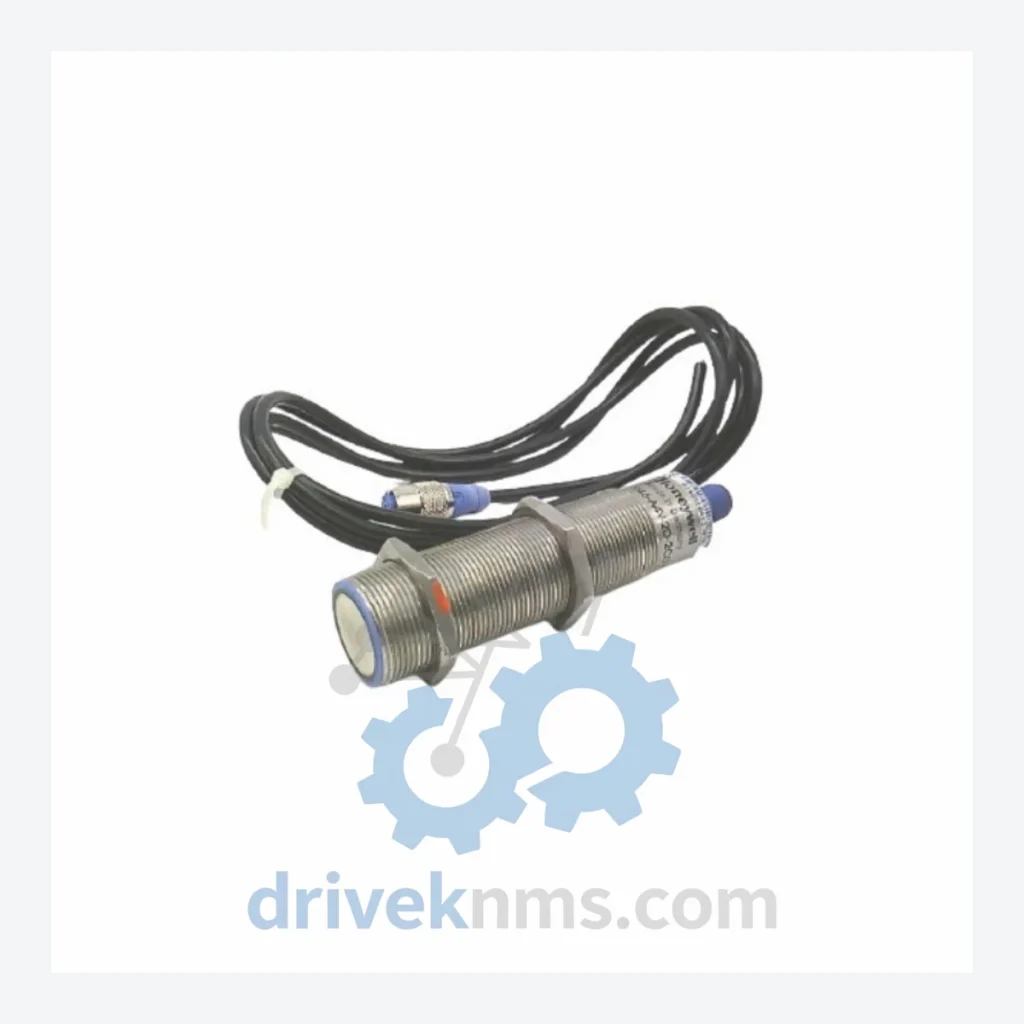
Model: 946-A4V-2D-2C0-175E
Product Overview
Commercial availability is handled through direct RFQ, model verification and export-oriented follow-up rather than public cart checkout.
Datasheet Preview
Use attached product manuals when available. If the manual is not public yet, request the full file directly through RFQ.
Commercial Path
Product pages on DRIVEKNMS are designed to verify model, brand and series first, then move the buyer into one clean quotation path.
Technical Dossier
When the Honeywell 946-A4V-2D-2C0-175E fails in a live process line, the consequences extend far beyond a single instrument replacement. Plants running legacy Honeywell process control architectures — including systems built around the Honeywell TDC 3000 and PlantScape platforms — face a hard choice: source this discontinued transmitter from the shrinking aftermarket, or commit to a full-scale instrumentation upgrade that routinely runs into the hundreds of thousands of dollars in engineering, commissioning, and lost production time. DriveKNMS maintains RFQ-reviewed sourcing status of this unit specifically to eliminate that forced-upgrade scenario. One spare part, sourced in time, can protect years of remaining asset life.
RFQ support for obsolete parts: Send the model number, required quantity and destination so DriveKNMS can confirm sourcing options before quotation.
Note: Electrical parameters not confirmed from official documentation are intentionally omitted. Contact us for verified datasheet support.
The 946-A4V-2D-2C0-175E was designed for demanding industrial flow measurement applications where signal accuracy and long-term stability are non-negotiable. In plants where this transmitter is embedded within a Honeywell TDC 3000 or comparable legacy DCS, it is not a standalone device — it is a calibrated node within a validated measurement loop. Replacing it with a modern substitute requires loop re-engineering, signal reconfiguration, and in many cases, full re-validation of the process measurement chain.
For plant managers operating under capital expenditure constraints, the math is straightforward: a verified replacement unit from the aftermarket costs a fraction of the engineering hours required to retrofit a modern equivalent. The 946-A4V-2D-2C0-175E is not simply a flow transmitter — it is the difference between a planned maintenance event and an unplanned system overhaul.
Facilities in the petrochemical, water treatment, power generation, and pharmaceutical sectors have extended the operational life of their Honeywell-based measurement infrastructure by 5 to 10 years through disciplined spare parts management. The strategy is not complicated: identify the critical instruments with no modern drop-in equivalent, secure RFQ-reviewed sourcing status before failure occurs, and avoid the capital trigger that a forced upgrade represents. This unit is one of those instruments.
Every 946-A4V-2D-2C0-175E unit processed by DriveKNMS passes a structured 5-step quality assurance protocol before it is offered for sale:
Q: Can you provide a datasheet or wiring diagram?
A: We maintain a library of legacy Honeywell documentation. Contact us with your specific application details and we will provide available technical support materials.
Continue The Model Path
Move from this exact model into the matching system hub, brand archive, model-family archive or lifecycle sourcing route before sending a final RFQ list.
Related Paths
Honeywell T2798I-1000 is listed for T2000 Series RFQ review. Confirm quantity, condition and destination before quotation.
Honeywell TC-PPD011 is listed for Controller Cards RFQ review. Confirm quantity, condition and destination before quotation.
Honeywell T921D-1008 is listed for T921D Series RFQ review. Confirm quantity, condition and destination before quotation.