
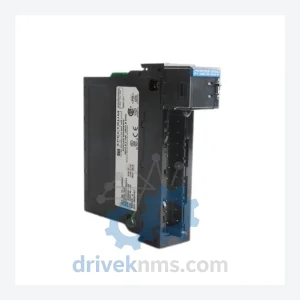
Honeywell TC-PPD011 Extension Battery Module – Obsolete Spare Part
Honeywell TC-PPD011 is listed for Controller Cards RFQ review. Confirm quantity, condition and destination before quotation.
RFQ-ready industrial model
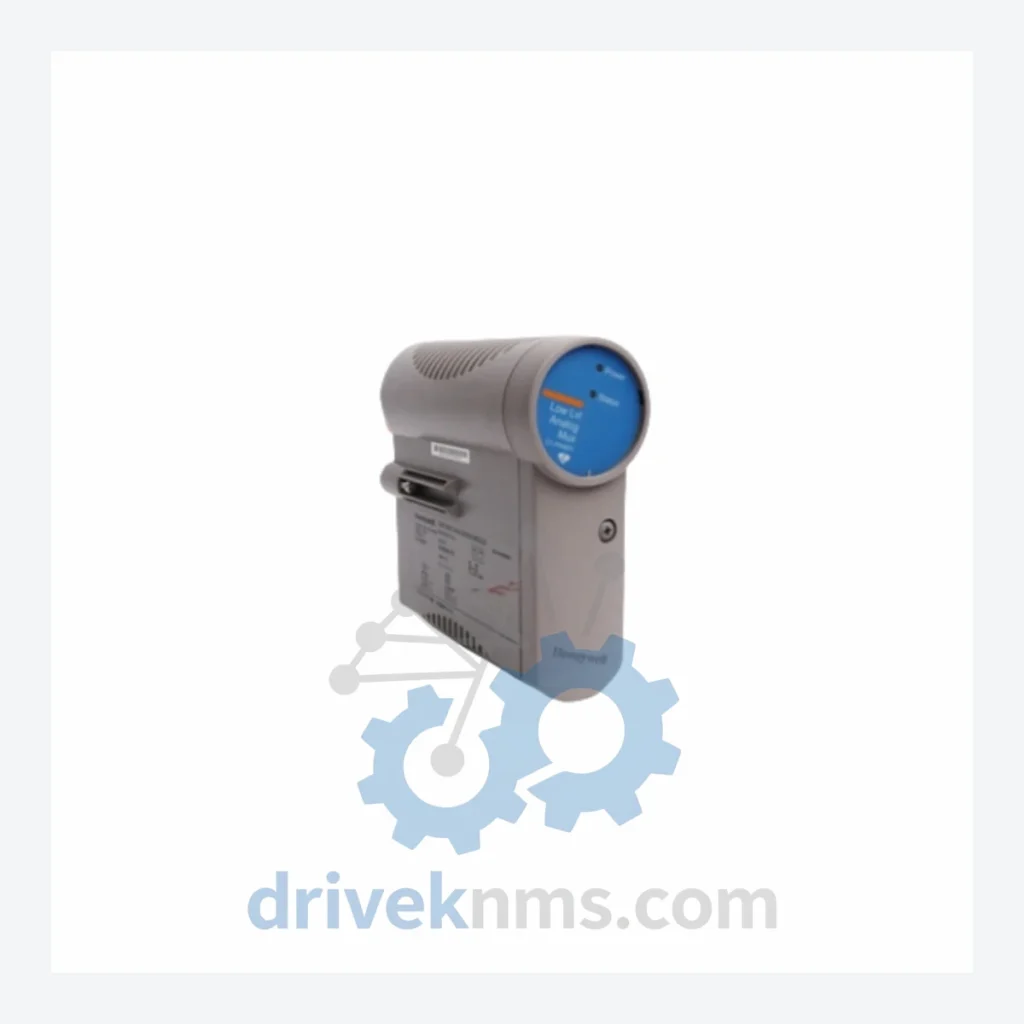
Model: CC-PAON01 CC-PAIN01 CC-PDOB01
Product Overview
Commercial availability is handled through direct RFQ, model verification and export-oriented follow-up rather than public cart checkout.
Datasheet Preview
Use attached product manuals when available. If the manual is not public yet, request the full file directly through RFQ.
Commercial Path
Product pages on DRIVEKNMS are designed to verify model, brand and series first, then move the buyer into one clean quotation path.
Technical Dossier
RFQ support for obsolete parts: Send the model number, required quantity and destination so DriveKNMS can confirm sourcing options before quotation.
| Parameter | Detail |
|---|---|
| Manufacturer | Honeywell Process Solutions |
| Part Numbers | CC-PAON01 / CC-PAIN01 / CC-PDOB01 |
| Product Series | Experion PKS – C300 Controller Series |
| Module Category | Process I/O (Analog Output / Analog Input / Digital Output) |
| Compatible Platform | Honeywell Experion PKS, C300 DCS |
| Communication Bus | FTE (Fault Tolerant Ethernet) / FOUNDATION Fieldbus compatible architecture |
| Discontinuation Status | Obsolete – No longer manufactured or sold by Honeywell |
| Country of Origin | United States |
Note: Electrical parameters not independently verified. Specifications above are based on publicly documented platform compatibility. No parameters have been assumed or fabricated.
The Honeywell Experion PKS platform, built around the C300 controller architecture, remains operational in refineries, chemical plants, and power generation facilities worldwide. The C300 I/O subsystem — of which the CC-PAON01, CC-PAIN01, and CC-PDOB01 are core components — was designed for deterministic process control in safety-critical environments. These modules are not interchangeable with current-generation Experion hardware without significant re-engineering of the control strategy, loop configuration, and cabinet wiring.
When Honeywell discontinued these part numbers, it did not render the installed base obsolete overnight. It transferred the maintenance burden entirely to the end user. Plant managers now face a binary choice: absorb the capital expenditure of a full DCS migration — typically $2M–$8M for a mid-size unit — or maintain the existing system through disciplined spare parts management. For facilities with 5–15 years of remaining operational life planned for the current process unit, migration is rarely the rational economic decision. The correct strategy is controlled asset extension through verified spare parts procurement.
For plant engineering and maintenance leadership managing aging DCS infrastructure, the following framework has proven effective in extending system operational life without triggering a full migration:
3. Firmware Version Control: Before deploying any replacement module, verify firmware compatibility with your current Experion R-release. Mismatched firmware versions between the replacement card and the C300 controller can cause loop initialization failures. DriveKNMS performs firmware version documentation as part of our pre-shipment process.
4. Scheduled Preventive Replacement: For modules exceeding 15 years of continuous service, schedule planned replacement during the next scheduled turnaround rather than waiting for in-service failure. The cost differential between a planned swap and an emergency procurement event is substantial.
5. Supplier Qualification: Not all surplus market sources apply consistent quality controls to obsolete DCS hardware. Counterfeit and non-functional units exist in the market. Establish a qualified supplier relationship with documented QA processes before an emergency forces a rushed procurement decision.
Obsolete DCS modules sourced from the secondary market carry inherent risk if not properly evaluated. DriveKNMS applies a structured 5-step inspection protocol to all Honeywell Experion PKS I/O modules prior to shipment:
Step 1 – Electrolytic Capacitor Assessment: Capacitor aging is the primary failure mechanism in modules of this generation. Each unit is visually inspected for bulging, electrolyte leakage, and ESR deviation from baseline.
Step 2 – Firmware Version Documentation: The installed firmware version is recorded and provided with the shipment. Customers are advised to verify compatibility with their specific Experion R-release prior to installation.
Step 3 – Pin and Connector Inspection: All backplane connector pins are inspected under magnification for oxidation, mechanical deformation, and corrosion. Units with compromised connectors are rejected.
Step 4 – Functional Verification: Where test infrastructure permits, modules are powered and basic communication handshake is verified.
Step 5 – Packaging and ESD Protection: Units are packaged in anti-static bags with desiccant and rigid outer packaging to prevent transit damage.
Q: Can you source other Honeywell Experion PKS or C300 series modules?
A: Yes. Contact us with your full bill of materials for obsolete Honeywell components and we will advise on availability.
Continue The Model Path
Move from this exact model into the matching system hub, brand archive, model-family archive or lifecycle sourcing route before sending a final RFQ list.
Related Paths
Honeywell TC-PPD011 is listed for Controller Cards RFQ review. Confirm quantity, condition and destination before quotation.
Honeywell T2798I-1000 is listed for T2000 Series RFQ review. Confirm quantity, condition and destination before quotation.
Honeywell T921D-1008 is listed for T921D Series RFQ review. Confirm quantity, condition and destination before quotation.