
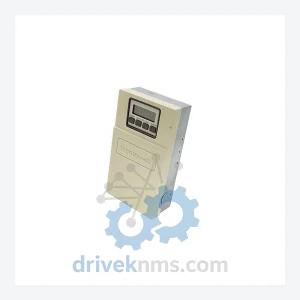
Honeywell T775E1056 Process Controller – T775 Series
Honeywell T775E1056 is listed for T775 Series RFQ review. Confirm quantity, condition and destination before quotation.
RFQ-ready industrial model
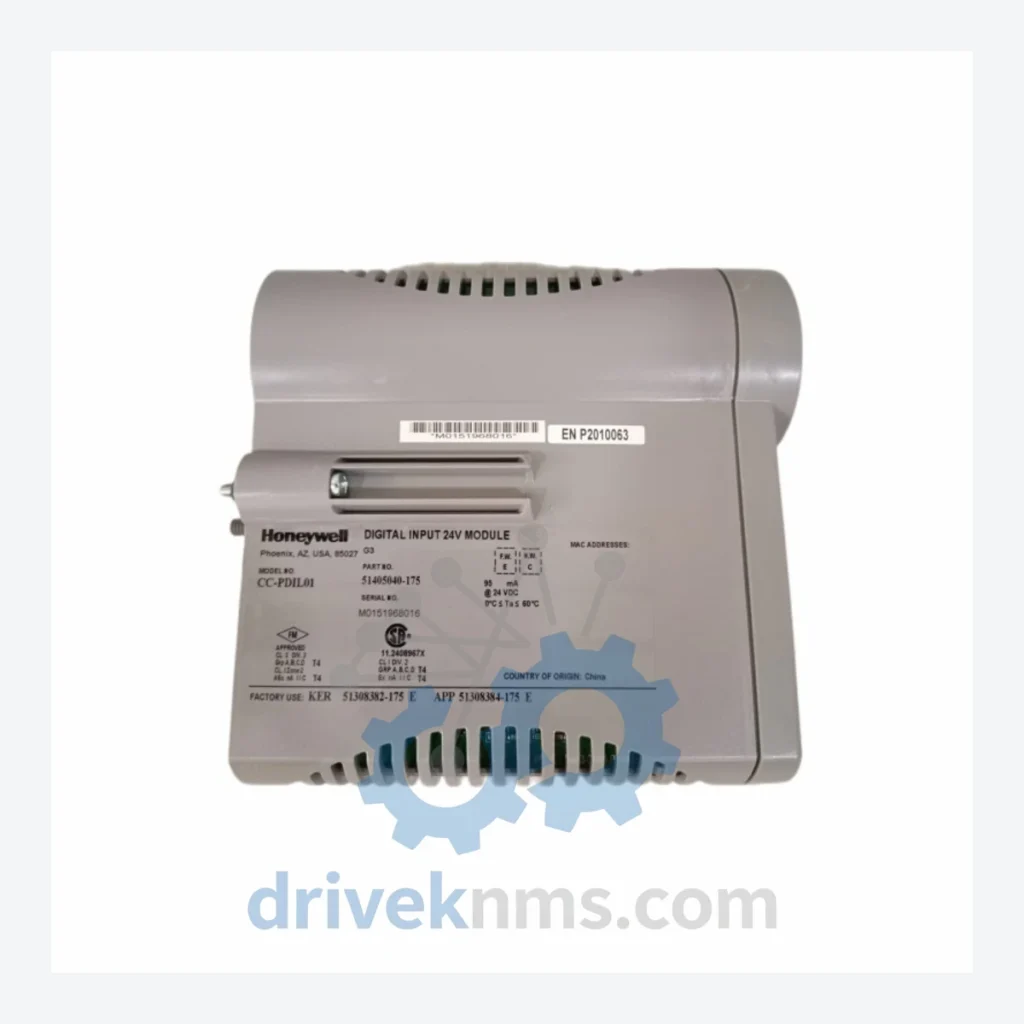
Model: CC-PDIH01 51405041-175
Product Overview
Commercial availability is handled through direct RFQ, model verification and export-oriented follow-up rather than public cart checkout.
Datasheet Preview
Use attached product manuals when available. If the manual is not public yet, request the full file directly through RFQ.
Commercial Path
Product pages on DRIVEKNMS are designed to verify model, brand and series first, then move the buyer into one clean quotation path.
Technical Dossier
RFQ support for obsolete parts: Send the model number, required quantity and destination so DriveKNMS can confirm sourcing options before quotation.
Note: Electrical parameters not independently verified by DriveKNMS are intentionally omitted. Specifications above are drawn from publicly available Honeywell documentation. Buyers requiring full datasheet confirmation should request documentation prior to purchase.
The Honeywell Experion PKS platform was designed for decade-long operational lifecycles in refining, petrochemical, power generation, and specialty chemical facilities. The CC-PDIH01 digital input module sits at the boundary between field instrumentation and the C300 controller — it is the component that translates physical process signals into the data the control system acts upon.
There is no generic substitute. The module communicates over a proprietary I/O link protocol. Replacing it with a non-Honeywell alternative requires engineering re-work at the controller level, FTA replacement, and loop re-validation — work that is neither fast nor inexpensive. For facilities running Experion PKS R310 through R500 environments, or those that migrated from TDC 3000 using the PlantScape bridge architecture, the CC-PDIH01 remains a load-bearing component with no drop-in third-party equivalent.
Plant managers operating under capital expenditure constraints face a specific dilemma: the cost of a full DCS migration cannot be justified on the current budget cycle, yet the risk of running without a verified spare for a discontinued module is operationally unacceptable. Sourcing a qualified replacement unit from the secondary market is the only path that preserves both budget discipline and system integrity.
1. Failure Mode Analysis: Digital input modules in continuous-process environments accumulate thermal cycling stress, connector wear, and in some cases moisture ingress over 10–15 year service periods. The failure is rarely sudden; it typically manifests as intermittent signal faults before hard failure. A spare on the shelf converts a potential emergency shutdown into a planned 30-minute swap.
2. Migration Deferral Value: A full Experion PKS controller cabinet replacement project — including engineering, hardware, installation, and commissioning — routinely exceeds USD 500,000 per process unit. Deferring that project by 5 years through proactive spare parts management represents a present-value saving that dwarfs the cost of sourcing secondary-market modules.
4. Regulatory and Insurance Considerations: In regulated industries (refining, pharmaceuticals, power), running a control system with no verified spare for a single-point-of-failure module can create audit exposure. A documented spare parts inventory for critical discontinued components is a defensible position during process safety reviews.
DriveKNMS applies a 5-step quality process to all discontinued modules before dispatch review. This process is designed specifically for the failure modes common to aged industrial electronics:
Step 1 – Visual and Mechanical Inspection: Full examination of the PCB, connector pins, and housing for physical damage, corrosion, or evidence of prior field repair. Units with non-original solder joints or unauthorized component substitutions are rejected.
Step 2 – Electrolytic Capacitor Assessment: Aged electrolytic capacitors are the primary failure vector in modules that have been in storage or service for extended periods. Each unit is assessed for capacitor bulging, leakage, and ESR deviation. Units with degraded capacitors are either reconditioned by qualified technicians or removed from inventory.
Step 3 – Firmware and Label Verification: Where accessible, firmware revision markings are cross-referenced against known compatible versions for the target Experion PKS release. Hardware revision labels are verified against OEM documentation to confirm the unit is the correct revision for the application.
Step 4 – Pin and Connector Integrity Check: All I/O link and power connector pins are inspected for oxidation, bending, and contact resistance. Connectors showing measurable resistance deviation are cleaned or the unit is rejected.
Step 5 – Functional Verification (where test fixtures are available): Modules are powered and subjected to basic functional checks. Results are documented and accompany the shipment.
Drop-in Replacement: The CC-PDIH01 installs directly into the existing Series C FTA chassis. No re-wiring of field terminations is required. The C300 controller recognizes the module on the I/O link without manual re-configuration in standard replacement scenarios.
Avoids Engineering Reconstruction Costs: The alternative to sourcing a spare CC-PDIH01 is not simply buying a different module — it is a re-engineering project. Avoiding that project preserves capital budget, keeps the process running on a validated and certified configuration, and eliminates the re-commissioning risk that accompanies any hardware architecture change.
Long-Term Spare Parts Strategy: For facilities with multiple Experion PKS cabinets, DriveKNMS can discuss bulk procurement arrangements that establish a multi-year spare parts buffer at a defined cost basis, removing future price and availability risk from the maintenance planning equation.
Q: How do I confirm the unit is new or quality-refurbished, not a field-pull with unknown history?
A: Each unit shipped by DriveKNMS is accompanied by a condition report documenting the inspection steps completed and the findings at each stage. Units are classified as New Surplus (never installed), Tested Serviceable (inspected and functionally verified), or Refurbished (reconditioned to serviceable standard). The classification is stated on the invoice and condition report.
Q: Can DriveKNMS source other discontinued Honeywell Experion PKS or TDC 3000 components?
A: Yes. DriveKNMS specializes in obsolete and hard-to-find industrial automation components across multiple platforms. Contact us with your full bill of materials for a sourcing assessment.
Continue The Model Path
Move from this exact model into the matching system hub, brand archive, model-family archive or lifecycle sourcing route before sending a final RFQ list.
Related Paths
Honeywell T775E1056 is listed for T775 Series RFQ review. Confirm quantity, condition and destination before quotation.
Honeywell MC-TPIX12 51304084-175 is listed for Series TotalPlant RFQ review. Confirm quantity, condition and destination before quotation.
Honeywell TK-OAV061 is listed for PLC Modules RFQ review. Confirm quantity, condition and destination before quotation.