
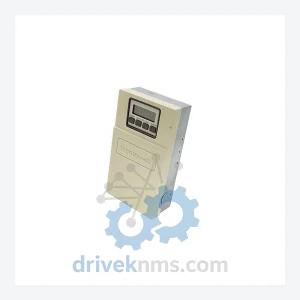
Honeywell T775E1056 Process Controller – T775 Series
Honeywell T775E1056 is listed for T775 Series RFQ review. Confirm quantity, condition and destination before quotation.
RFQ-ready industrial model
Model: DC-TDOB11
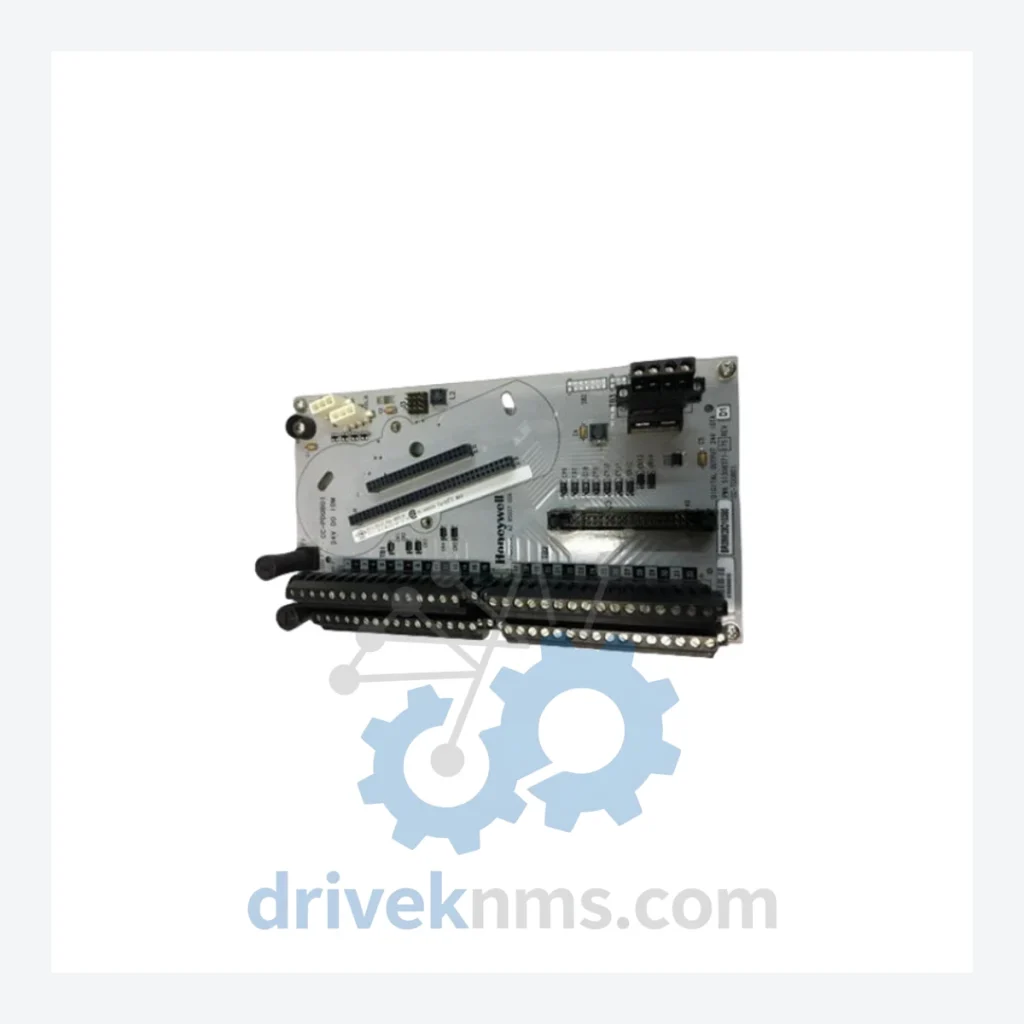
Product Overview
Commercial availability is handled through direct RFQ, model verification and export-oriented follow-up rather than public cart checkout.
Datasheet Preview
Use attached product manuals when available. If the manual is not public yet, request the full file directly through RFQ.
Commercial Path
Product pages on DRIVEKNMS are designed to verify model, brand and series first, then move the buyer into one clean quotation path.
Technical Dossier
The Honeywell DC Series — deployed under the TotalPlant Solution (TPS) and TDC 3000 distributed control system architecture — represents one of the most widely installed DCS platforms in global heavy industry. Refineries across the Middle East, petrochemical complexes in Southeast Asia, pulp and paper mills in Scandinavia, and nuclear auxiliary systems in North America have operated on this platform for decades. The installed base is measured in tens of thousands of nodes. Replacing an entire TDC 3000 or TPS system is not a maintenance decision — it is a capital project measured in millions of dollars and years of engineering time. For plant managers operating under budget constraints and production continuity obligations, maintaining the existing DC Series infrastructure through verified spare parts is the operationally rational choice.
Honeywell's DC Series traces its lineage to the TDC 2000 platform introduced in the late 1970s, which established the foundational concept of distributed process control using dedicated I/O modules communicating over a proprietary data highway. The TDC 3000 generation, released in the 1980s, introduced the Local Control Network (LCN) and the Universal Control Network (UCN), creating a hierarchical bus architecture that separated operator interface traffic from field I/O traffic. This architecture proved robust enough that many facilities continued operating it through the 1990s and into the 2000s without major hardware changes.
The TotalPlant Solution (TPS) era extended the platform further, introducing the Application Module (AM), the History Module (HM), and enhanced I/O subsystems while maintaining backward compatibility with existing DC Series field hardware. This compatibility commitment is both the platform's greatest operational strength and its current sourcing challenge: modules manufactured in the 1980s and 1990s are still required to maintain systems that cannot be economically migrated. Honeywell officially transitioned its DCS product line toward the Experion PKS platform in the early 2000s, placing the DC Series in end-of-life status. Spare parts production ceased, and the global supply of serviceable modules has been declining steadily since.
For facilities still operating TDC 3000 or TPS systems, the compatibility matrix is rigid. A DC-TDOB11 digital output module cannot be substituted with a generic relay card — it must communicate on the UCN/LCN bus using Honeywell's proprietary protocol, and the firmware embedded in the module must match the revision expected by the connected controller. This is not a commodity replacement scenario.
Digital Output Modules
Digital Input Modules
Analog Output Modules
Analog Input Modules
Controller & Processor Modules
Power Supply Modules
Communication & Network Modules
DriveKNMS maintains an active procurement network specifically targeting DC Series inventory. When a facility decommissions a TDC 3000 or TPS system, the recovered hardware enters our inspection and testing pipeline rather than being scrapped. This approach allows us to offer modules — including the DC-TDOB11 and related I/O cards — that are no longer available through any standard distribution channel.
DC Series modules present specific failure modes that require targeted inspection protocols. The backplane bus connectors on these modules use a multi-pin edge connector design that is susceptible to fretting corrosion after decades of thermal cycling. Standard visual inspection is insufficient — connector resistance must be measured under load to identify intermittent contact failures that will not appear in a bench power-on test.
Our QC process for DC Series modules includes: (1) full disassembly and inspection of the backplane connector pins under magnification, with mechanical cleaning and contact treatment where required; (2) electrolytic capacitor assessment — modules manufactured before 1995 use aluminum electrolytic capacitors with a rated service life of 10–15 years, and any capacitor showing elevated ESR or reduced capacitance is replaced with a specification-matched modern equivalent; (3) firmware version verification against the module's hardware revision label, cross-referenced against Honeywell's compatibility matrix to confirm the module will initialize correctly in the target system; (4) functional I/O channel testing using a dedicated UCN bus simulator, verifying that each output channel switches correctly and that the module responds to network commands within the specified timing window; (5) 48-hour burn-in at operating temperature before final packaging and dispatch.
Modules that do not pass all five stages are either returned for further rework or classified as parts-only units and sold accordingly. No module is shipped as functional unless it has completed the full test sequence.
Continue The Model Path
Move from this exact model into the matching system hub, brand archive, model-family archive or lifecycle sourcing route before sending a final RFQ list.
Related Paths
Honeywell T775E1056 is listed for T775 Series RFQ review. Confirm quantity, condition and destination before quotation.
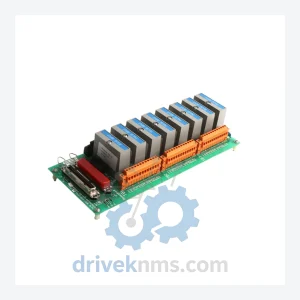
Honeywell MC-TPIX12 51304084-175 is listed for Series TotalPlant RFQ review. Confirm quantity, condition and destination before quotation.
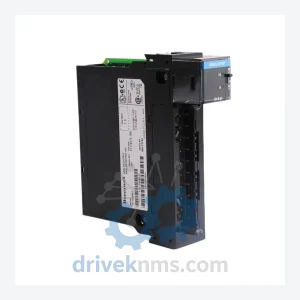
Honeywell TK-OAV061 is listed for PLC Modules RFQ review. Confirm quantity, condition and destination before quotation.