
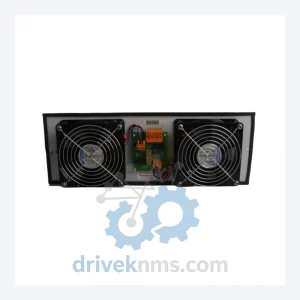
Honeywell FS-FANWR-24R Fan Assembly Kit – Obsolete TDC3000 Spare Part
Honeywell FS-FANWR-24R is listed for FANWR-24R Fan Assembly Kit RFQ review. Confirm quantity, condition and destination before quotation.
RFQ-ready industrial model
Model: FC-FANWR-24R
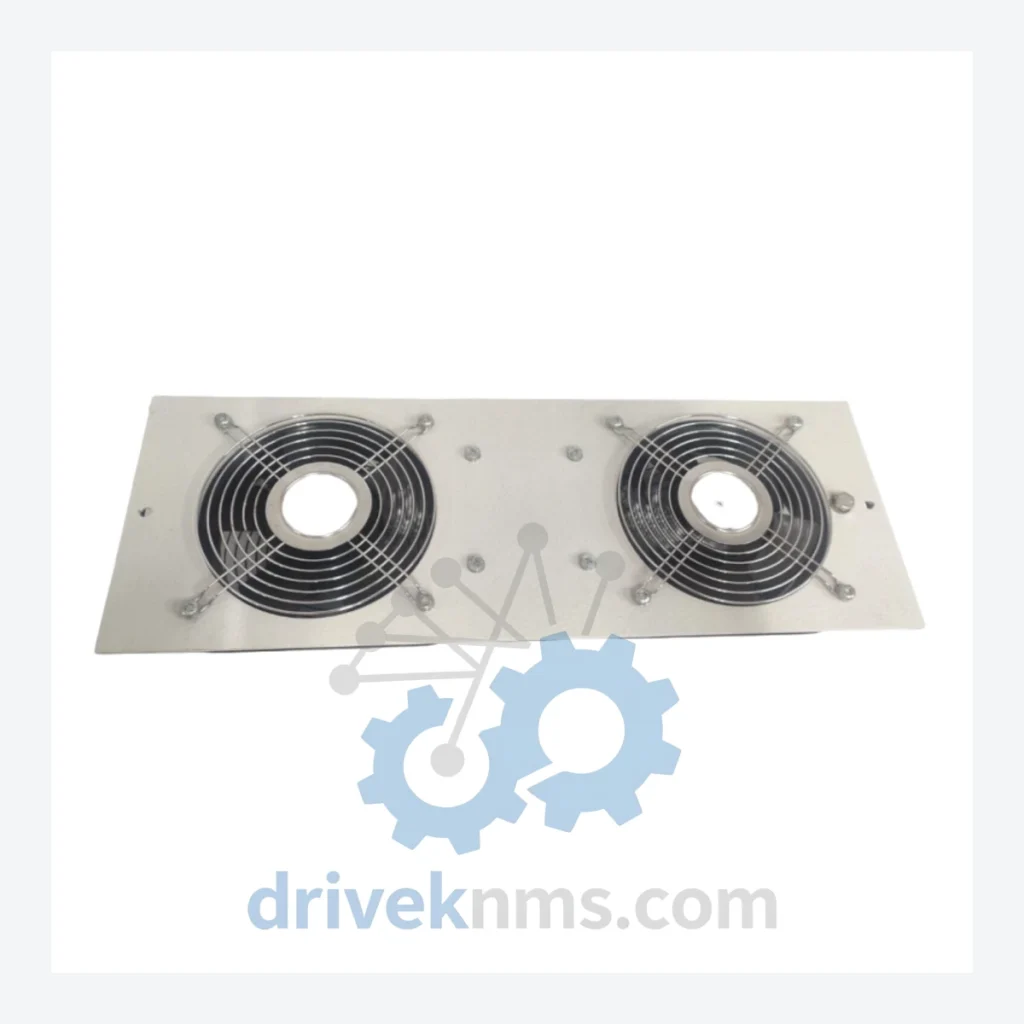
Product Overview
Commercial availability is handled through direct RFQ, model verification and export-oriented follow-up rather than public cart checkout.
Datasheet Preview
Use attached product manuals when available. If the manual is not public yet, request the full file directly through RFQ.
Commercial Path
Product pages on DRIVEKNMS are designed to verify model, brand and series first, then move the buyer into one clean quotation path.
Technical Dossier
Q: How are RFQ terms confirmed?
A: Quantity, required condition, documentation needs, destination and sourcing route are confirmed during RFQ review before quotation.
Note: Electrical parameters beyond those listed above are not published here to prevent misapplication. Contact our technical team for full datasheet verification prior to installation.
Plants operating Honeywell legacy systems in continuous process industries — refining, chemical, power generation, pulp and paper — face a compounding problem: their systems are deeply embedded in safety-instrumented functions and regulatory compliance frameworks. Replacing the control platform is not simply a capital expenditure decision; it requires re-engineering, re-validation, and re-certification. Maintaining the existing hardware with genuine spare parts is, in most cases, the only operationally and financially rational path for the next 5 to 10 years.
For plant managers and maintenance engineers facing system retirement pressure, the following approach has been applied successfully across multiple industrial facilities to defer costly platform migrations:
3. Source from Verified Obsolete Parts Specialists. General industrial distributors do not maintain obsolete inventory. Sourcing from specialists who inspect, test, and document the condition of discontinued components is the only way to ensure the part you receive will perform to original specification.
5. Document and Protect Your Configuration. Ensure all firmware versions, configuration files, and wiring documentation for your legacy Honeywell system are backed up and stored off-site. Hardware availability is only half the equation — configuration loss can make even a working spare unusable.
Every FC-FANWR-24R unit shipped by DriveKNMS passes a structured 5-step inspection protocol before dispatch:
Step 1 – Electrolytic Capacitor Assessment: Fan motor driver circuits contain electrolytic capacitors that degrade over time regardless of usage. Each unit is inspected for capacitor bulging, leakage, and ESR deviation. Units with degraded capacitors are either recapped with equivalent-spec components or rejected.
Step 2 – Firmware and Label Verification: Where applicable, firmware revision markings and hardware revision labels are cross-referenced against known Honeywell revision histories to confirm the unit matches the specification required for your system revision.
Step 4 – Mechanical Integrity Check: Fan blade condition, bearing play, and housing integrity are verified. Units with cracked housings or detectable bearing wear are not shipped.
This matters because every hour of engineering time spent adapting an incompatible component is an hour of production risk and cost. A genuine replacement part eliminates that variable entirely. There is no re-commissioning procedure, no updated wiring diagram, and no system revalidation required — the replacement is mechanically and electrically identical to the original.
For facilities under pressure to justify continued operation of legacy Honeywell infrastructure, the availability of genuine drop-in spares is a direct argument against premature system retirement. Each successful maintenance event extends the productive life of the asset and defers capital expenditure to a point where it can be planned, budgeted, and executed on the facility's terms — not forced by an emergency failure.
Continue The Model Path
Move from this exact model into the matching system hub, brand archive, model-family archive or lifecycle sourcing route before sending a final RFQ list.
Related Paths
Honeywell FS-FANWR-24R is listed for FANWR-24R Fan Assembly Kit RFQ review. Confirm quantity, condition and destination before quotation.
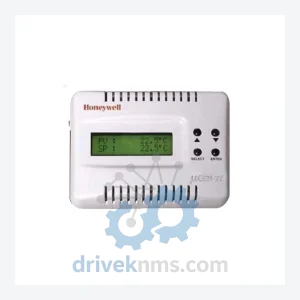
Honeywell T2798I-1000 is listed for T2000 Series RFQ review. Confirm quantity, condition and destination before quotation.
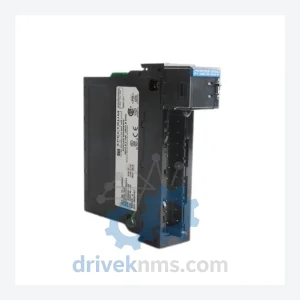
Honeywell TC-PPD011 is listed for Controller Cards RFQ review. Confirm quantity, condition and destination before quotation.