
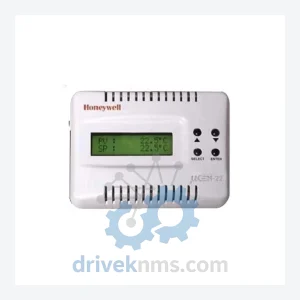
Honeywell T2798I-1000 Digital Thermostat – T2000 Series
Honeywell T2798I-1000 is listed for T2000 Series RFQ review. Confirm quantity, condition and destination before quotation.
RFQ-ready industrial model
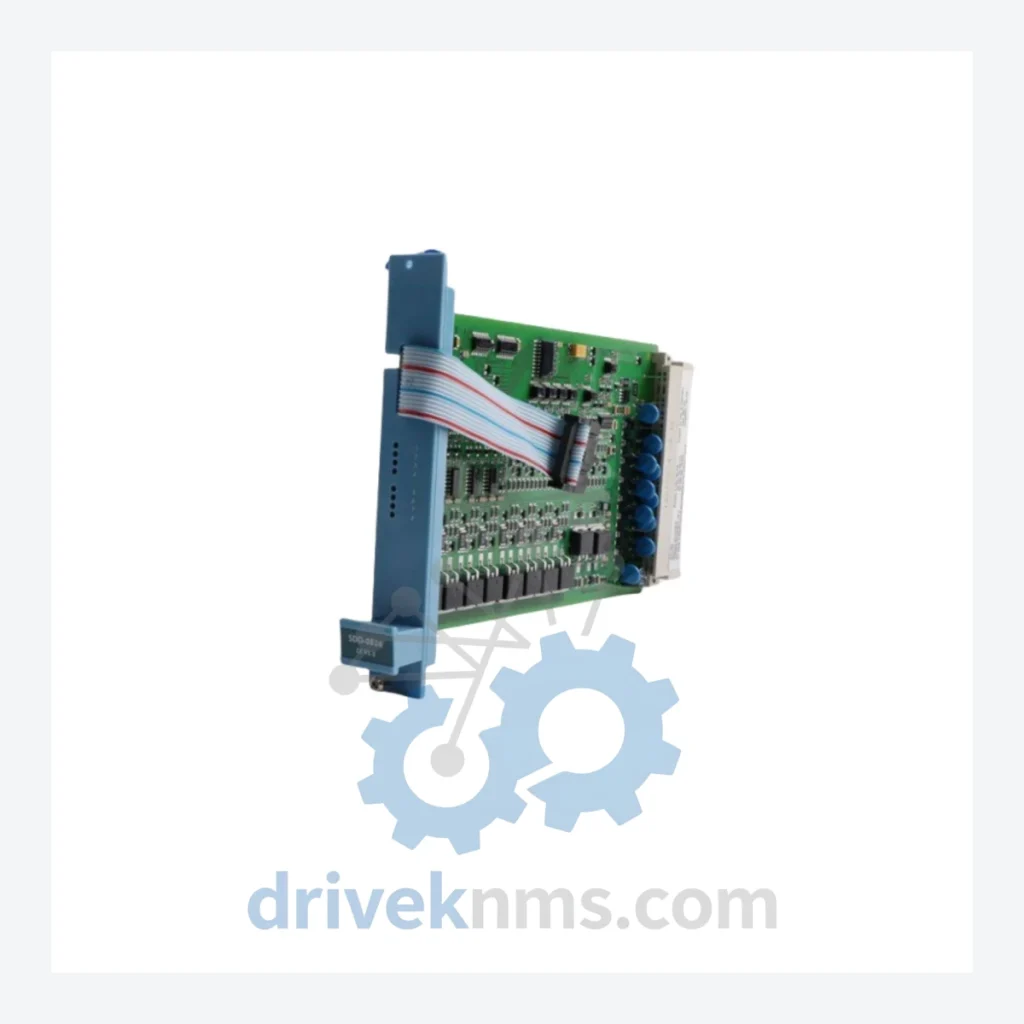
Model: FC-IO-0001 V1.0
Product Overview
Commercial availability is handled through direct RFQ, model verification and export-oriented follow-up rather than public cart checkout.
Datasheet Preview
Use attached product manuals when available. If the manual is not public yet, request the full file directly through RFQ.
Commercial Path
Product pages on DRIVEKNMS are designed to verify model, brand and series first, then move the buyer into one clean quotation path.
Technical Dossier
The FC Series traces its origin to Honeywell's integration of Elcon's FSC (Fail-Safe Controller) technology following acquisition in the late 1990s. The original FSC platform employed a dual-processor, 2oo3 (two-out-of-three) voting logic structure with a proprietary parallel backplane bus. This architecture was engineered for maximum fault tolerance in SIL 3 applications, with each I/O module executing independent self-diagnostics on every scan cycle.
As process industries demanded tighter integration between Safety Instrumented Systems and Basic Process Control Systems (BPCS), Honeywell evolved the platform through several distinct generations. The Safety Manager platform (mid-2000s) introduced a high-speed serial I/O bus, replacing the parallel backplane and reducing inter-module wiring complexity. Hot-swap capability was introduced for I/O modules, eliminating the requirement for planned shutdowns during module replacement — a critical operational improvement for continuous-process facilities. The ControlEdge Safety Controller (2010s onward) further modernized the architecture with Ethernet-based I/O communication, IEC 61131-3 programming compliance, and native integration with Honeywell's Experion PKS distributed control system.
Legacy FSC modules carrying the FC-xxx prefix remain in active service at thousands of sites globally. Cross-compatibility between FSC and Safety Manager hardware generations is a primary sourcing consideration for maintenance engineers managing mixed-generation installations. The FC-IO-0001 V1.0 belongs to the first-generation FC I/O expansion family and is no longer manufactured, making secondary-market sourcing the primary procurement path for sites maintaining this hardware revision.
The following SKUs represent verified, commonly stocked components within the Honeywell FC / FSC / Safety Manager series. Each entry reflects a distinct functional role within the system architecture. SKUs are organized by functional category.
I/O Extended & Mixed I/O Modules
Digital Input (DI) Modules
Digital Output (DO) Modules
Analog Input (AI) Modules
Analog Output (AO) Modules
CPU / Controller Modules
Communication & Network Modules
Power Supply Modules
FC Series modules present specific verification challenges due to their safety-rated backplane bus architecture, internal self-diagnostic circuits, and SIL-certification requirements. DriveKNMS applies a multi-stage protocol to all FC Series inventory prior to dispatch:
Continue The Model Path
Move from this exact model into the matching system hub, brand archive, model-family archive or lifecycle sourcing route before sending a final RFQ list.
Related Paths
Honeywell T2798I-1000 is listed for T2000 Series RFQ review. Confirm quantity, condition and destination before quotation.
Honeywell TC-PPD011 is listed for Controller Cards RFQ review. Confirm quantity, condition and destination before quotation.
Honeywell MC-TDOY22 51204162-175 is listed for Controller Cards RFQ review. Confirm quantity, condition and destination before quotation.