
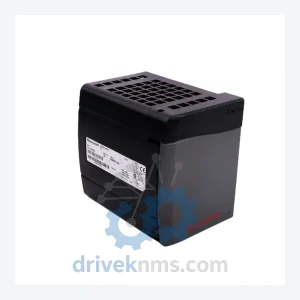
Honeywell TC-FPDXX2 Power Supply Module – Obsolete C300 Spare Part
Honeywell TC-FPDXX2 is listed for Power Supplies RFQ review. Confirm quantity, condition and destination before quotation.
RFQ-ready industrial model
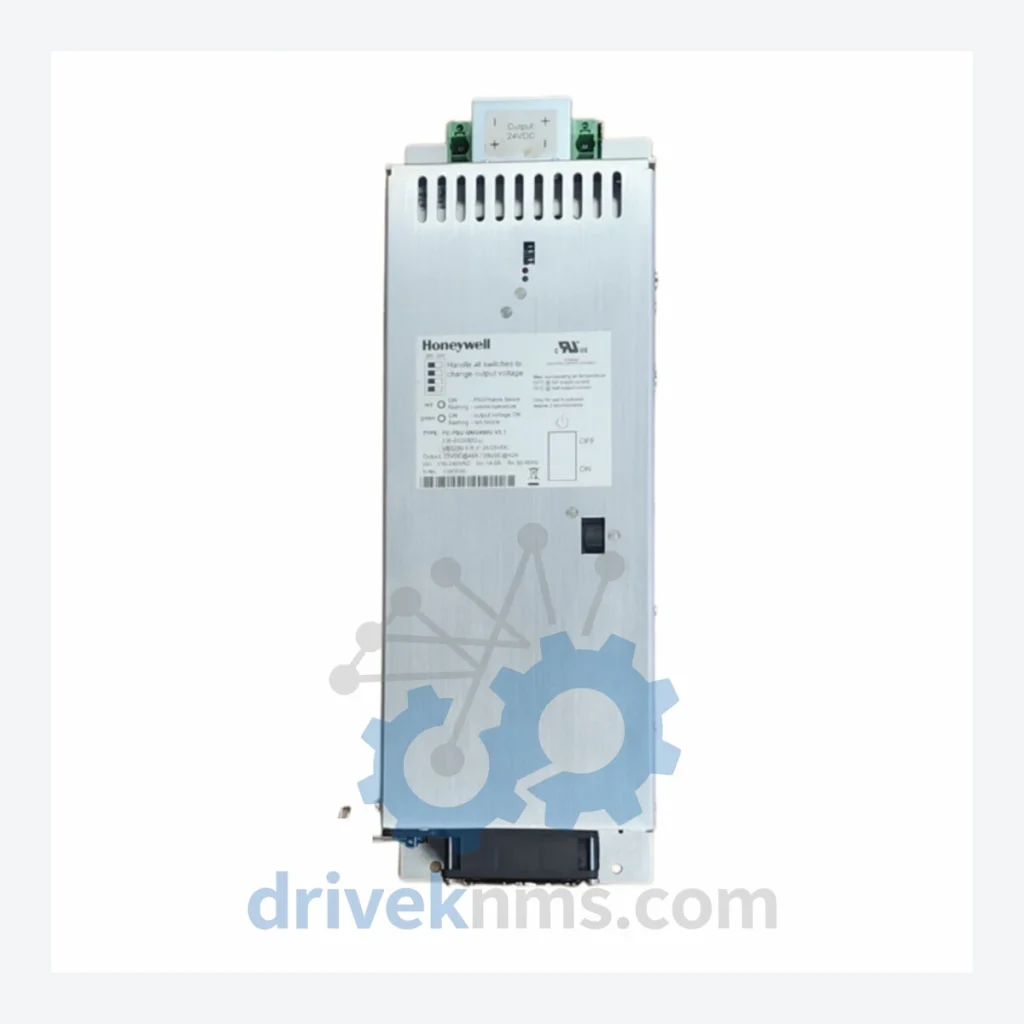
Model: FC-PSU-UNI2450U V2.1
Product Overview
Commercial availability is handled through direct RFQ, model verification and export-oriented follow-up rather than public cart checkout.
Datasheet Preview
Use attached product manuals when available. If the manual is not public yet, request the full file directly through RFQ.
Commercial Path
Product pages on DRIVEKNMS are designed to verify model, brand and series first, then move the buyer into one clean quotation path.
Technical Dossier
RFQ support for obsolete parts: Send the model number, required quantity and destination so DriveKNMS can confirm sourcing options before quotation.
Note: Electrical parameters (input voltage range, output rails, current ratings) are not published here to prevent specification errors. Confirmed technical data is provided upon request with your system documentation.
The FC-PSU-UNI2450U V2.1 is not a commodity component. It is a chassis-integrated power supply designed to precise electrical tolerances for Honeywell's UNI-series backplane architecture. There is no generic substitute that can be installed without engineering validation, and in most jurisdictions, unauthorized hardware substitution in a safety-instrumented process environment requires a formal Management of Change (MOC) procedure — a process that can take months and carries its own operational risk.
Plants that have operated Honeywell TDC 3000 or early Experion PKS installations for 15 to 25 years have accumulated significant embedded value: tuned control loops, validated alarm philosophies, operator muscle memory, and process historian data tied to that specific hardware architecture. Replacing the control system does not transfer that value — it destroys it and forces a rebuild from zero.
The practical strategy adopted by asset-intensive industries — refining, petrochemicals, power generation, pulp and paper — is to extend the operational life of proven DCS hardware through disciplined spare parts management. A verified FC-PSU-UNI2450U V2.1 held in climate-controlled storage is not a sunk cost. It is insurance against a multi-million dollar forced upgrade on the worst possible timeline: during an unplanned outage.
Industry maintenance data consistently shows that plants with a structured obsolete-parts inventory program extend legacy DCS asset life by 5 to 10 years beyond the OEM's stated end-of-support date. The cost of that program — acquiring critical spares at current market prices — is typically less than 1% of the cost of a full system migration.
DriveKNMS applies a structured 5-step quality assurance process to all power supply modules before they are offered for sale. This process is designed specifically for the failure modes common to aged industrial power electronics:
Units that do not pass all five steps are not offered for sale. Condition grade (New Surplus, Refurbished, or Tested Used) is disclosed explicitly in the order confirmation.
How do I confirm the unit is genuine and at the correct hardware revision?
Every unit shipped by DriveKNMS includes documentation of its condition grade and the inspection steps completed. Hardware revision markings are verified as part of Step 3 of our QA process. We do not sell units where revision identity cannot be confirmed.
Continue The Model Path
Move from this exact model into the matching system hub, brand archive, model-family archive or lifecycle sourcing route before sending a final RFQ list.
Related Paths
Honeywell TC-FPDXX2 is listed for Power Supplies RFQ review. Confirm quantity, condition and destination before quotation.
Honeywell TK-FPDXX2 is listed for Experion PKS Series RFQ review. Confirm quantity, condition and destination before quotation.
Honeywell FC-PSU-UNI2450U is listed for UNI2450U Series RFQ review. Confirm quantity, condition and destination before quotation.