
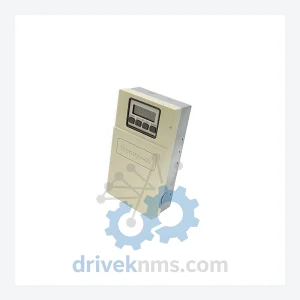
Honeywell T775E1056 Process Controller – T775 Series
Honeywell T775E1056 is listed for T775 Series RFQ review. Confirm quantity, condition and destination before quotation.
RFQ-ready industrial model
Model: FC-SAI-0410
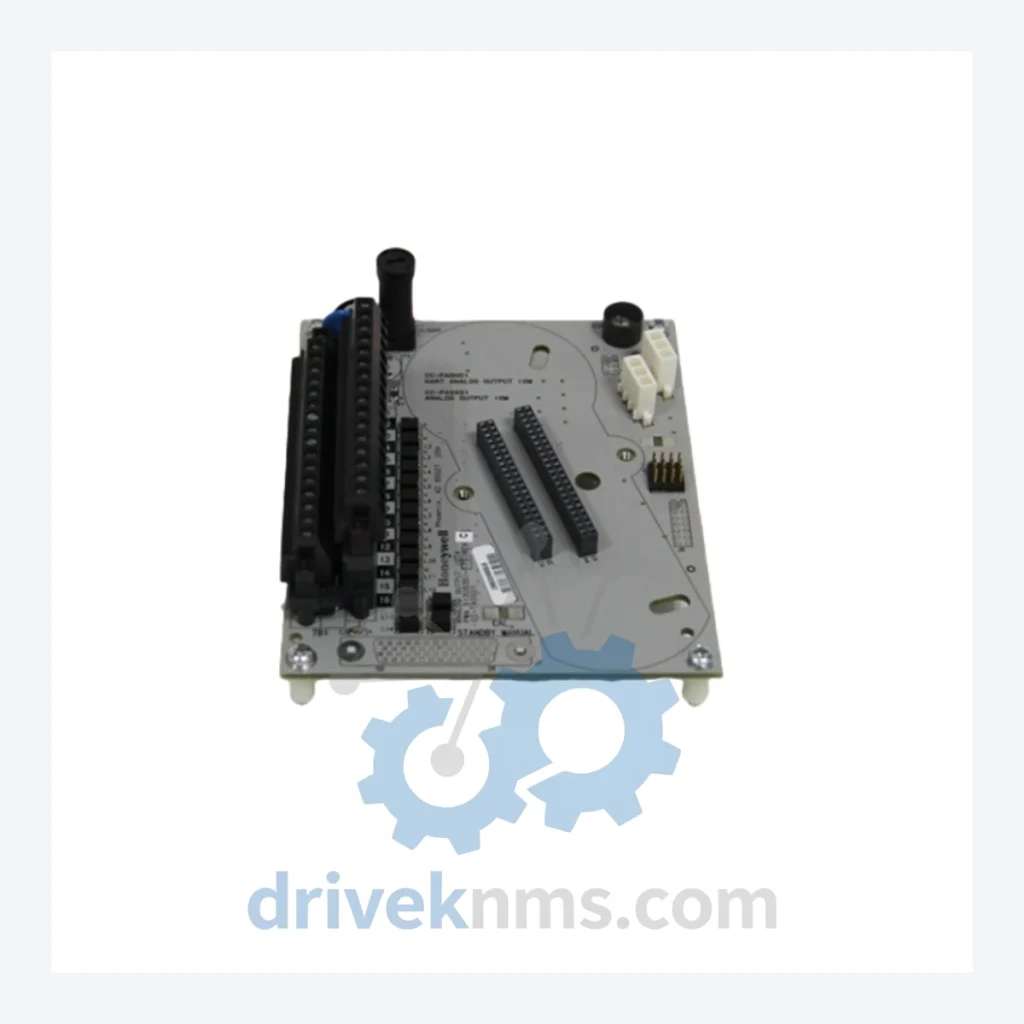
Product Overview
Commercial availability is handled through direct RFQ, model verification and export-oriented follow-up rather than public cart checkout.
Datasheet Preview
Use attached product manuals when available. If the manual is not public yet, request the full file directly through RFQ.
Commercial Path
Product pages on DRIVEKNMS are designed to verify model, brand and series first, then move the buyer into one clean quotation path.
Technical Dossier
RFQ support for obsolete parts: Send the model number, required quantity and destination so DriveKNMS can confirm sourcing options before quotation.
| Parameter | Detail |
|---|---|
| Part Number | FC-SAI-0410 |
| Manufacturer | Honeywell |
| Product Series | FSC (Fail Safe Controller) |
| Module Type | Safe Analog Input Module |
| Number of Channels | 4 analog input channels |
| OEM Status | Discontinued / Obsolete – No longer manufactured |
| Compatible Systems | Honeywell FSC Safety Controller; Honeywell Safety Manager (legacy configurations) |
| Communication | FSC backplane bus |
| Certifications | Designed for SIL 2 / SIL 3 safety loop applications (verify against your SIL assessment) |
| Country of Origin | United States |
Note: Electrical parameters not independently verified by DriveKNMS are intentionally omitted. Buyers should cross-reference Honeywell FSC hardware documentation for full specification confirmation.
The Honeywell FSC platform was widely deployed across oil & gas, petrochemical, and power generation facilities throughout the 1990s and 2000s. Its architecture — built around dedicated safety-rated I/O modules like the FC-SAI-0410 — was designed for deterministic, fault-tolerant operation in environments where a single sensor misread can trigger a plant-wide emergency shutdown.
Honeywell has since transitioned its safety portfolio to the Safety Manager SC platform. FSC hardware, including the FC-SAI-0410, is no longer manufactured or supported through standard OEM channels. This creates a structural supply problem: the installed base of FSC systems remains large, but the replacement parts market is thin and shrinking.
For facilities still operating FSC-based safety instrumented systems (SIS), the practical options are limited. A full migration to Safety Manager SC or a third-party SIL-certified platform requires re-engineering every safety loop, re-validating the safety case, and obtaining updated SIL certification — a process that typically takes 18 to 36 months and consumes engineering resources that most maintenance teams do not have available on short notice. Procuring a verified FC-SAI-0410 spare extends the operational life of the existing system without triggering that cascade of costs. For a plant running 24/7 with a safety system that has been stable for 15 years, that continuity has measurable financial value.
How to extend your FSC system life by 5–10 years without a full migration:
Plant managers who treat obsolete safety system spares as a procurement afterthought consistently face the worst outcomes: emergency sourcing at inflated prices, unverified parts from uncontrolled channels, and migration projects executed under duress. The FC-SAI-0410 is available today. That window will not remain open indefinitely.
DriveKNMS applies a 5-step inspection protocol to all obsolete safety system modules before dispatch review. For a module that will be installed in a SIL-rated safety loop, the condition of the unit is not a secondary consideration.
Should I buy more than one unit?
For any FSC installation with more than one FC-SAI-0410 installed, holding at least two cold spares is a defensible maintenance strategy. Secondary market availability of this module will continue to decline as FSC systems are decommissioned globally. Procurement cost today is significantly lower than emergency sourcing cost in 12 to 24 months.
Continue The Model Path
Move from this exact model into the matching system hub, brand archive, model-family archive or lifecycle sourcing route before sending a final RFQ list.
Related Paths
Honeywell T775E1056 is listed for T775 Series RFQ review. Confirm quantity, condition and destination before quotation.
Honeywell MC-TPIX12 51304084-175 is listed for Series TotalPlant RFQ review. Confirm quantity, condition and destination before quotation.
Honeywell TK-OAV061 is listed for PLC Modules RFQ review. Confirm quantity, condition and destination before quotation.