
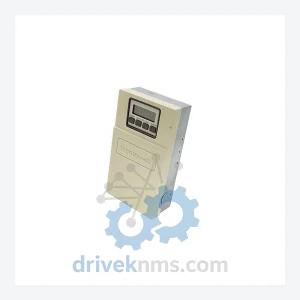
Honeywell T775E1056 Process Controller – T775 Series
Honeywell T775E1056 is listed for T775 Series RFQ review. Confirm quantity, condition and destination before quotation.
RFQ-ready industrial model
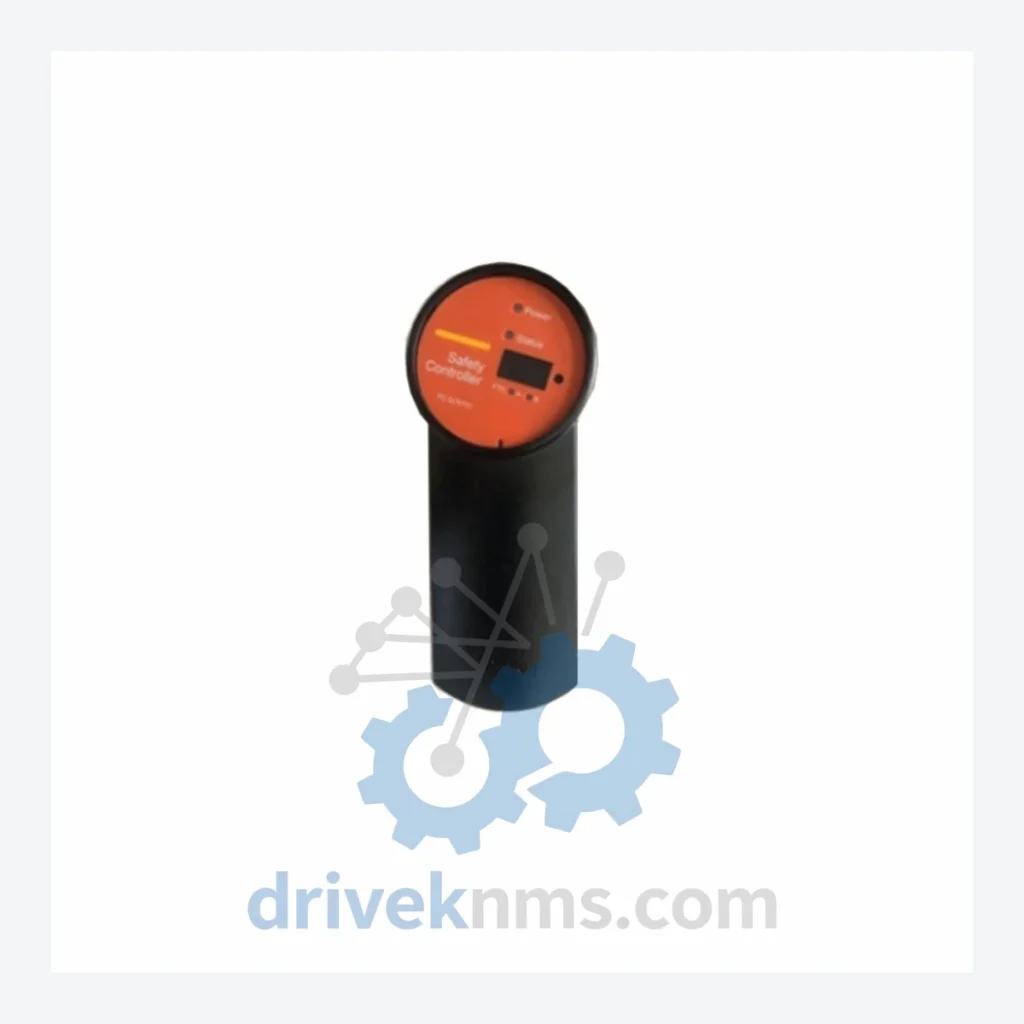
Model: FC-SCNT02 FC-TCNT11 FC-SCNT01 FC-SSWM01 .CC-SDRX01
Product Overview
Commercial availability is handled through direct RFQ, model verification and export-oriented follow-up rather than public cart checkout.
Datasheet Preview
Use attached product manuals when available. If the manual is not public yet, request the full file directly through RFQ.
Commercial Path
Product pages on DRIVEKNMS are designed to verify model, brand and series first, then move the buyer into one clean quotation path.
Technical Dossier
When a fire safety controller module fails in a legacy Honeywell FS Series installation, the consequences extend far beyond a line item on a maintenance budget. A full system migration — including new panel engineering, cable re-routing, software re-commissioning, third-party integration re-validation, and mandatory re-certification — routinely runs into the hundreds of thousands of dollars, and in large industrial or commercial facilities, the figure climbs higher still. The modules listed here — FC-SCNT02, FC-TCNT11, FC-SCNT01, FC-SSWM01, and CC-SDRX01 — are no longer manufactured. DriveKNMS holds RFQ-reviewed sourcing status. Securing a replacement unit now is not a procurement decision; it is an asset protection decision.
RFQ support for obsolete parts: Send the model number, required quantity and destination so DriveKNMS can confirm sourcing options before quotation.
Note: Electrical parameters specific to each sub-module are not published here to avoid inaccuracy. Confirmed specifications are provided upon request with supporting documentation.
The Honeywell FS Series fire safety platform was deployed extensively across industrial plants, commercial high-rises, hospitals, and data centers throughout the 1990s and 2000s. The controller modules in this listing — particularly the FC-SCNT02 system controller and the FC-TCNT11 loop controller — sit at the functional core of these panels. They manage loop communication, device polling, event processing, and output control. There is no software patch that compensates for a failed hardware module of this type.
Q: How are RFQ terms confirmed?
A: Quantity, required condition, documentation needs, destination and sourcing route are confirmed during RFQ review before quotation.
For plant managers and facility directors facing pressure to defer capital expenditure, a structured spare parts strategy is the most defensible low-cost maintenance approach available. The logic is straightforward: the failure modes of legacy electronic modules are well understood. Electrolytic capacitor degradation, firmware corruption from power transients, and connector oxidation account for the majority of field failures in panels of this age. Each of these failure modes is addressable — provided a replacement module is on hand.
Facilities that follow this approach consistently report that they can defer panel replacement decisions by a full budget cycle or more, buying time for planned — rather than forced — system upgrades.
DriveKNMS applies a five-step quality process to all refurbished units before dispatch review.
Step 1 – Visual and Physical Inspection: Each board is examined under magnification for physical damage, burn marks, cracked solder joints, and corrosion on connector pins and PCB traces.
Step 2 – Electrolytic Capacitor Assessment: Capacitors are tested for capacitance value, ESR (equivalent series resistance), and leakage. Units with out-of-tolerance capacitors are either re-capped with equivalent-specification components or quarantined.
Step 3 – Firmware Version Verification: Where accessible, firmware versions are read and documented. Modules are matched to the firmware revision appropriate for the target system generation.
Step 4 – Connector and Pin Integrity: All edge connectors and pin headers are cleaned, inspected for oxidation, and tested for continuity. Corroded contacts are treated or the unit is rejected.
Step 5 – Functional Bench Test: Units are powered and tested against known-good reference behavior before being cleared for shipment.
Drop-in replacement: These modules are designed to seat directly into the existing panel chassis. No mechanical modification is required.
No re-programming required (configuration-dependent): In most installations, replacing a module of the same part number and firmware revision does not require re-entry of zone programming. Existing configuration is retained in the panel's non-volatile memory. Verify this against your specific panel revision before installation.
Maintains certification continuity: In many jurisdictions, replacing a module with an identical part number does not trigger a full re-certification requirement, whereas a panel replacement does. Confirm with your local authority having jurisdiction (AHJ).
Q: How do I confirm the unit is new or genuinely refurbished, not a counterfeit?
A: We provide full inspection documentation with each shipment, including photographs taken during the QA process, the technician's sign-off sheet, and — where applicable — firmware version records. We do not source from unverified brokers. Our supply chain for Honeywell FS Series components is traceable.
Q: Should I buy more than one unit?
A: For critical modules such as the FC-SCNT02 and FC-TCNT11, holding a minimum of two spares per installed panel is a defensible position. Secondary modules such as the FC-SSWM01 and CC-SDRX01 warrant at least one spare per site. The cost of carrying this inventory is a fraction of the cost of an unplanned outage or forced system replacement.
Q: Can you source specific firmware revisions?
A: We will attempt to match firmware revisions on request. Provide your current panel firmware version when inquiring and we will advise on availability.
Continue The Model Path
Move from this exact model into the matching system hub, brand archive, model-family archive or lifecycle sourcing route before sending a final RFQ list.
Related Paths
Honeywell T775E1056 is listed for T775 Series RFQ review. Confirm quantity, condition and destination before quotation.
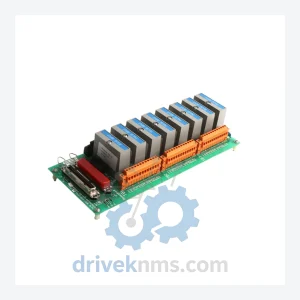
Honeywell MC-TPIX12 51304084-175 is listed for Series TotalPlant RFQ review. Confirm quantity, condition and destination before quotation.
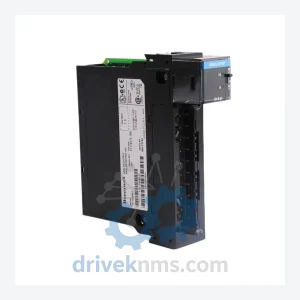
Honeywell TK-OAV061 is listed for PLC Modules RFQ review. Confirm quantity, condition and destination before quotation.