
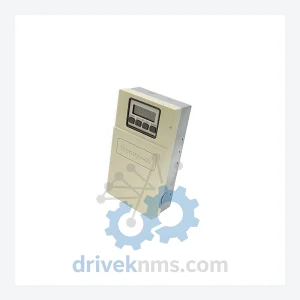
Honeywell T775E1056 Process Controller – T775 Series
Honeywell T775E1056 is listed for T775 Series RFQ review. Confirm quantity, condition and destination before quotation.
RFQ-ready industrial model
Model: FC-TRO-1024
Product Overview
Commercial availability is handled through direct RFQ, model verification and export-oriented follow-up rather than public cart checkout.
Datasheet Preview
Use attached product manuals when available. If the manual is not public yet, request the full file directly through RFQ.
Commercial Path
Product pages on DRIVEKNMS are designed to verify model, brand and series first, then move the buyer into one clean quotation path.
Technical Dossier
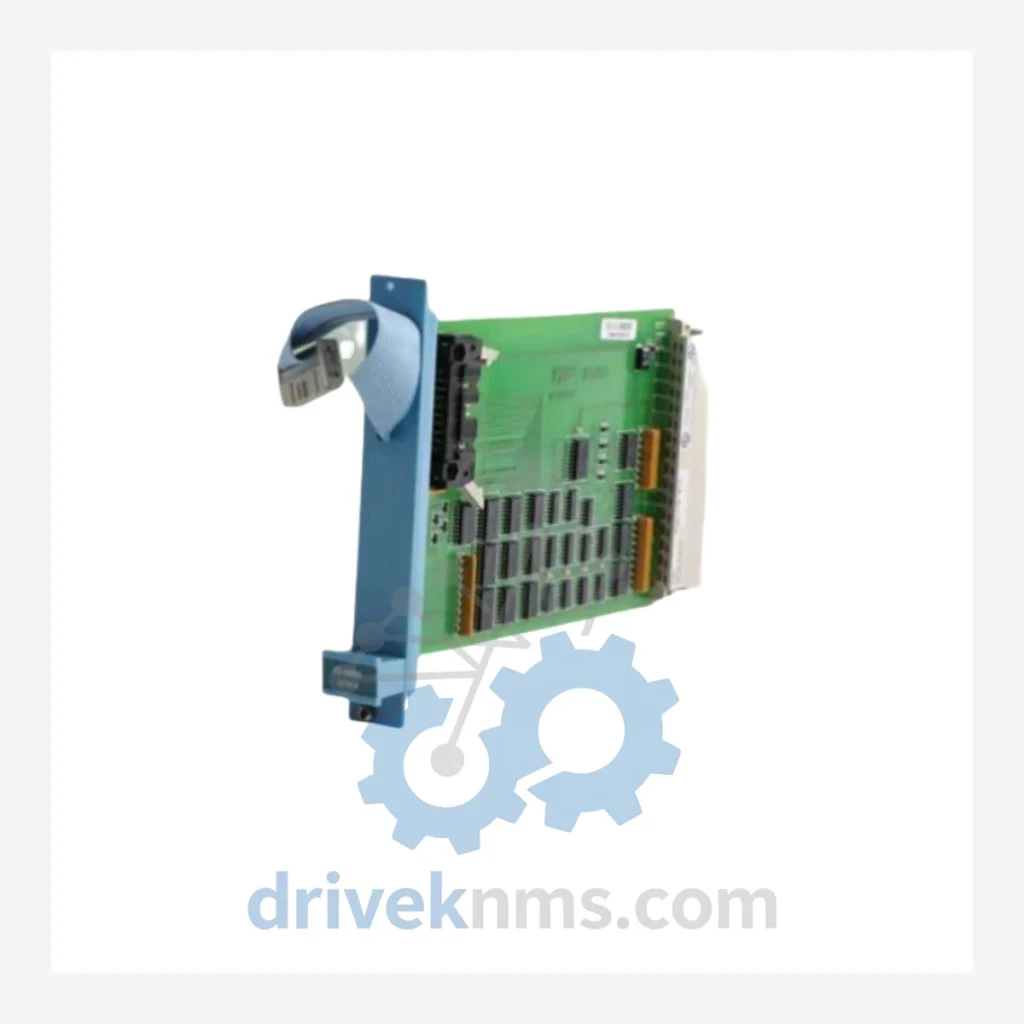
When a digital output module fails in a Honeywell TDC3000 distributed control system, the consequences extend far beyond a single I/O card. The TDC3000 platform — deployed across refineries, chemical plants, and power generation facilities throughout the 1980s and 1990s — was engineered as a tightly integrated architecture. Replacing it today means not just purchasing new hardware, but funding a full-scale control system migration: new engineering workstations, re-wiring of field terminations, re-configuration of thousands of control loops, operator retraining, and a production shutdown that can run into weeks. Conservative industry estimates place such migrations at USD $2–8 million per unit, depending on plant complexity. The FC-TRO-1024 digital output module is a direct, drop-in component within this architecture. A single verified spare on the shelf eliminates that exposure entirely.
RFQ support for obsolete parts: Send the model number, required quantity and destination so DriveKNMS can confirm sourcing options before quotation.
Note: Specific electrical parameters (voltage ratings, channel count, output current) are verified against physical unit markings and original documentation at time of sale. No parameters are published here that have not been independently confirmed. Contact us for a full datasheet reference.
The Honeywell TDC3000 was not designed for modular replacement with modern alternatives. Its proprietary Local Control Network (LCN) and Universal Control Network (UCN) communication protocols do not map cleanly onto current DCS platforms. Field engineers who have attempted hybrid migrations — retaining TDC3000 infrastructure while grafting on Experion PKS nodes — report significant integration costs and extended commissioning timelines.
For plant managers operating facilities built around TDC3000 architecture, the practical calculus is straightforward: maintaining a verified inventory of critical I/O modules such as the FC-TRO-1024 costs a fraction of one percent of a full migration budget, yet it eliminates the single most common trigger for unplanned system retirement — an irreplaceable hardware failure with no available replacement.
The FC-TRO-1024 handles digital output functions within the TDC3000 I/O subsystem. Loss of this module in an active control loop can result in loss of actuator command capability — a condition that, depending on the process, may require a controlled shutdown. Plants running continuous processes (ethylene crackers, hydrocracker units, ammonia synthesis loops) face the highest exposure. A documented spare strategy for modules in this category is not a procurement preference — it is an operational risk management decision.
How to extend your TDC3000 asset life by 5–10 years at low cost:
Every FC-TRO-1024 unit processed by DriveKNMS passes a structured five-stage inspection protocol before it is offered for sale. This protocol was developed specifically for legacy industrial hardware, where standard consumer-grade testing is insufficient.
Q: How are RFQ terms confirmed?
A: Quantity, required condition, documentation needs, destination and sourcing route are confirmed during RFQ review before quotation.
Can this module be used in a TPS (TotalPlant Solution) system?
The TDC3000 and TPS platforms share significant hardware lineage. Compatibility with specific TPS configurations should be confirmed against your system's hardware revision documentation before procurement. Contact our technical team for guidance.
Continue The Model Path
Move from this exact model into the matching system hub, brand archive, model-family archive or lifecycle sourcing route before sending a final RFQ list.
Related Paths
Honeywell T775E1056 is listed for T775 Series RFQ review. Confirm quantity, condition and destination before quotation.
Honeywell MC-TPIX12 51304084-175 is listed for Series TotalPlant RFQ review. Confirm quantity, condition and destination before quotation.
Honeywell TK-OAV061 is listed for PLC Modules RFQ review. Confirm quantity, condition and destination before quotation.