
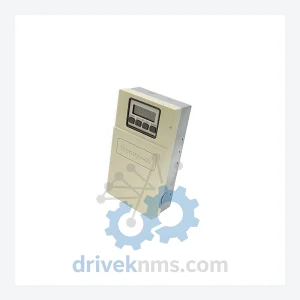
Honeywell T775E1056 Process Controller – T775 Series
Honeywell T775E1056 is listed for T775 Series RFQ review. Confirm quantity, condition and destination before quotation.
RFQ-ready industrial model
Model: FS-RO-1024
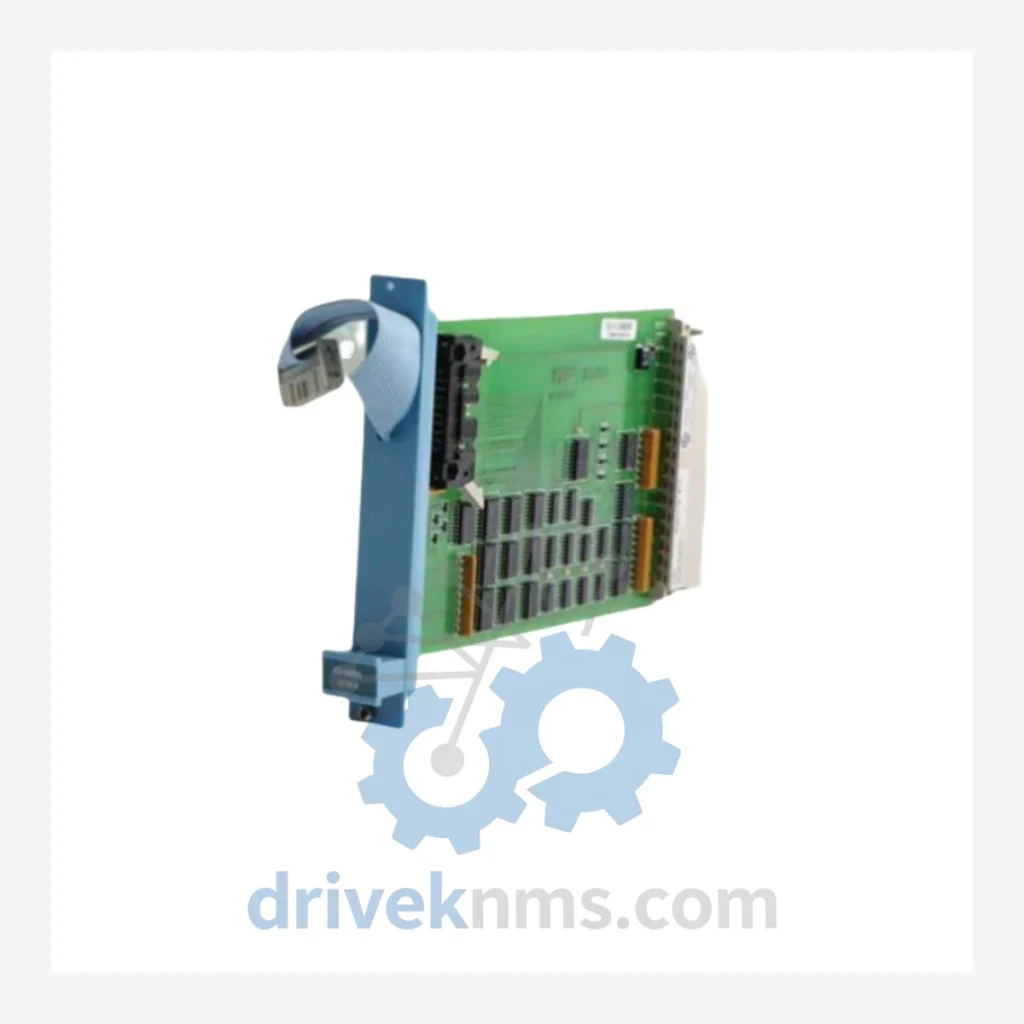
Product Overview
Commercial availability is handled through direct RFQ, model verification and export-oriented follow-up rather than public cart checkout.
Datasheet Preview
Use attached product manuals when available. If the manual is not public yet, request the full file directly through RFQ.
Commercial Path
Product pages on DRIVEKNMS are designed to verify model, brand and series first, then move the buyer into one clean quotation path.
Technical Dossier
When a relay output module fails inside a Honeywell fire and gas detection system, the consequences extend far beyond a single component replacement. A full system upgrade — including new controllers, field wiring, I/O mapping, engineering hours, and mandatory safety re-certification — routinely runs into the hundreds of thousands of dollars, and in complex petrochemical or offshore environments, total migration costs can exceed seven figures. The FS-RO-1024 is a discontinued module. Finding a verified, functional unit on the open market is not straightforward. DriveKNMS maintains sourced inventory of hard-to-find safety system components precisely to prevent that forced upgrade scenario.
RFQ support for obsolete parts: Send the model number, required quantity and destination so DriveKNMS can confirm sourcing options before quotation.
Note: Electrical parameters such as relay contact ratings, output channel count, and supply voltage are not published here to avoid inaccuracy. Please contact us directly for verified datasheet documentation.
The Honeywell FSC (Fail Safe Controller) platform and associated fire and gas safety systems were deployed extensively across oil & gas, chemical processing, and power generation facilities throughout the 1990s and 2000s. The FS-RO-1024 relay output module serves as a critical interface between the safety logic controller and field actuators — shutdown valves, audible alarms, suppression systems. There is no software patch that replaces a failed relay output card. The module must be physically present and functional for the safety loop to operate.
Facilities running legacy Honeywell fire and gas platforms are not in an unusual position — the majority of installed safety systems globally are operating beyond their original design lifecycle. The question is not whether to eventually migrate, but how to manage the timeline on your terms rather than being forced into an emergency upgrade by a single component failure.
The following approach has been applied successfully by maintenance teams managing aging safety infrastructure:
1. Critical Spare Identification: Audit your FSC or equivalent system and identify every module type that has no current OEM supply. The FS-RO-1024 is one such module. Map each module to the safety functions it supports and rank by consequence of failure.
3. Condition Monitoring: Relay output modules in legacy systems are subject to contact wear, coil degradation, and PCB contamination over time. Implement periodic functional testing of relay outputs as part of your scheduled safety system proof test. Early detection of degradation allows planned replacement rather than emergency response.
5. Migration Planning on Your Schedule: Use the operational window created by spare part availability to plan a structured migration — budgeted, engineered, and scheduled during a planned turnaround — rather than executing an emergency replacement under production pressure. This approach consistently delivers lower total cost and better safety outcomes.
Every FS-RO-1024 unit processed by DriveKNMS goes through a structured five-step inspection protocol before it is offered for sale:
Step 1 – Visual and Physical Inspection: Full examination of the PCB, connector pins, and housing for corrosion, mechanical damage, or evidence of prior field failure. Units with pin corrosion or burn marks are rejected at this stage.
Step 2 – Electrolytic Capacitor Assessment: Legacy modules of this era are susceptible to electrolytic capacitor aging — bulging, leakage, or elevated ESR. Capacitors are inspected and, where necessary, replaced with specification-matched components before the unit proceeds.
Step 3 – Firmware and Configuration Verification: Where the module carries firmware or configuration data, the version is documented and confirmed against known-good references. No unauthorized modifications are accepted.
Step 4 – Functional Output Testing: Relay outputs are exercised under load conditions to verify switching function, contact integrity, and response timing.
Step 5 – Final Documentation and Packaging: Each unit is documented with inspection records and packaged in anti-static, moisture-protected packaging suitable for long-term storage if required.
The FS-RO-1024 is a direct drop-in replacement for the original installed module. No re-engineering of the safety logic, no modification to field wiring, and no reprogramming of the controller is required. The module slots into the existing rack, connects to the existing backplane, and restores system function. This is the fundamental advantage of sourcing the correct obsolete spare part versus pursuing a system upgrade: the engineering cost is near zero, and the system returns to its validated, certified state without triggering a re-qualification event.
For facilities operating under IEC 61511 or equivalent functional safety standards, maintaining the as-built system configuration with like-for-like replacement is the lowest-risk path. Introducing new hardware into a certified safety system requires change management, hazard review, and potentially a new safety integrity level (SIL) verification. A verified FS-RO-1024 replacement avoids all of that.
Q: How do I know the unit is genuine and not a counterfeit?
A: All units are sourced through documented supply channels. Physical markings, part number labels, and PCB characteristics are verified against reference units. We do not source from unverified bulk lots.
Q: Should I buy more than one unit?
A: For any module that is confirmed discontinued with no OEM supply path, holding at least one additional spare beyond your immediate need is a sound maintenance practice. Secondary market availability of specific obsolete modules can disappear without notice. If your facility has multiple FS-RO-1024 units installed, we recommend discussing a small strategic reserve with our team.
Continue The Model Path
Move from this exact model into the matching system hub, brand archive, model-family archive or lifecycle sourcing route before sending a final RFQ list.
Related Paths
Honeywell T775E1056 is listed for T775 Series RFQ review. Confirm quantity, condition and destination before quotation.
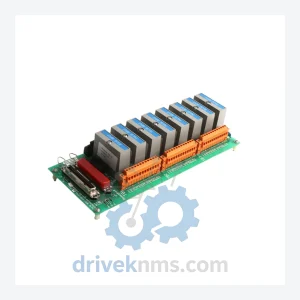
Honeywell MC-TPIX12 51304084-175 is listed for Series TotalPlant RFQ review. Confirm quantity, condition and destination before quotation.
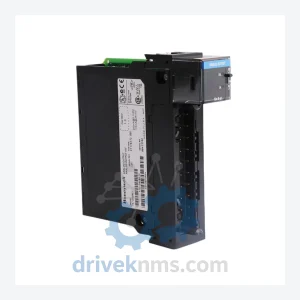
Honeywell TK-OAV061 is listed for PLC Modules RFQ review. Confirm quantity, condition and destination before quotation.