
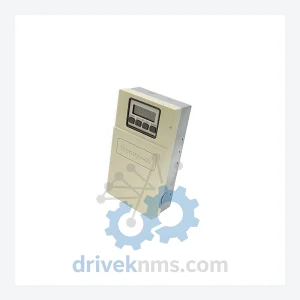
Honeywell T775E1056 Process Controller – T775 Series
Honeywell T775E1056 is listed for T775 Series RFQ review. Confirm quantity, condition and destination before quotation.
RFQ-ready industrial model
Model: FS-SMSB-ST-100
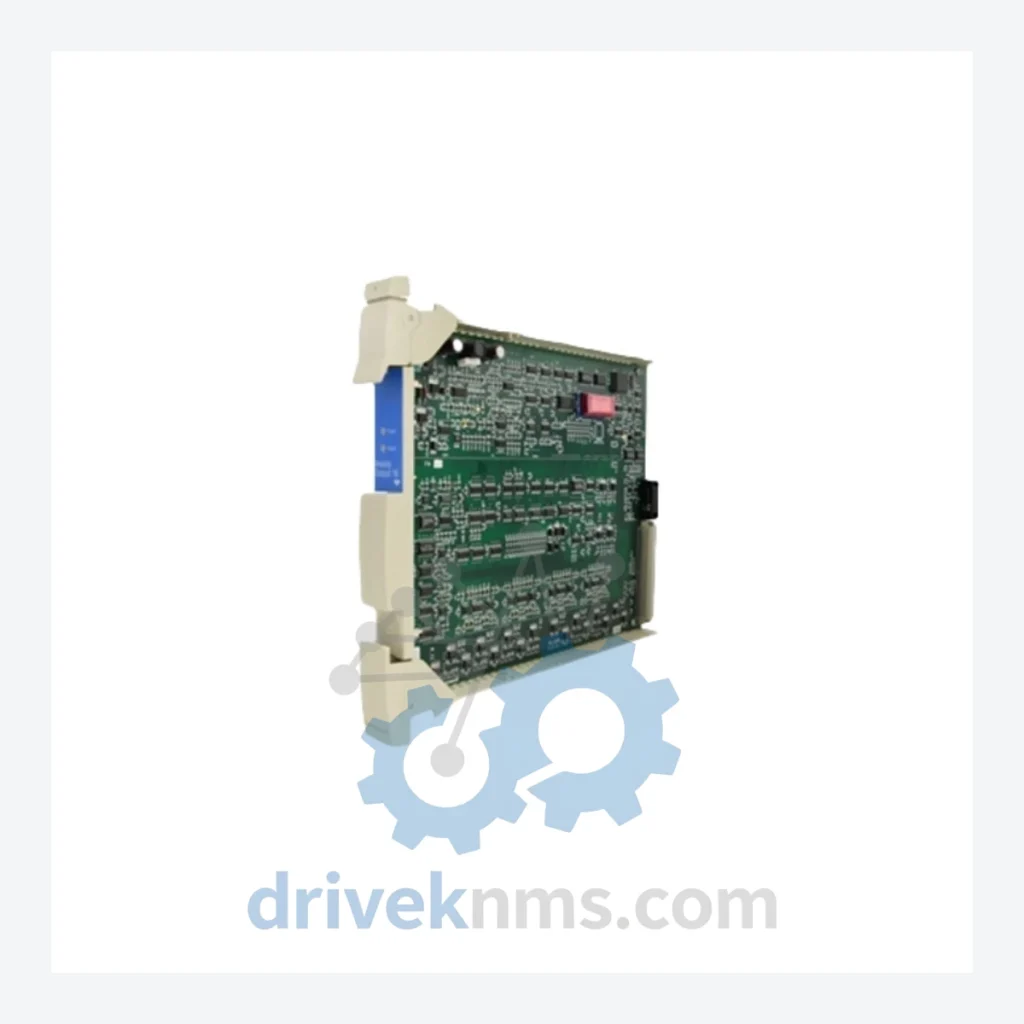
Product Overview
Commercial availability is handled through direct RFQ, model verification and export-oriented follow-up rather than public cart checkout.
Datasheet Preview
Use attached product manuals when available. If the manual is not public yet, request the full file directly through RFQ.
Commercial Path
Product pages on DRIVEKNMS are designed to verify model, brand and series first, then move the buyer into one clean quotation path.
Technical Dossier
RFQ support for obsolete parts: Send the model number, required quantity and destination so DriveKNMS can confirm sourcing options before quotation.
| Part Number | FS-SMSB-ST-100 |
| Manufacturer | Honeywell Process Solutions |
| Product Family | Safety Manager / FSC (Fail-Safe Controller) |
| Module Function | Safety Manager Base / Carrier Module |
| Certification | SIL 3 capable (system-level, per IEC 61511) |
| Discontinuation Status | Obsolete – No longer manufactured or sold by Honeywell |
| Compatible Systems | Honeywell Safety Manager (SM), FSC platform |
| Country of Origin | United States |
| Condition Available | New surplus / Professionally refurbished (see QA section) |
The Honeywell FSC / Safety Manager platform has been the backbone of functional safety infrastructure in process industries for over two decades. Many facilities running this architecture are operating under extended lifecycle agreements or simply cannot justify the capital expenditure of a full safety system replacement during a period of compressed margins.
The FS-SMSB-ST-100 base module is a structural component of the Safety Manager chassis. Without it, I/O modules and processor cards cannot be seated or powered correctly. There is no field-fabricated workaround. There is no cross-brand substitute that does not require full system re-engineering, re-validation to IEC 61511, and regulatory re-approval — a process that typically takes 18 to 36 months and consumes engineering resources that most maintenance teams do not have available.
Facilities that have secured a verified spare of this module have, in documented cases, avoided full system replacement cycles and extended operational continuity by 7 to 12 years beyond the manufacturer's stated end-of-support date. The arithmetic is straightforward: one spare module at a fraction of a percent of system replacement cost versus a multi-million-dollar forced migration on an emergency timeline.
For plant managers and reliability engineers operating under asset lifecycle pressure, the strategic question is not whether to source this part — it is whether to source it before or after a failure event. Sourcing after a failure means negotiating from a position of zero leverage, with production stopped.
DriveKNMS applies a 5-step inspection and restoration protocol to all obsolete safety system components before dispatch review:
Each unit ships with a condition report. Traceability documentation is available on request.
The decision to extend a legacy safety system rather than replace it is a capital allocation decision, not a technical one. The technical path is well-established. What follows is the framework that plant management teams have used to justify and execute 5–10 year life extensions on Honeywell FSC and Safety Manager platforms:
2. Establish a lifecycle cost comparison. A full safety system replacement — including engineering, hardware, installation, validation, and lost production during cutover — rarely costs less than USD 1.5 million for a mid-size system. A targeted sparing program covering the 8–12 highest-risk module types typically costs under USD 150,000. The ROI case does not require sophisticated modeling.
3. Negotiate extended support contracts selectively. Honeywell and authorized integrators may offer extended support agreements for FSC/Safety Manager platforms. These agreements are more defensible to regulators and insurers when paired with a documented spare parts inventory, because they demonstrate that the facility has a credible plan for hardware failure scenarios.
4. Document your MOC boundary. Replacing a failed module with an identical spare is generally within the existing SIL certification boundary, provided the replacement is documented under the site's management of change procedure. This is a critical distinction: it means a like-for-like spare replacement does not automatically trigger a full re-validation cycle. Confirm this interpretation with your functional safety engineer before a failure event — not after.
5. Plan for controlled decommissioning, not forced retirement. The difference between a planned system migration and an emergency forced migration is measured in millions of dollars and months of schedule. Facilities that maintain adequate spare coverage retain the option to migrate on their own timeline, during a planned turnaround, with full engineering resources available. Facilities that do not maintain spare coverage lose that option the moment a critical module fails.
Q: How are RFQ terms confirmed?
A: Quantity, required condition, documentation needs, destination and sourcing route are confirmed during RFQ review before quotation.
Q: Can you source other Honeywell FSC / Safety Manager components?
A: Yes. DriveKNMS specializes in hard-to-find and obsolete components across the Honeywell Safety Manager, FSC, TDC 3000, and Experion platforms. Contact us with your full bill of materials for a consolidated quotation.
Continue The Model Path
Move from this exact model into the matching system hub, brand archive, model-family archive or lifecycle sourcing route before sending a final RFQ list.
Related Paths
Honeywell T775E1056 is listed for T775 Series RFQ review. Confirm quantity, condition and destination before quotation.
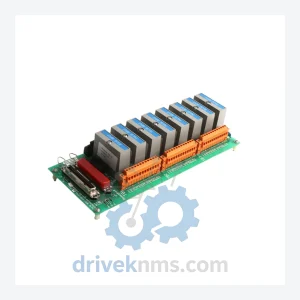
Honeywell MC-TPIX12 51304084-175 is listed for Series TotalPlant RFQ review. Confirm quantity, condition and destination before quotation.
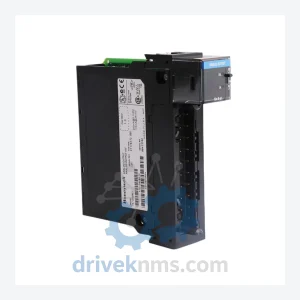
Honeywell TK-OAV061 is listed for PLC Modules RFQ review. Confirm quantity, condition and destination before quotation.