
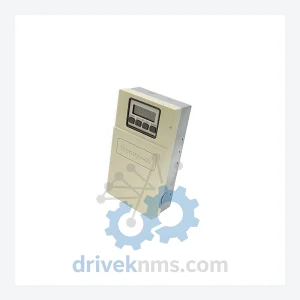
Honeywell T775E1056 Process Controller – T775 Series
Honeywell T775E1056 is listed for T775 Series RFQ review. Confirm quantity, condition and destination before quotation.
RFQ-ready industrial model
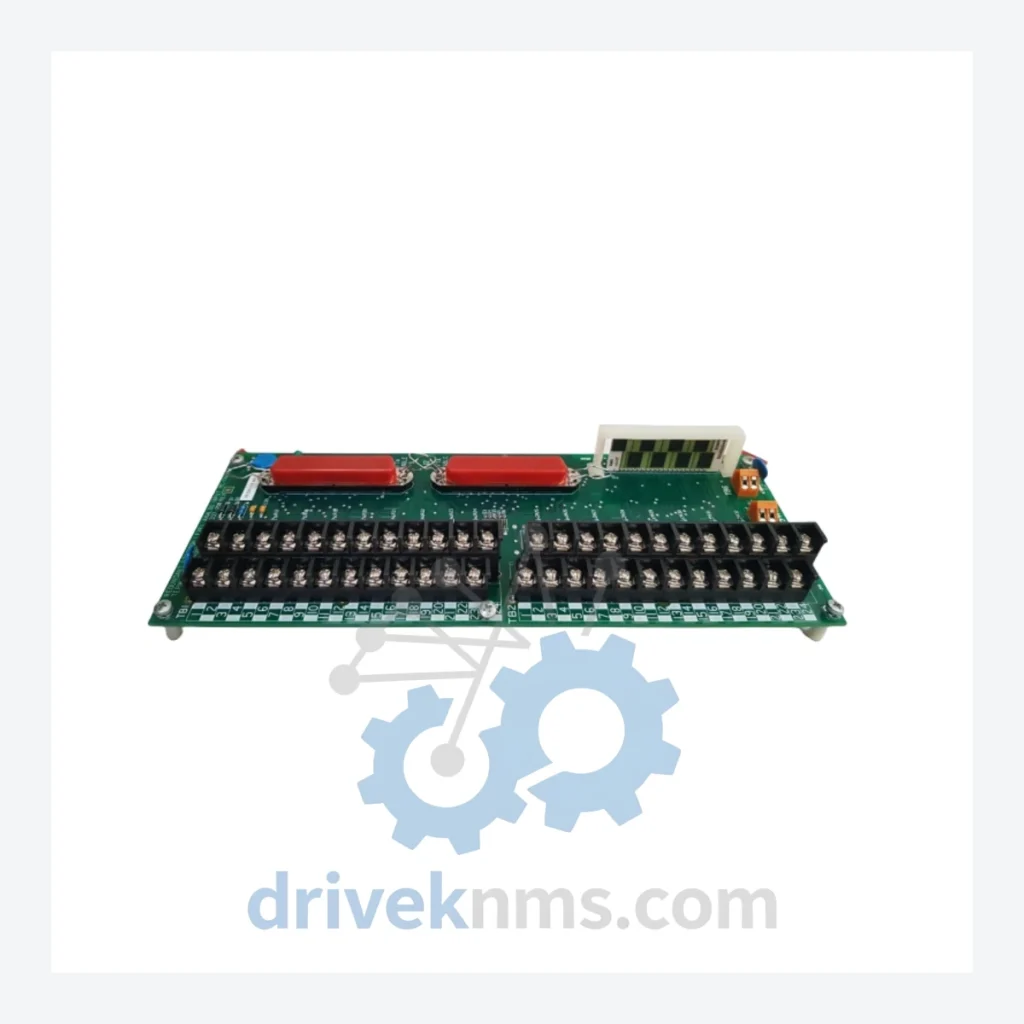
Model: MC-TAIH52 51304337-250
Product Overview
Commercial availability is handled through direct RFQ, model verification and export-oriented follow-up rather than public cart checkout.
Datasheet Preview
Use attached product manuals when available. If the manual is not public yet, request the full file directly through RFQ.
Commercial Path
Product pages on DRIVEKNMS are designed to verify model, brand and series first, then move the buyer into one clean quotation path.
Technical Dossier
RFQ support for obsolete parts: Send the model number, required quantity and destination so DriveKNMS can confirm sourcing options before quotation.
| Parameter | Detail |
|---|---|
| Manufacturer | Honeywell |
| Part Number | MC-TAIH52 / 51304337-250 |
| Module Type | Thermocouple / mV Analog Input |
| Series / Platform | Honeywell Experion PKS / TDC 3000 C300 Controller Series |
| Product Status | Discontinued / Obsolete – No longer manufactured |
| Country of Origin | United States |
| Form Factor | Plug-in I/O module for Honeywell FTA (Field Termination Assembly) |
| Compatible FTA | MC-TAIH52 pairs with corresponding Honeywell FTA for thermocouple inputs |
| Condition Available | New surplus / Professionally refurbished (see QA section below) |
The Honeywell Experion PKS and its predecessor TDC 3000 represent decades of capital investment in process automation infrastructure. These platforms remain operational in refineries, chemical plants, power generation facilities, and pharmaceutical manufacturing lines worldwide — not because operators are unaware of newer alternatives, but because the cost and risk of migration are prohibitive.
The MC-TAIH52 sits at a critical junction in these systems: it handles thermocouple and millivolt signal conditioning for temperature measurement loops. Temperature monitoring is not a peripheral function. In most process industries, it is directly tied to product quality control, safety interlock systems, and regulatory reporting. A failed analog input module in this role does not produce a warning — it produces a gap in process visibility that operators cannot safely ignore.
For plant managers and maintenance engineers operating under capital expenditure constraints, the secondary market is not a compromise — it is the operationally sound decision. A verified spare module purchased today can defer a multi-million dollar migration project by five to ten years, provided the unit is properly sourced, tested, and stored.
DriveKNMS specializes in exactly this procurement challenge. We maintain sourcing relationships across the global industrial surplus market and apply a structured verification process before any obsolete module is offered for sale.
Step 1 – Physical Inspection: Full visual examination of the PCB, connector pins, and housing. Units with physical damage, corrosion, or evidence of field repair are rejected at this stage.
Step 2 – Electrolytic Capacitor Assessment: Aging electrolytic capacitors are the primary failure mode in modules of this vintage. Each unit is inspected for capacitor bulging, leakage, and ESR degradation. Units with compromised capacitors are either recapped by qualified technicians or removed from inventory.
Step 3 – Pin and Connector Integrity: Backplane connector pins are examined under magnification for oxidation, mechanical deformation, and contact resistance. Corroded pins are treated or the unit is rejected.
Step 4 – Firmware Version Verification: Where accessible, firmware revision is documented and cross-referenced against known compatible versions for the target Experion PKS or TDC 3000 configuration. Version mismatches are disclosed to the buyer prior to shipment.
Units that pass all five stages are classified as Qualified Surplus. Units that pass steps 1–4 but cannot be bench-tested due to equipment constraints are classified as Inspected Surplus and priced accordingly. Classification is disclosed on every invoice.
The MC-TAIH52 is a direct hardware replacement for the same module position within the Honeywell Experion PKS I/O subsystem. There is no firmware re-flashing required on the replacement unit itself, and no changes to the controller configuration database are necessary when replacing a failed module with an identical part number and compatible firmware revision.
This drop-in replacement characteristic is the core economic argument for sourcing spare modules rather than pursuing system migration. Engineering time for a module swap is measured in hours. Engineering time for a validated DCS migration is measured in months. The cost differential is not marginal — it is structural.
Q: Should we buy one spare or multiple units?
A: For a module in active use within a critical control loop, the standard recommendation is a minimum of two spares per installed base of up to ten modules. For facilities with more than ten MC-TAIH52 units installed, a holding of three to five spares is a defensible maintenance position. Given that this part is discontinued and secondary market availability will continue to decline, procurement decisions made today carry lower cost and lower risk than the same decision made after a failure event.
Continue The Model Path
Move from this exact model into the matching system hub, brand archive, model-family archive or lifecycle sourcing route before sending a final RFQ list.
Related Paths
Honeywell T775E1056 is listed for T775 Series RFQ review. Confirm quantity, condition and destination before quotation.
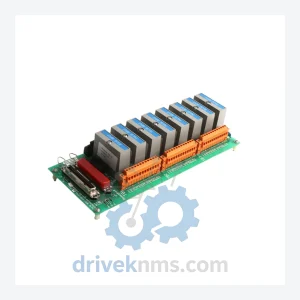
Honeywell MC-TPIX12 51304084-175 is listed for Series TotalPlant RFQ review. Confirm quantity, condition and destination before quotation.
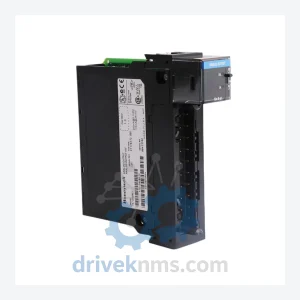
Honeywell TK-OAV061 is listed for PLC Modules RFQ review. Confirm quantity, condition and destination before quotation.