
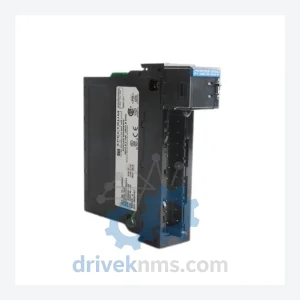
Honeywell TC-PPD011 Extension Battery Module – Obsolete Spare Part
Honeywell TC-PPD011 is listed for Controller Cards RFQ review. Confirm quantity, condition and destination before quotation.
RFQ-ready industrial model
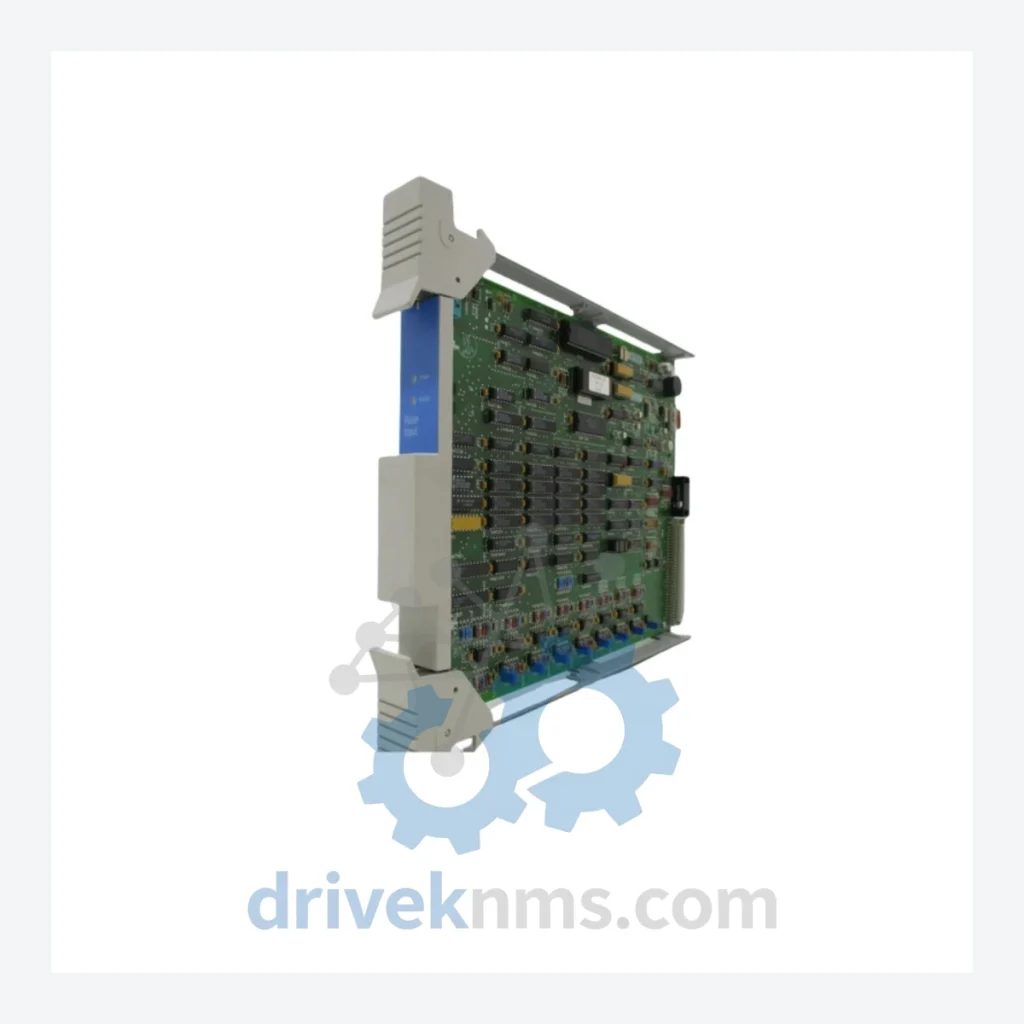
Model: MU-PPIX02
Product Overview
Commercial availability is handled through direct RFQ, model verification and export-oriented follow-up rather than public cart checkout.
Datasheet Preview
Use attached product manuals when available. If the manual is not public yet, request the full file directly through RFQ.
Commercial Path
Product pages on DRIVEKNMS are designed to verify model, brand and series first, then move the buyer into one clean quotation path.
Technical Dossier
RFQ support for obsolete parts: Send the model number, required quantity and destination so DriveKNMS can confirm sourcing options before quotation.
| Part Number | MU-PPIX02 |
| Manufacturer | Honeywell |
| Series | TDC 3000 / TPS IOP |
| Module Type | Pulse Input IOP Module |
| Compatible Systems | Honeywell TDC 3000, TPS (Total Plant Solution) |
| Communication Bus | Local Control Network (LCN) / IOP Bus |
| Country of Origin | United States |
| Discontinuation Status | Discontinued – No longer manufactured or supported by Honeywell |
| Condition Available | New surplus / Professionally refurbished |
Note: Electrical parameters not listed here are application-dependent and should be verified against the Honeywell TDC 3000 IOP Module specification sheet for your specific revision level. DriveKNMS does not publish unverified parameters.
Q: How are RFQ terms confirmed?
A: Quantity, required condition, documentation needs, destination and sourcing route are confirmed during RFQ review before quotation.
The MU-PPIX02 specifically handles pulse input signals — turbine flow meters, positive displacement meters, and other frequency-based transmitters that feed critical flow totalization and custody transfer calculations. There is no software patch that replaces a failed hardware module. When the module fails, the loop goes dark.
A single unplanned shutdown day in a mid-scale refinery or chemical plant typically costs USD 500,000 to USD 1,000,000 in lost production and recovery labor. The arithmetic of proactive spare parts procurement is straightforward.
DriveKNMS applies a 5-step quality assurance process to all refurbished IOP modules before they leave our facility:
Q: How is condition confirmed before quotation?
A: Available condition, photos, test records and documentation are checked according to the requested model and sourcing channel before a formal RFQ response.
Q: Should we buy more than one unit?
A: For facilities running TDC 3000 systems with no planned migration in the next 3–5 years, holding a minimum of two MU-PPIX02 units is a defensible maintenance strategy. Secondary market availability for this module class is declining year over year. The cost of a second unit today is a fraction of the cost of an emergency procurement during a process upset.
Continue The Model Path
Move from this exact model into the matching system hub, brand archive, model-family archive or lifecycle sourcing route before sending a final RFQ list.
Related Paths
Honeywell TC-PPD011 is listed for Controller Cards RFQ review. Confirm quantity, condition and destination before quotation.
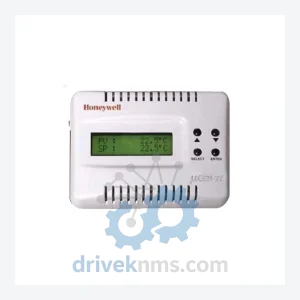
Honeywell T2798I-1000 is listed for T2000 Series RFQ review. Confirm quantity, condition and destination before quotation.
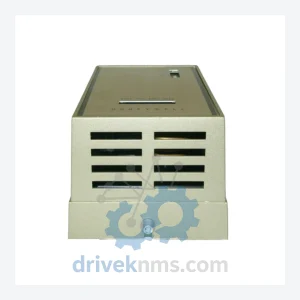
Honeywell T921D-1008 is listed for T921D Series RFQ review. Confirm quantity, condition and destination before quotation.