
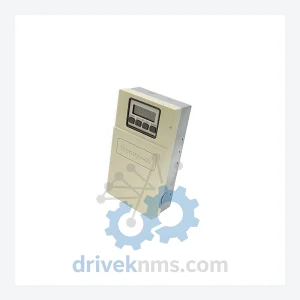
Honeywell T775E1056 Process Controller – T775 Series
Honeywell T775E1056 is listed for T775 Series RFQ review. Confirm quantity, condition and destination before quotation.
RFQ-ready industrial model
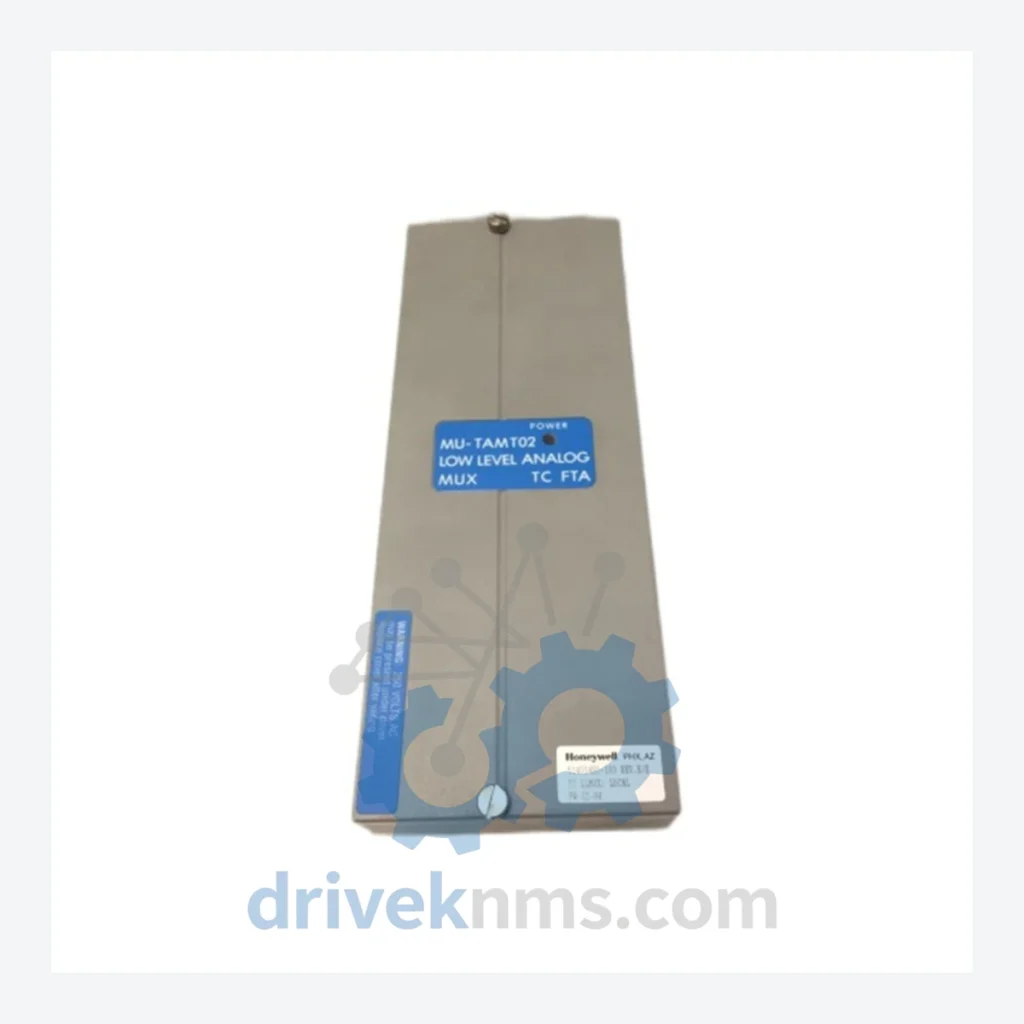
Model: MU-TAMT02 51401491-100
Product Overview
Commercial availability is handled through direct RFQ, model verification and export-oriented follow-up rather than public cart checkout.
Datasheet Preview
Use attached product manuals when available. If the manual is not public yet, request the full file directly through RFQ.
Commercial Path
Product pages on DRIVEKNMS are designed to verify model, brand and series first, then move the buyer into one clean quotation path.
Technical Dossier
RFQ support for obsolete parts: Send the model number, required quantity and destination so DriveKNMS can confirm sourcing options before quotation.
| Part Number | MU-TAMT02 / 51401491-100 |
| Manufacturer | Honeywell Process Solutions |
| Module Type | Analog Input Module |
| Compatible Platform | Honeywell TDC 3000, TPS (Total Plant Solution) |
| Series | MU-TAMT (Analog Measurement Module Series) |
| Product Status | Discontinued / Obsolete — no longer manufactured by Honeywell |
| Country of Origin | United States |
Note: Electrical parameters such as input range, channel count, and signal type are not published here to prevent specification errors. Confirmed technical data is provided upon request with your system documentation.
The Honeywell TDC 3000 platform was the backbone of refinery, chemical, and power generation control infrastructure for over two decades. Thousands of facilities worldwide still operate on this architecture — not by oversight, but by deliberate asset management strategy. The cost of keeping a proven DCS running with verified spare parts is a fraction of the cost of migration.
The MU-TAMT02 sits at a critical junction in the TDC 3000 I/O subsystem. It handles analog signal acquisition from field instruments — thermocouples, RTDs, and transmitters — and feeds that data into the High-Performance Process Manager (HPM) or the Process Manager (PM). When this module degrades or fails, the affected control loops go blind. In a continuous process environment, that means either unsafe manual operation or an unplanned shutdown.
Facilities that have extended their TDC 3000 systems by 5 to 10 years beyond the original decommission timeline share a common approach: they maintain a documented critical spare parts list, they source verified replacement modules before failure occurs, and they treat the DCS hardware inventory as a capital asset — not a consumable. A single MU-TAMT02 unit, secured in advance, can prevent a production loss event that costs more in one day than the module costs in a decade.
For plant managers facing board-level pressure to justify continued operation of legacy DCS infrastructure, the arithmetic is straightforward. The capital cost of a TDC 3000 to modern DCS migration — including I/O marshalling, graphics rebuild, FAT/SAT testing, and operator qualification — is measured in millions. The cost of maintaining a verified spare parts buffer is measured in thousands. The MU-TAMT02 is not a legacy liability. It is a low-cost insurance policy against a high-cost forced migration.
Obsolete modules sourced from secondary markets carry real risk. Age-related failure modes in DCS hardware are predictable, and our inspection process is structured around them.
Every MU-TAMT02 unit processed by DriveKNMS goes through a five-step evaluation before it is offered for sale:
Step 1 — Electrolytic Capacitor Assessment: Capacitor aging is the primary failure mode in modules of this era. Each unit is inspected for bulging, leakage, and ESR deviation. Units with degraded capacitors are either recapped or rejected.
Step 2 — Firmware Version Verification: The firmware revision is confirmed against known compatible versions for the target TDC 3000 / TPS configuration. Mismatched firmware can cause silent data errors that are difficult to diagnose in the field.
Step 3 — Pin and Connector Inspection: Backplane connector pins are examined under magnification for corrosion, mechanical deformation, and contact resistance. Corroded pins are the second most common cause of intermittent module faults in legacy DCS hardware.
Step 4 — Board-Level Visual Inspection: PCB traces, solder joints, and component seating are reviewed for signs of thermal stress, vibration damage, or prior repair work.
Step 5 — Functional Verification: Where test infrastructure permits, modules are powered and checked for basic operational response before dispatch review.
Condition grade and any observed history are disclosed in writing prior to sale. We do not ship units with undisclosed defects.
The MU-TAMT02 is a direct drop-in replacement for the existing slot position in a TDC 3000 or TPS cabinet. No hardware modification, no I/O rewiring, and no reprogramming of the control strategy is required. The module is recognized by the system upon insertion, and the affected control loops resume normal operation without engineering intervention.
This matters operationally. A maintenance team can execute the replacement during a planned outage window — or in some configurations, during a live system maintenance cycle — without involving a DCS migration contractor, without a firmware upgrade project, and without revalidating the control application. The total cost of the repair is the cost of the module plus the labor to swap it. That is the economic case for maintaining a verified spare parts inventory for legacy DCS hardware.
Continue The Model Path
Move from this exact model into the matching system hub, brand archive, model-family archive or lifecycle sourcing route before sending a final RFQ list.
Related Paths
Honeywell T775E1056 is listed for T775 Series RFQ review. Confirm quantity, condition and destination before quotation.
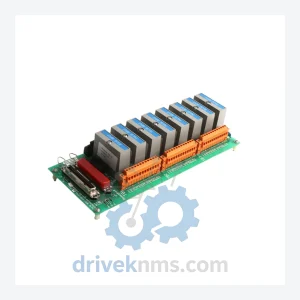
Honeywell MC-TPIX12 51304084-175 is listed for Series TotalPlant RFQ review. Confirm quantity, condition and destination before quotation.
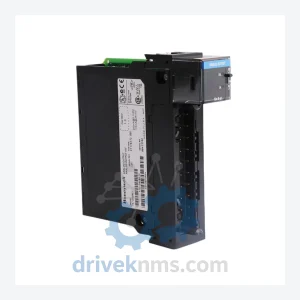
Honeywell TK-OAV061 is listed for PLC Modules RFQ review. Confirm quantity, condition and destination before quotation.