
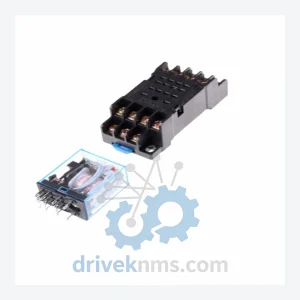
Omron MY4NJ
Omron MY4NJ is listed for Controller Cards RFQ review. Confirm quantity, condition and destination before quotation.
RFQ-ready industrial model
Model: MY2N-J 24VDC 2-M4X10 PYF08A-E
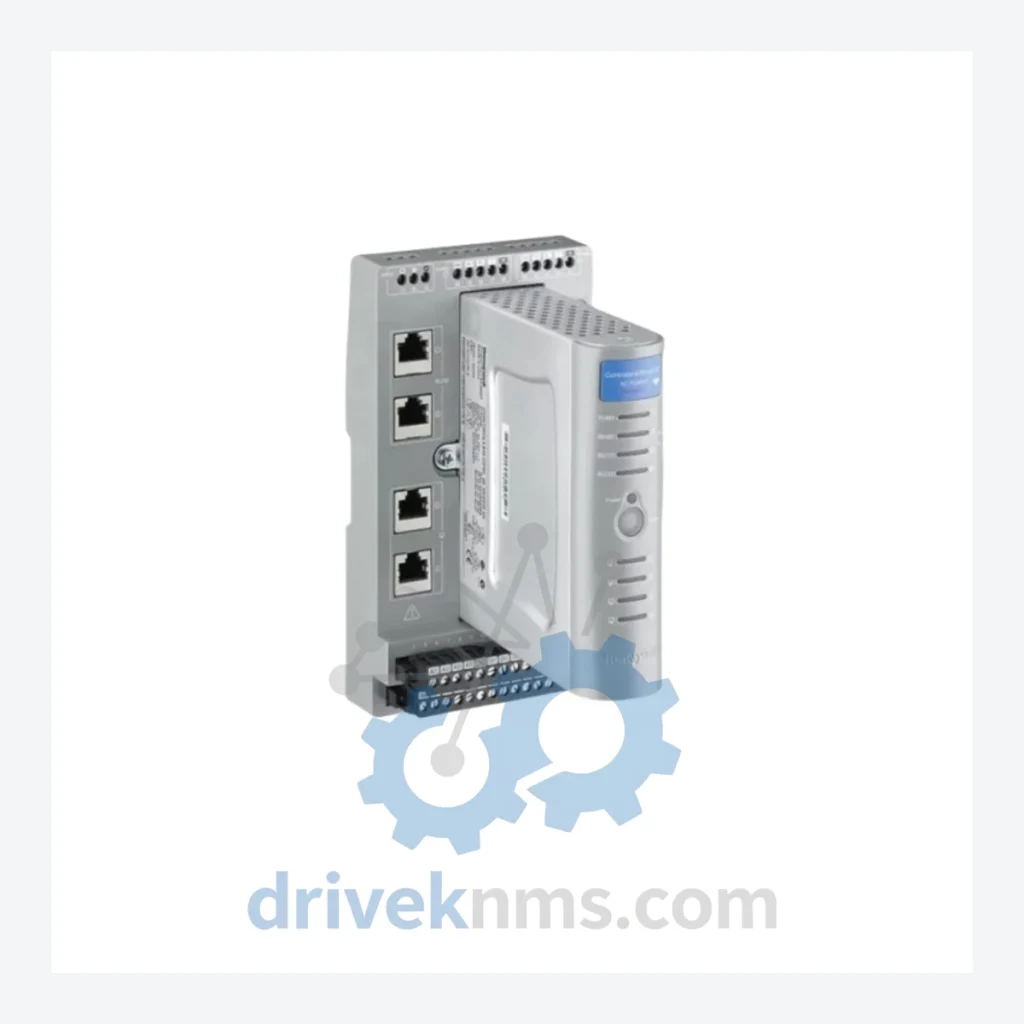
Product Overview
Commercial availability is handled through direct RFQ, model verification and export-oriented follow-up rather than public cart checkout.
Datasheet Preview
Use attached product manuals when available. If the manual is not public yet, request the full file directly through RFQ.
Commercial Path
Product pages on DRIVEKNMS are designed to verify model, brand and series first, then move the buyer into one clean quotation path.
Technical Dossier
RFQ support for obsolete parts: Send the model number, required quantity and destination so DriveKNMS can confirm sourcing options before quotation.
| Parameter | Value |
|---|---|
| Manufacturer | OMRON |
| Part Number | MY2N-J 24VDC |
| Socket | PYF08A-E (8-pin, DIN rail mount) |
| Relay Type | General Purpose Miniature Relay, DPDT (2-pole double throw) |
| Coil Voltage | 24V DC |
| Contact Configuration | 2NO + 2NC (DPDT) |
| Mounting | DIN Rail via PYF08A-E socket |
| Series | MY2N (Obsolete / End-of-Life) |
| Country of Origin | Japan |
| Product Status | Discontinued – No longer in active OMRON production |
Factory management facing system retirement pressure from corporate finance or OEM end-of-support notices often underestimate the viable lifespan of well-maintained legacy automation. A control system that is mechanically sound, electrically stable, and supported by an adequate spare parts inventory can operate reliably for a decade beyond its nominal end-of-life date. The following approach has been applied successfully across multiple facilities managing aging OMRON, Siemens, and Allen-Bradley infrastructure:
2. Consumption Rate Analysis: Review maintenance records for the past three to five years. Calculate average annual consumption per part number. For a facility running two shifts with moderate relay cycling, a buffer of six to twelve MY2N-J units per panel is a defensible minimum.
5. Documentation and Traceability: Maintain a spare parts register with part numbers, quantities on hand, storage location, and procurement source. For obsolete parts, source documentation is critical for audit and insurance purposes.
Every OMRON MY2N-J 24VDC unit shipped by DriveKNMS passes a five-stage inspection protocol before dispatch:
Q: How are RFQ terms confirmed?
A: Quantity, required condition, documentation needs, destination and sourcing route are confirmed during RFQ review before quotation.
Step 2 – Electrolytic Capacitor Assessment: Internal capacitors in aged relay coil suppression circuits are inspected for signs of bulging, leakage, or electrolyte residue. Units showing capacitor degradation are quarantined.
Step 3 – Coil Resistance Measurement: DC coil resistance is measured and compared against published OMRON specifications. Out-of-tolerance units are rejected.
Step 4 – Contact Continuity and Isolation Test: Each contact set (NO and NC) is tested for continuity in the energized and de-energized state. Contact-to-contact isolation resistance is verified.
Step 5 – Pin Corrosion and Socket Fit Check: Relay pins are inspected under magnification for oxidation or corrosion. Each unit is test-fitted into a PYF08A-E socket to confirm correct engagement and extraction force.
Units that pass all five stages are individually bagged, labeled with inspection date and technician ID, and stored in a humidity-controlled environment pending shipment.
Q: How should obsolete spare parts be stored long-term?
A: Electromechanical relays should be stored in sealed packaging in a dry environment at 15–35°C with relative humidity below 75%, non-condensing. Avoid storage near strong magnetic fields or corrosive atmospheres. Under these conditions, shelf life for NOS units is typically five to ten years from manufacture date.
Continue The Model Path
Move from this exact model into the matching system hub, brand archive, model-family archive or lifecycle sourcing route before sending a final RFQ list.
Related Paths
Omron MY4NJ is listed for Controller Cards RFQ review. Confirm quantity, condition and destination before quotation.
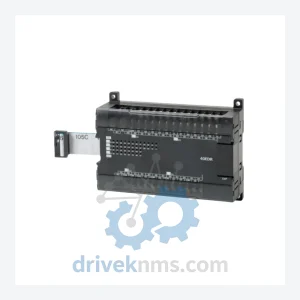
Omron CP1W-40EDT1 is listed for CJ/CP Series RFQ review. Confirm quantity, condition and destination before quotation.
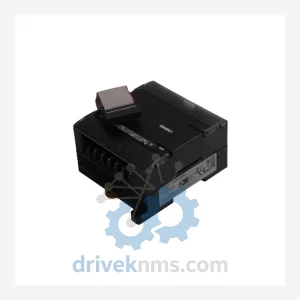
Omron CP1W-DA041 is listed for CP1W Series RFQ review. Confirm quantity, condition and destination before quotation.