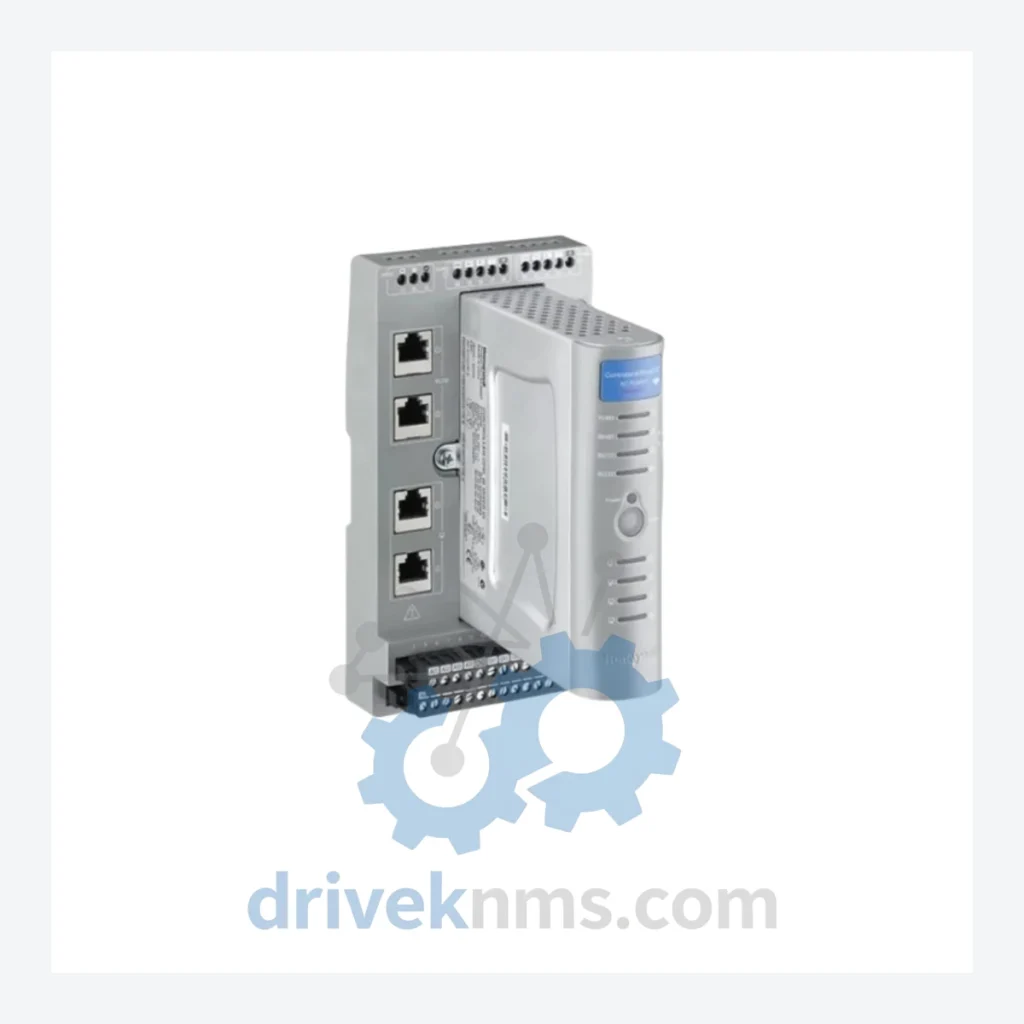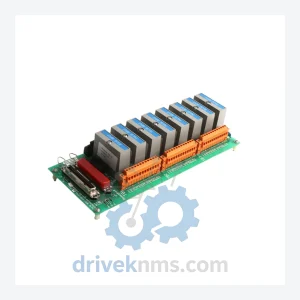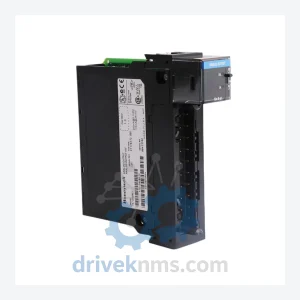
Honeywell XC Series Modules | XC5010C CPU Module
Honeywell XC Series: Comprehensive Module Range and Technical Overview The Honeywell XC Series represents a core control platform deployed across…
Model: SP-EBLDR1
Product Overview
Commercial availability is handled through direct RFQ, model verification and export-oriented follow-up rather than public cart checkout.
Datasheet Preview
Use attached product manuals when available. If the manual is not public yet, request the full file directly through RFQ.
Commercial Path
Product pages on DRIVEKNMS are designed to verify model, brand and series first, then move the buyer into one clean quotation path.
Technical Dossier
The Honeywell Safety Manager SP Series is a dedicated Safety Instrumented System (SIS) platform engineered to IEC 61508 SIL 2/3 standards. It is deployed across the most demanding process industries globally, including petrochemical complexes, LNG terminals, nuclear power facilities, offshore platforms, and continuous refinery operations. The SP Series functions as the primary safety logic solver in Safety Instrumented Functions (SIFs), replacing legacy relay-based and first-generation programmable safety systems. Its modular backplane architecture allows engineers to configure redundant CPU, I/O, and communication layers within a single chassis, minimizing footprint while maintaining full fault tolerance. Installed base spans hundreds of sites across North America, Europe, the Middle East, and Asia-Pacific, making long-term spare parts availability a critical operational requirement for plant integrity teams.
The Honeywell Safety Manager platform evolved from the earlier FSC (Fail Safe Controller) system, which itself succeeded relay-based safety logic in the 1980s and 1990s. The SP Series introduced a new generation of modular I/O with a high-speed deterministic backplane bus, replacing the FSC's parallel wiring architecture. Early SP deployments used single-processor configurations; subsequent revisions introduced dual-redundant CPU modules (1oo2D voting logic) and hot-standby communication adapters. The platform transitioned through several firmware generations, each maintaining backward compatibility with existing I/O modules to protect installed-base investments. As the SP Series has entered its mature lifecycle phase, Honeywell has positioned the Safety Manager SC (SMC) as the forward migration path. However, the SP Series remains in active service at thousands of sites, and OEM spare parts production has been reduced or discontinued for many module types, creating a sustained demand for certified refurbished and new-old-stock (NOS) components. Compatibility between SP Series modules requires matching backplane revision levels and firmware versions; cross-generation substitution must be validated against the site's Safety Requirements Specification (SRS).
CPU & Controller Modules
Analog Input (AI) Modules
Digital Input (DI) Modules
Digital Output (DO) Modules
Communication & Network Modules
Power Supply Modules
SP Series modules incorporate a high-speed deterministic backplane bus and dual-ported memory architecture that requires specialized test procedures beyond standard functional checks. DriveKNMS applies the following verification protocol to all SP Series units: (1) Visual inspection for backplane connector pin integrity, capacitor condition, and conformal coating status; (2) Powered bench test using a reference SP chassis to verify module self-diagnostics and LED status codes; (3) Communication bus verification confirming correct module addressing and backplane enumeration; (4) For CPU modules (SP-EBLDR1, SP-EBLDR2), firmware version identification and memory integrity check; (5) For analog I/O modules, calibration verification against NIST-traceable reference signals at 0%, 25%, 50%, 75%, and 100% of rated range; (6) For digital output modules, load test at rated current with readback diagnostic confirmation; (7) Final burn-in cycle of minimum 24 hours under simulated field load conditions. Units that do not pass all stages are quarantined and not offered for sale. Test records are retained and available upon request for customer quality documentation requirements.