
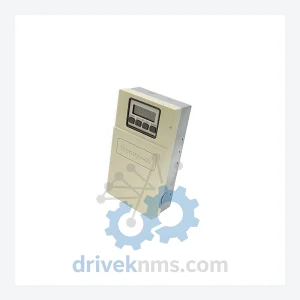
Honeywell T775E1056 Process Controller – T775 Series
Honeywell T775E1056 is listed for T775 Series RFQ review. Confirm quantity, condition and destination before quotation.
RFQ-ready industrial model
Model: SZL-WL-ABCDEFGHJK
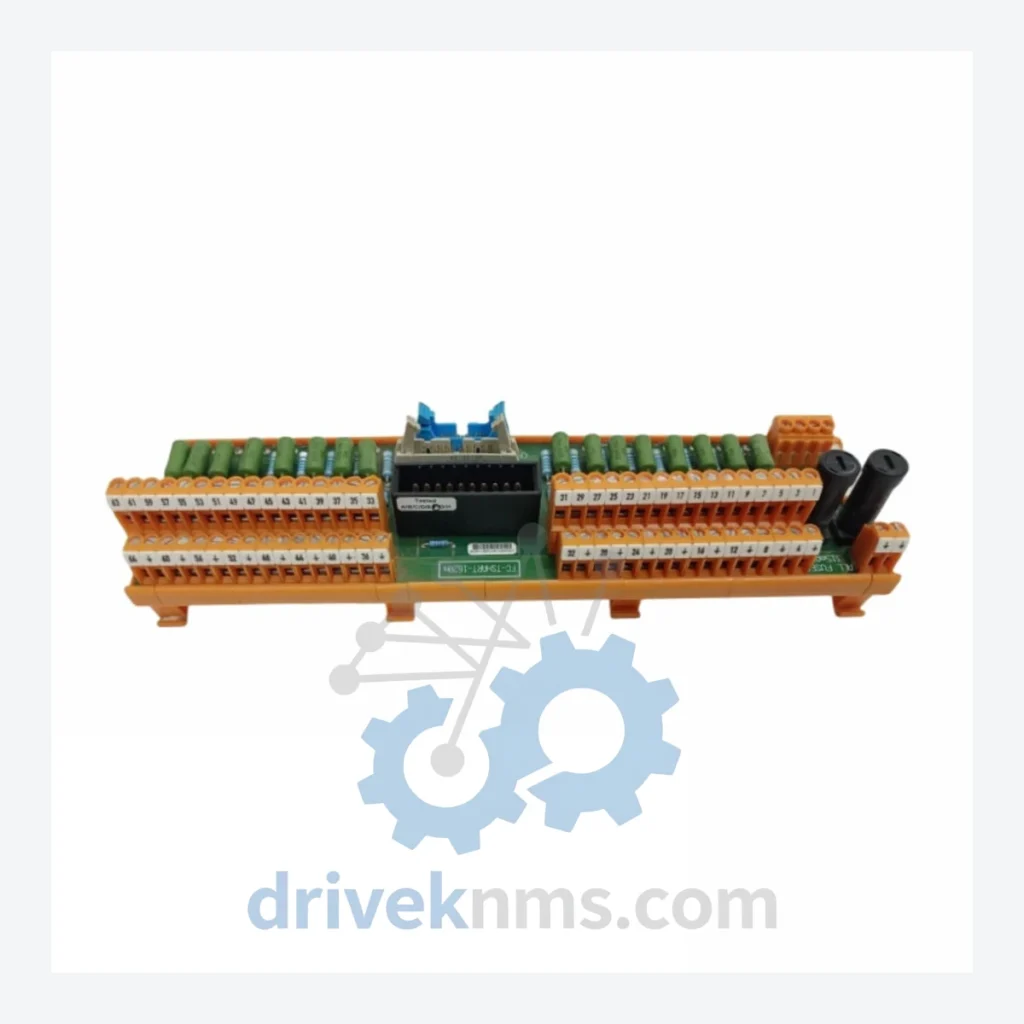
Product Overview
Commercial availability is handled through direct RFQ, model verification and export-oriented follow-up rather than public cart checkout.
Datasheet Preview
Use attached product manuals when available. If the manual is not public yet, request the full file directly through RFQ.
Commercial Path
Product pages on DRIVEKNMS are designed to verify model, brand and series first, then move the buyer into one clean quotation path.
Technical Dossier
RFQ support for obsolete parts: Send the model number, required quantity and destination so DriveKNMS can confirm sourcing options before quotation.
Note: Electrical parameters specific to this module variant are not published in open documentation. DriveKNMS will provide verified datasheet references upon inquiry. No parameters are assumed or fabricated.
The SZL-WL series was deployed across a broad range of industrial and building automation applications during its production lifecycle. Control architectures built around this platform were engineered for decade-long service intervals, and many installations remain operational today — not because replacement is impossible, but because the cost and risk of replacement are prohibitive.
The analog input module occupies a critical position in the signal chain: it is the interface between field instrumentation — thermocouples, RTDs, pressure transmitters, flow sensors — and the control processor. A failure at this point does not degrade system performance gradually; it causes an immediate and hard loss of process visibility. In regulated industries, this triggers mandatory shutdown protocols.
For plant managers operating under capital expenditure constraints, the calculus is straightforward. A verified replacement module at a fraction of the cost of system migration buys 5 to 10 additional years of productive asset life. That window is sufficient to plan an orderly, budgeted transition rather than an emergency one. The SZL-WL-ABCDEFGHJK is not a workaround — it is a legitimate asset protection strategy.
Every SZL-WL-ABCDEFGHJK unit processed by DriveKNMS passes a structured 5-step quality assurance protocol before it is offered for sale:
How do I confirm the unit is genuine and not counterfeit?
All units are sourced through documented supply channels. Upon request, DriveKNMS provides traceability records including source documentation and QA inspection reports. We do not source from unverified secondary markets.
Should I purchase more than one unit?
For any control system where this module is a single point of failure, maintaining a minimum of two spare units is the standard recommendation. The cost of a second unit is negligible relative to the cost of an unplanned outage while sourcing under emergency conditions.
Continue The Model Path
Move from this exact model into the matching system hub, brand archive, model-family archive or lifecycle sourcing route before sending a final RFQ list.
Related Paths
Honeywell T775E1056 is listed for T775 Series RFQ review. Confirm quantity, condition and destination before quotation.
Honeywell MC-TPIX12 51304084-175 is listed for Series TotalPlant RFQ review. Confirm quantity, condition and destination before quotation.
Honeywell TK-OAV061 is listed for PLC Modules RFQ review. Confirm quantity, condition and destination before quotation.